






The Buffet is Losing its Allure
There was a time when the ideal vacation was synonymous with an all-inclusive resort package. The promise was simple: a comfortable room, a pristine pool, and a sprawling buffet with familiar, safe options. While that model still has its place, a significant
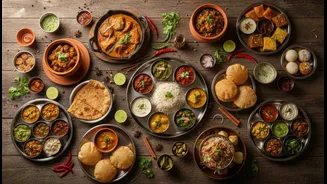
shift is underway. Today’s travellers, particularly those between their 20s and 40s, are looking past the standardised menu and seeking something more. They are driven by a hunger for experiences that feel real and connected to the place they are visiting. Recent data from travel platforms highlights this evolution, with one report from July 2026 indicating that nearly 40% of Indian travellers now consider a destination's local cuisine a major factor when planning a trip. Food-led travel requests have reportedly grown by approximately 35% year-on-year, signalling a powerful appetite for holidays centred on local flavours.
A Search for Authentic Connection
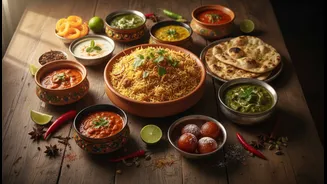
What’s behind this change? It’s a quest for authenticity. In a world of globalised chains and filtered perfection, travellers are craving genuine connection. Food is one of the most direct pathways to the heart of a culture. Sharing a meal, learning a local recipe, or walking through a bustling food market offers a window into the daily life, history, and traditions of a destination that a tourist landmark cannot. It’s the difference between observing a place from a distance and actively participating in it. This desire for immersion is transforming holidays from passive relaxation into active exploration. Experts note that luxury is also being redefined; it's less about opulence and more about access to unique, meaningful experiences that create lasting stories. A cooking class in a Keralan homestay or learning to make momos with a family in the Himalayas provides a narrative that a five-star hotel dinner often lacks.
From Farm Stays to Food Trails
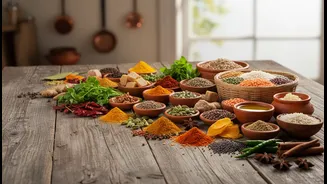
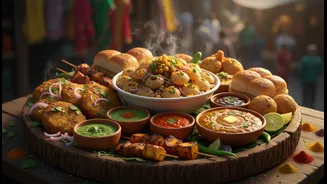
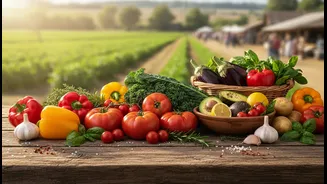
This trend is giving rise to a vibrant ecosystem of culinary experiences across India. Agritourism is booming, with travellers flocking to farm stays where they can participate in harvesting, enjoy organic farm-to-table meals, and live a simpler way of life. States like Maharashtra are pioneering this with vineyard tours and rural farm getaways, while Kerala’s spice plantations and Punjab's farm-to-fork hospitality offer deep dives into regional agriculture. Beyond the farm, curated food trails are becoming increasingly popular. Imagine guided walks through the street food havens of Old Delhi or Lucknow, discovering culinary secrets passed down through generations. These experiences are not just for dedicated foodies. Families are incorporating chocolate-making workshops and market visits into their itineraries, while honeymooners are opting for private vineyard lunches and exclusive chef’s table dinners.
The Instagram Effect
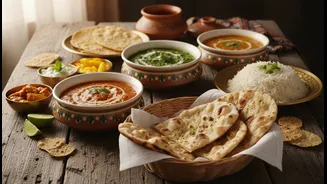
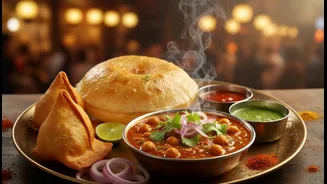
It’s impossible to ignore the role of social media in fuelling this movement. A picture of a unique, colourful local dish is far more compelling on an Instagram feed than another photo of a hotel swimming pool. Platforms like Instagram have become powerful tools for destination discovery, with food bloggers and travel influencers showcasing hidden gems and inspiring their followers to embark on their own culinary journeys. For many younger travellers, the ‘shareability’ of an experience is part of its value. This digital word-of-mouth has put lesser-known regional cuisines on the map and created a sense of adventure around trying new things. This visual storytelling helps travellers connect with food on an emotional level before they even book their trip, building anticipation and shaping their itinerary around key culinary moments.
More Than Just a Meal
Ultimately, the rise of food-centric travel is about more than just eating. It's about a more conscious and engaged way of seeing the world. Choosing to eat at local establishments directly supports small businesses and community economies. Engaging with agritourism helps preserve agricultural heritage and provides diversified income for farmers. Every food tour, cooking class, and farm stay is an investment in the cultural fabric of a place. It's a recognition that food is a story—of history, climate, migration, and community. By seeking out these stories, travellers are not just feeding themselves; they are enriching their understanding of the world and forging connections that last long after the plates are cleared.