




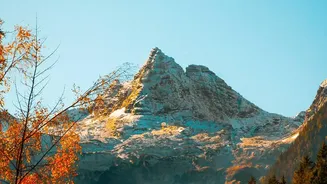

The Golden Window of Autumn
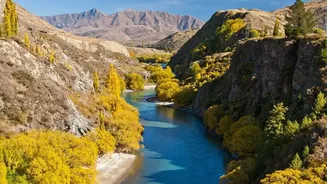
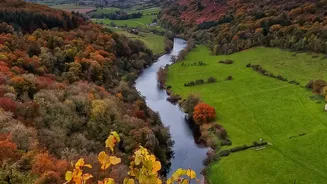
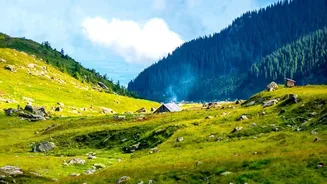
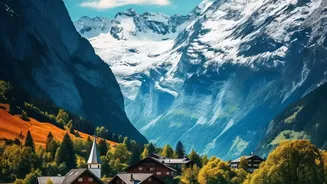
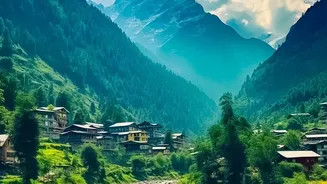
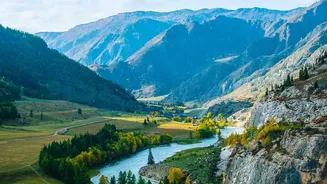
While many parts of the Himalayas prepare for winter's chill, the months of October and November transform Tirthan Valley and Shoja into a visual masterpiece. This is the 'golden window,' when the monsoon has washed the landscape clean, leaving behind
crisp, clear air and brilliant blue skies. The forests, rich with deodar, pine, and oak, shed their summer greens for breathtaking hues of gold, amber, and rustic red. The weather is exceptionally pleasant, with daytime temperatures hovering between 12°C and 20°C, making it ideal for exploring the outdoors without the biting cold of winter or the humidity of summer.
Tirthan Valley: A Riverside Sanctuary
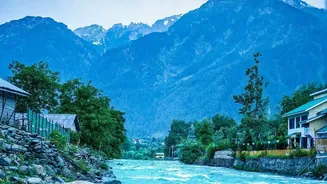
Named after the pristine Tirthan River that flows through it, the valley is a designated eco-zone and the gateway to the Great Himalayan National Park (GHNP), a UNESCO World Heritage Site. Unlike commercialised tourist spots, Tirthan is defined by its tranquillity. Life here moves at a slower pace, centered around charming riverside homestays where the sound of flowing water is your constant companion. Autumn is the perfect season for trout fishing, as the river runs clear and calm. You can spend your days on leisurely nature walks, discovering hidden waterfalls like the Chhoie Waterfall, or simply finding a spot by the river to read a book.
Shoja: The Quiet Hamlet with Grand Views
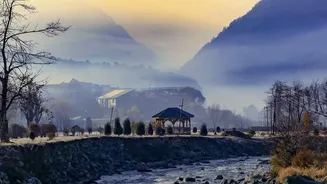
Perched at a higher altitude of about 2,700 metres, Shoja is a small, serene village that offers a profound sense of peace. Quieter even than Tirthan, it is the ideal base for those who want silence and proximity to high-altitude trails. The main draw here is the proximity to Jalori Pass, a stunning mountain pass at over 10,000 feet. In autumn, the drive to the pass is spectacular, offering panoramic views of snow-capped peaks against the clear sky. From the pass, you can embark on two highly rewarding day treks: one to Serolsar Lake, a sacred and serene body of water surrounded by dense forest, and another to the ruins of Raghupur Fort, which provides a 360-degree view of the surrounding ranges.
An Escape from the Crowds
Perhaps the most compelling reason to choose Tirthan and Shoja is the absence of overwhelming tourist crowds that plague destinations like Manali and Shimla. The region's focus on eco-tourism and homestays instead of large resorts has helped preserve its authentic charm. This means you can experience the local Himachali culture more intimately, enjoying home-cooked meals like Siddu and Madra and engaging with warm, welcoming hosts. The unhurried pace allows you to truly disconnect from the chaos of city life and reconnect with nature in a quiet, meaningful way.
Planning Your Autumn Trip
Reaching Tirthan Valley and Shoja is relatively straightforward. The most common route is an overnight bus from Delhi to Aut, a small town on the Kullu-Manali highway, which takes about 12 hours. From Aut, it's a 1-2 hour taxi ride into the valley. For accommodation, the region is known for its cosy homestays and guesthouses, many of which are situated right by the river in villages like Gushaini and Nagini. It is advisable to book in advance, especially during the peak autumn season. Pack in layers, with light woollens for the day and a heavier jacket for the chilly evenings and early mornings.