
Start with Smart Hydration and Fruits
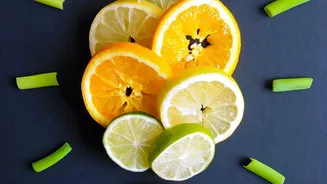
One of the most common mistakes during fasting is overlooking hydration, which can lead to fatigue and headaches. Start your day with water, coconut water, or homemade nimbu pani (with rock salt) to replenish electrolytes. Incorporating a variety of seasonal
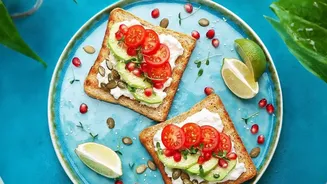
fruits like bananas, apples, and pomegranates provides natural sugars for energy, essential vitamins, and fibre. A simple fruit chaat, combining chopped fruits with a sprinkle of sendha namak and roasted cumin, can be a refreshing and energising start to your day or a light meal.
Embrace Wholesome Vrat Flours
While regular wheat is avoided, Sawan fasting opens the door to a variety of nutritious flours. Kuttu (buckwheat), singhara (water chestnut), and rajgira (amaranth) are excellent alternatives. These flours are gluten-free and provide sustained energy. Instead of deep-frying pooris, try making cheelas (pancakes) from singhara flour or soft parathas from rajgira flour. These can be paired with a simple yogurt dip or a light potato curry, offering a balanced meal that is both traditional and healthy.
Prioritise Protein-Rich Foods
Many traditional fasting meals can be high in carbohydrates, but including protein is crucial for staying full and maintaining muscle health. Paneer, nuts, seeds, and yogurt are fantastic protein sources permitted during Sawan vrat. Grilled paneer tikka (made without restricted spices), a handful of roasted peanuts, or a bowl of creamy Greek yogurt can make your meals more satisfying. Adding roasted and crushed peanuts to sabudana khichdi not only adds a delightful crunch but also boosts its protein content.
Snack Smartly, Not Sparingly
Fasting doesn't mean you have to endure hunger pangs between meals. The key is to choose smart snacks. Roasted makhana (fox nuts) are a brilliant choice; they are low in calories and a good source of protein and calcium. A trail mix of dry fruits like almonds, walnuts, and raisins can provide an instant energy boost. Sweet potato, or shakarkandi, is another excellent option. Boiled and cubed sweet potato, made into a simple chaat, offers fibre and slow-releasing carbohydrates to keep you full longer.
Rethink Your Sabzi and Staples
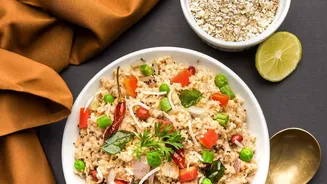
Vegetables like lauki (bottle gourd), pumpkin, and potatoes form the base of many vrat meals. Instead of heavy, fried preparations, opt for lighter versions. Lauki can be made into a simple sabzi, a cooling raita, or even a halwa with minimal ghee and a natural sweetener. When preparing the classic aloo jeera, try tossing boiled potatoes in ghee rather than deep-frying them. For a rice substitute, samak rice (barnyard millet) is a light and digestible option that can be prepared as a pulao with vegetables.
Indulge in Guilt-Free Desserts
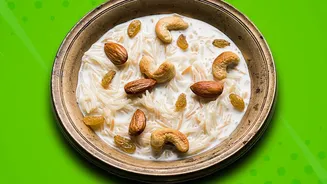
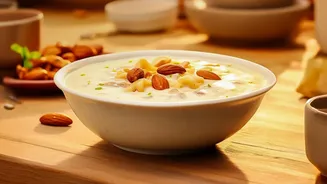
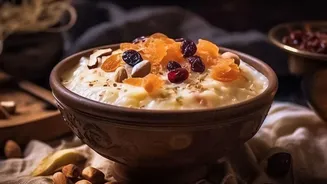
A sweet craving during a fast is natural. Instead of reaching for sugar-laden sweets, there are healthier ways to indulge. Makhana kheer, made by simmering roasted fox nuts in milk with cardamom and nuts, is a comforting and nutritious dessert. Peanut ladoos, made by mixing roasted ground peanuts with jaggery (if your tradition permits), offer a bite-sized treat packed with protein and healthy fats. A simple bowl of yogurt with chopped fruits and a drizzle of honey can also be a delicious and satisfying end to a meal.