
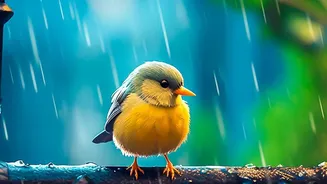


Why Go Wild in the Wet Season?
While many of India's core national park zones close from July to September for safety and to allow for the animal breeding season, the adventure doesn't stop. Several parks keep their buffer zones or specific gates open, offering a unique safari experience.
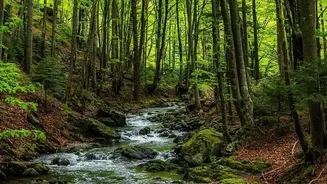
The monsoon transforms arid landscapes into emerald paradises. Waterholes are full, waterfalls cascade through the hills, and the forest feels rejuvenated. This season also means fewer tourists, resulting in a more serene and personal encounter with nature. While animal spotting can be more challenging with the dense foliage, the trade-off is a breathtakingly beautiful environment and the chance to see wildlife behaviour unique to this time of year. The atmosphere is misty, photogenic, and offers a peaceful alternative to the usual safari rush.
Ranthambore, Rajasthan: A Royal Welcome in the Rains
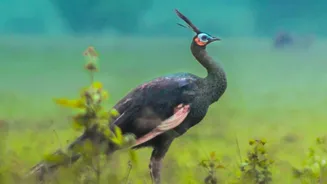
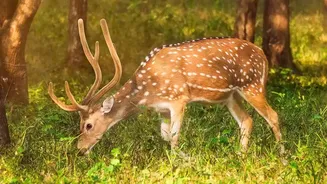
Famed for its tigers, Ranthambore National Park doesn't completely shut down for the rains. While the popular core zones 1-5 are closed, a significant portion of the park remains accessible. Safari zones 6 through 10 stay open for visitors, offering a chance to explore the park's rugged terrain against a backdrop of dramatic, rain-filled skies. These zones, located in the outer and buffer areas, become incredibly scenic, with lush grasslands and flowing streams. Though tiger sightings might require more patience, the park's other inhabitants, like sambar deer, sloth bears, and a variety of water birds, are often more active. The ancient Ranthambore Fort, shrouded in mist, adds a historical mystique to the verdant landscape, making for an unforgettable August trip.
Tadoba-Andhari, Maharashtra: Tiger Sightings Amidst Greenery
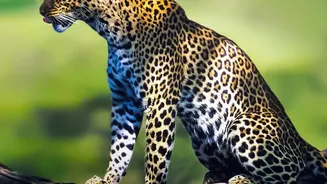
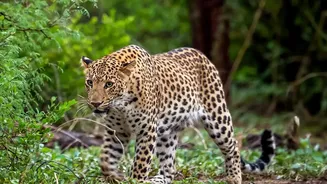
Tadoba-Andhari Tiger Reserve in Maharashtra is one of the few parks where the safari season truly continues through the monsoon. While its core areas also close, the buffer zones remain open and are known for rewarding wildlife sightings. In fact, some guides suggest the monsoon can be a surprisingly good time for spotting tigers, as they may prefer walking on the firmer safari tracks rather than navigating the waterlogged undergrowth. The park, named after the local deity 'Taru' and the Andhari river, becomes a lush expanse of bamboo and teak groves. Besides tigers, you have a good chance of spotting leopards, wild dogs, and gaur. It provides a premier safari experience without the peak season crowds.
Jim Corbett, Uttarakhand: The Oldest Park's Fresh Look
India's oldest national park, Jim Corbett, offers a different kind of charm during the monsoon months. While core zones like Dhikala are inaccessible, several buffer zones including Jhirna, Dhela, Garjiya, and Sitabani remain open for jeep safaris. A trip here in August is less about chasing tiger sightings and more about soaking in the magnificent, rain-washed Himalayan foothills and dense Sal forests. The Kosi River flows with renewed vigour, and some operators even offer river rafting, an activity only possible during this season. The landscape turns into a vibrant green paradise, the air is fresh, and the experience is about peaceful immersion in nature away from the tourist rush.
Periyar, Kerala: A Year-Round Southern Gem
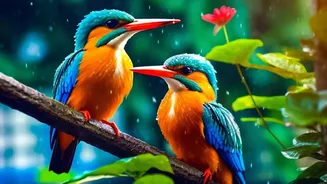
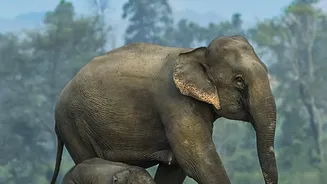
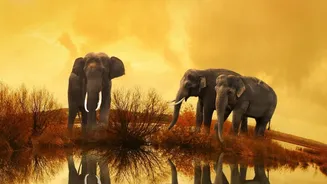
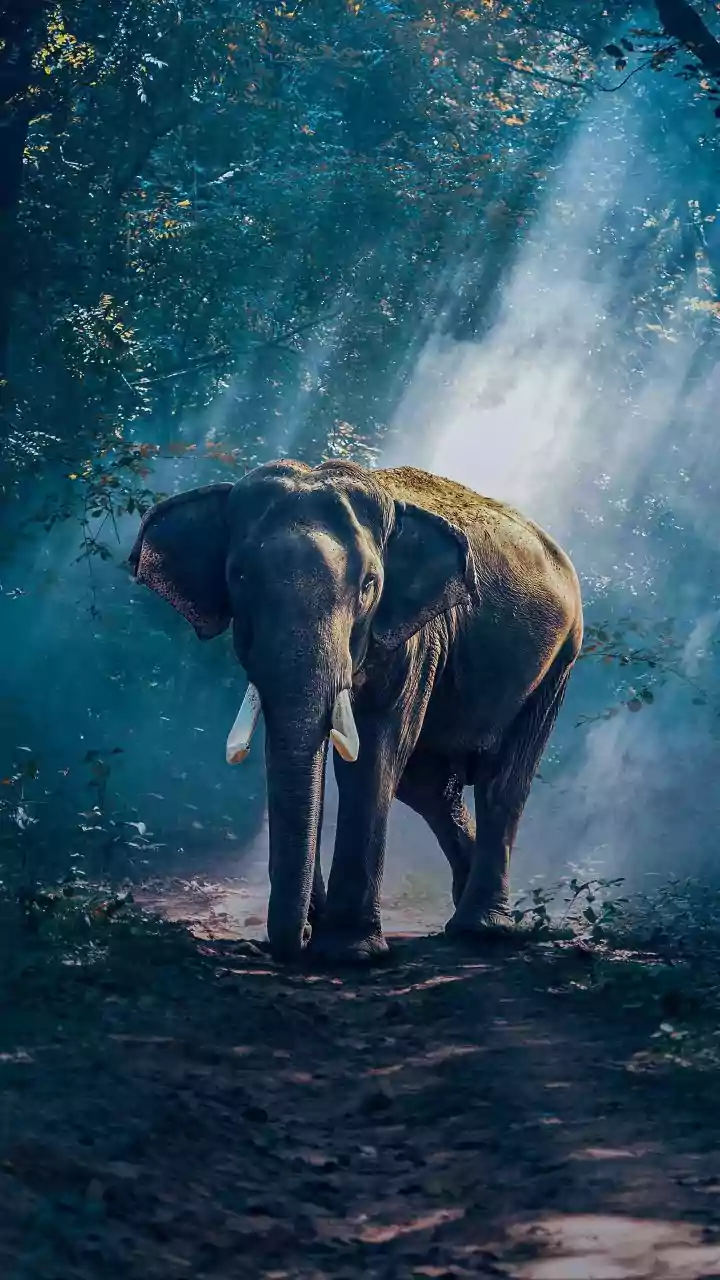
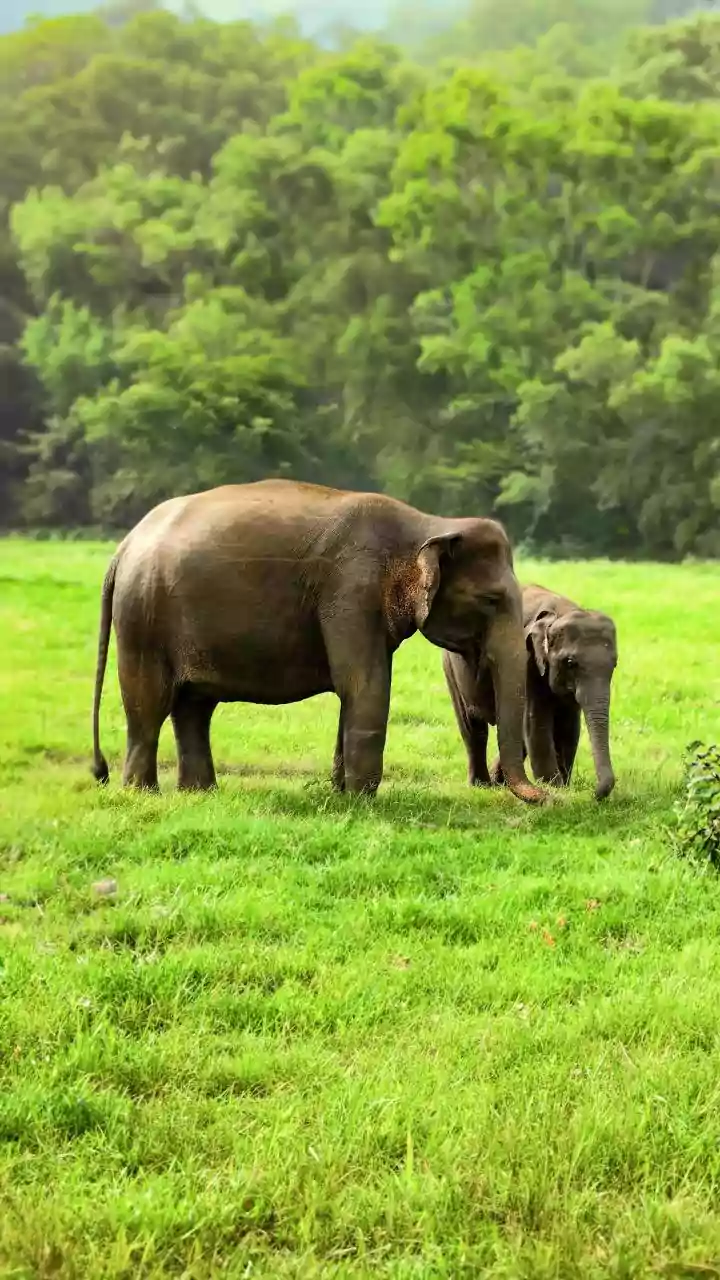
In the south, Periyar National Park in Kerala is a fantastic year-round destination that truly shines during the monsoon. The park's signature experience is a boat safari on the expansive Periyar Lake, which is particularly enchanting when surrounded by mist-covered hills. The rains transform the region into an emerald landscape, and it's a prime time to see herds of elephants, a key attraction of the sanctuary. The park remains open throughout the monsoon, and boat trips offer a unique vantage point for spotting wildlife along the shores without contending with dry-season crowds. Besides elephants, you might see sambar, gaur (Indian bison), and a rich diversity of birdlife.