
Your Freezer: A Low-Waste Superpower
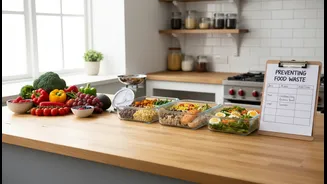
Every year, households throw away a staggering amount of perfectly good food. This isn't just a waste of food, but also a waste of money, with the average household potentially saving over $1,500 annually by cutting down. Freezing is a simple yet effective
strategy to combat this. It acts like a pause button, halting the natural decay of food by slowing down enzyme activity and spoilage. By preserving everything from leftovers to bulk purchases and surplus produce before it has a chance to spoil, you extend its life significantly, ensuring it ends up on your plate instead of in a landfill.
The Surprising A-List of Freezable Foods
Most people know you can freeze meat, bread, and leftovers, but your freezer's potential is much bigger. Many common kitchen staples freeze beautifully, saving you from last-minute waste. You can freeze milk in its container (just pour a little out first to allow for expansion). Hard cheeses can be grated and frozen, ready to be sprinkled on future meals. You can even freeze eggs—simply crack them into a container and beat them first. Fresh herbs can be chopped and frozen in ice cube trays with a bit of water or oil for perfectly portioned flavour bombs. Even items like ginger root, garlic, and nuts freeze well, preserving their freshness for whenever you need them.
How to Freeze Like a Pro
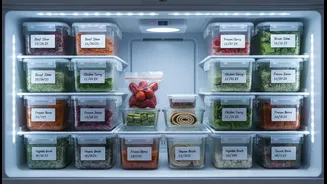
Proper technique is key to maintaining the quality of your frozen food. The main goal is to minimize exposure to air, which causes freezer burn—those icy, dried-out patches that ruin texture and flavour. Always let hot food cool completely before freezing; putting warm items in the freezer can raise the internal temperature, causing other foods to partially thaw and refreeze. Use airtight containers or heavy-duty freezer bags, removing as much air as possible before sealing. Portioning food into smaller, meal-sized amounts makes thawing quicker and prevents waste later on. Finally, always label and date everything. This helps you keep your freezer organized and ensures you use the oldest items first.
The No-Fly Zone: What Not to Freeze
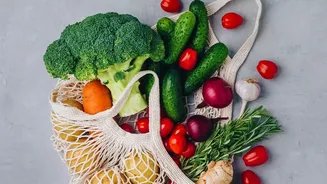
While the freezer is versatile, it's not suitable for everything. Foods with a very high water content tend to suffer the most. When frozen, the water forms ice crystals that rupture the food's cellular structure. Upon thawing, these items often become mushy and unpalatable. This list includes vegetables like cucumbers, lettuce, and raw tomatoes. While a frozen tomato might be fine for a cooked sauce, it won't work in a fresh salad. Dairy products like yogurt, cream cheese, and soft cheeses can also turn grainy and separate when thawed. Similarly, mayonnaise-based sauces and dressings will break and become unusable.
From Frozen to Feast: Using Your Stash
A freezer full of food is only useful if you remember to use it. Try to incorporate frozen items into your weekly meal planning. Frozen fruits and blanched vegetables are perfect for smoothies, soups, and stir-fries. Leftover chili or stew frozen in individual portions makes for a quick and easy weeknight dinner. For best quality, most foods should be consumed within 8 to 12 months. When it's time to eat, thaw food safely in the refrigerator, under cold running water, or in the microwave—never on the counter at room temperature, which can encourage bacterial growth.