






Planning an international trip? The excitement can turn to frustration thanks to a maze of confusing entry rules. The global airline body, IATA, now warns this complexity is actively hurting the recovery of world travel and the global economy.
A Growing Barrier to Travel
The International
Air Transport Association (IATA), which represents the world's major airlines, has issued a stark warning: overly complex and inconsistent border entry rules are a significant drag on the aviation industry's recovery. According to IATA's 2026 Global Passenger Survey, a staggering 43% of travellers have been discouraged from visiting a destination specifically because of difficult immigration requirements, a sharp increase from 33% in 2025. The core of the problem, IATA says, is not a single rule but a 'patchwork' of regulations that differ from country to country. This creates confusion for passengers and adds operational burdens for airlines, who are often tasked with enforcing these varied rules at check-in and boarding gates. The result is longer queues, higher stress levels for passengers, and an increased risk of being denied travel due to minor administrative errors.
The Passenger Penalty
For travellers, the consequences of this regulatory tangle are frustratingly tangible. Imagine researching entry requirements for a multi-country trip, only to find that one nation requires a specific digital app, another demands a paper form filled out no more than 48 hours in advance, and a third has vague or conflicting information online. This scenario has become commonplace. The IATA survey revealed that for passengers who were put off by entry rules, the primary reason was the sheer complexity of the process (53%), far outweighing concerns about cost or data privacy (17% each). This friction directly impacts the customer experience, turning what should be an exciting journey into a stressful administrative task. The fear of making a mistake and being deemed an 'inadmissible passenger' upon arrival is a powerful deterrent, causing some to postpone or cancel their plans altogether.
A Call for Digital Simplification
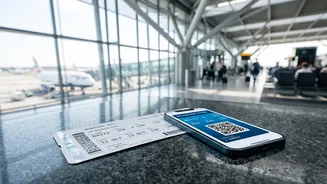
While the problem is complex, IATA argues the solution lies in technology that passengers are already eager to adopt. A massive 86% of travellers say they are willing to share immigration information digitally before their trip to speed up the process. Furthermore, the survey found overwhelming interest in digital passports and biometric identification. Around 84% of passengers are interested in using a digital passport for check-in, and 78% would share biometric data if it meant a smoother, more seamless airport experience without constantly presenting documents. IATA is urging governments to work together to create a harmonized system based on digital solutions. This includes accelerating the adoption of secure digital travel credentials and creating common standards for eVisas. While over 100 countries currently issue eVisas, the lack of a standardized verification process limits their effectiveness.
The View from India
For the millions of Indians travelling abroad for business, leisure, and to visit family, these global issues have a direct local impact. Travellers from the Asia-Pacific region are among the most likely to be discouraged by complex entry requirements, with 49% reporting this as a barrier. The confusion over varying international rules can add significant stress and uncertainty when planning trips from cities like Mumbai, Delhi, or Bengaluru. A simplified, digital-first approach would not only ease the burden on passengers but also support India's growing aviation market. As more Indians connect to global destinations, the need for a predictable and userfriendly international travel system becomes more critical. Harmonized rules would mean less time spent deciphering regulations and more time focusing on the purpose of the trip, benefiting everyone from solo business travellers to large families on vacation.