



Beyond the Fizz and Sugar
Let’s be honest: most modern cold drinks are little more than carbonated water, sugar, and a cocktail of artificial flavours and colours. They offer a momentary rush but often leave you feeling even thirstier, not to mention the health implications of their
high sugar content. Traditional Indian sherbets, on the other hand, are a different universe. Crafted from real fruits, flowers, herbs, and spices, these drinks were designed not just for taste but for function. They are deeply rooted in Ayurvedic principles and local wisdom, created to hydrate, replenish, and genuinely cool the body from the inside out. Choosing a sherbet isn't just a nostalgic indulgence; it's a conscious decision for a healthier, more effective way to tackle the Indian summer.
A Sip of History
The word ‘sharbat’ has Persian origins, derived from ‘sharbat,’ meaning a drink of sugar and water. The concept travelled to India and was enthusiastically adopted, particularly during the Mughal era. Emperors were known to have their own personal sherbet-makers, who concocted exquisite blends using exotic fruits and fragrant flowers like rose and jasmine. But the tradition is even older than that. Ancient Indian texts on Ayurveda detail various preparations (or ‘panakas’) designed to balance the body’s humours, especially during the hot ‘pitta’ season. These weren't just drinks; they were medicinal potions, carefully formulated with seasonal ingredients to combat heatstroke, aid digestion, and boost vitality. Each region developed its own unique recipes based on local flora, creating a rich and diverse beverage culture that we are only now beginning to fully appreciate again.
The Wisdom in the Ingredients
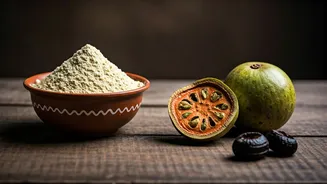
What makes these drinks so ‘smart’ is the inherent intelligence of their ingredients. Take Kokum sherbet, a jewel-toned drink from the Konkan coast. The kokum fruit is a powerhouse of antioxidants and is traditionally known to combat acidity and improve digestion. Bael, or wood apple, is another summer hero. The sherbet made from its pulp is a godsend for gut health and is famed for its cooling effect. Then there’s Khus, made from the roots of vetiver grass. It has a distinctively earthy, musky aroma and is prized in Ayurveda for its ability to calm the mind and relieve thirst. Even the common nimbu pani becomes a potent electrolyte drink with the addition of rock salt (kala namak) and roasted cumin (jeera), helping replenish salts lost through sweat. These ingredients work in synergy with your body, not against it.
Rediscovering Regional Gems
The beauty of Indian sherbets lies in their incredible diversity. While rose and khus are popular across the country, many regional specialities are worth seeking out. In the North, you might find a Falsa sherbet, made from a tart, sweet berry that is available for a very short period in early summer. Its tangy flavour is incredibly refreshing. Head to West Bengal and Odisha, and you'll find Bael pana, a thick, fragrant drink often prepared during festivals. In the South, Nannari sherbet, made from the roots of the sarsaparilla plant, is a beloved blood purifier with a unique, almost medicinal flavour. Many households also have their own recipes for Aam Panna, a raw mango drink that is the perfect antidote to the hot, dry ‘Loo’ winds, protecting against dehydration and heat exhaustion.
The Modern Revival
Thankfully, this liquid heritage is no longer confined to our grandmothers' kitchens. A new generation of consumers, tired of mass-produced beverages, is driving a sherbet revival. Artisanal brands are bottling traditional recipes with a focus on organic ingredients and no preservatives. Trendy cafes are putting creative spins on classic sherbets, pairing them with contemporary flavours. And more and more of us are simply pulling out old family recipes to make these drinks at home. This comeback is more than a trend; it's a reconnection with our culinary identity and a rediscovery of a simple, sustainable, and profoundly satisfying way to live with the seasons.