

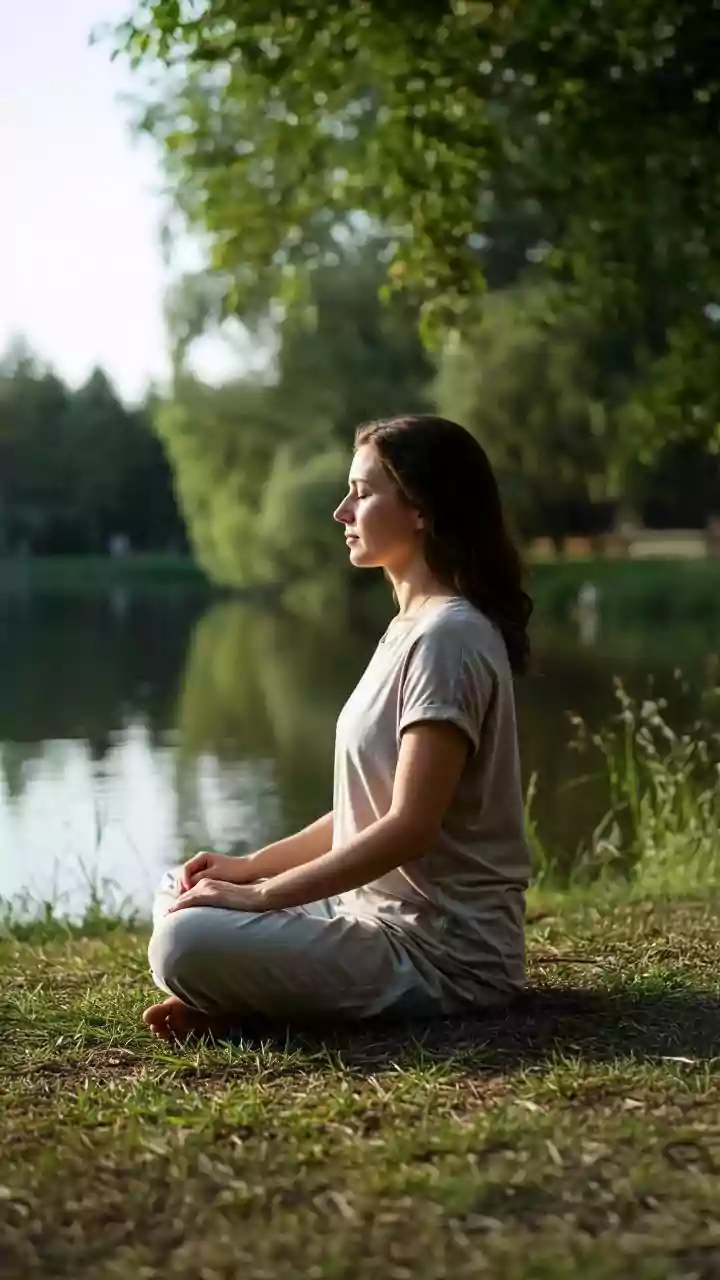





The Urban Glow That Disrupts Our Rhythm
For many urbanites, the day doesn't end when the sun goes down. We are bathed in the artificial light from streetlights, homes, and, most significantly, our digital devices. This constant exposure, especially to the blue light emitted by screens, confuses
our brains. It suppresses the production of melatonin, the hormone that signals to our body that it's time to sleep. Instead of winding down, our bodies are tricked into thinking it's still daytime, which can delay sleep, reduce its quality, and leave us feeling perpetually drained. This disruption to our natural 24-hour cycle, known as the circadian rhythm, is linked not just to poor sleep but also to issues like stress, anxiety, and even metabolic problems.
Nature's Solution: The Power of Natural Light
The most effective way to reset a confused body clock is surprisingly simple: natural light. Exposure to bright, natural sunlight, particularly in the morning, is the most powerful signal for anchoring our circadian rhythm. Morning light helps to advance our internal clock, promoting alertness during the day and setting us up for an earlier, more natural onset of sleep in the evening. A holiday that swaps scrolling in a dim room for a walk outdoors provides your body with the clear, strong light signals it needs. Spending time in natural daylight has been shown to improve sleep quality, duration, and advance the timing of sleep to more healthy hours.
Beyond the Clock: How Green Spaces Heal
The benefits of escaping to a natural setting go far beyond just light exposure. The Japanese practice of 'Shinrin-yoku', or forest bathing, demonstrates the profound healing power of simply being among trees. Research shows that spending time in a forest or even a city park can lead to a significant reduction in stress hormones like cortisol. It can lower blood pressure, reduce feelings of anxiety and depression, and even boost immune function. This happens partly because nature provides a calming sensory experience, from the sound of birds to the smell of damp earth, which helps to switch our nervous system from a state of 'fight or flight' to 'rest and digest'.
The 'Detox' in Digital Detox
Of course, the other key component is the 'detox' itself. Stepping away from our devices provides a much-needed break from the constant cycle of notifications, updates, and the pressure of social media. This digital noise keeps our brains in a state of 'continuous partial attention', which is mentally exhausting and fractures our focus. A temporary break can lead to immediate benefits, including reduced anxiety, clearer thinking, and an improved ability to concentrate. By removing the digital crutch, we also create space for real-world interactions and hobbies, strengthening relationships and fostering a sense of accomplishment outside the digital realm.
Crafting Your Own Natural Reset
A digital detox holiday doesn't need to be a month-long trek in the wilderness. It can be a weekend trip to a nearby hill station, a coastal town, or a national park. The goal is to maximise time in natural light and minimise screen time. Start by setting clear rules, like designating 'phone-free' hours or leaving devices in your room during meals and outdoor activities. Prioritise a morning walk to soak up the sun. Replace evening screen time with reading a book, talking with companions, or simply stargazing. The aim is not to demonise technology, but to intentionally create periods of disconnection to allow your body and mind to synchronise with the natural world. Even a short, focused break can have a lasting impact on your well-being.