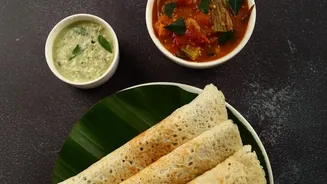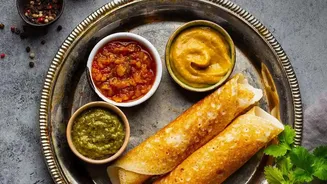

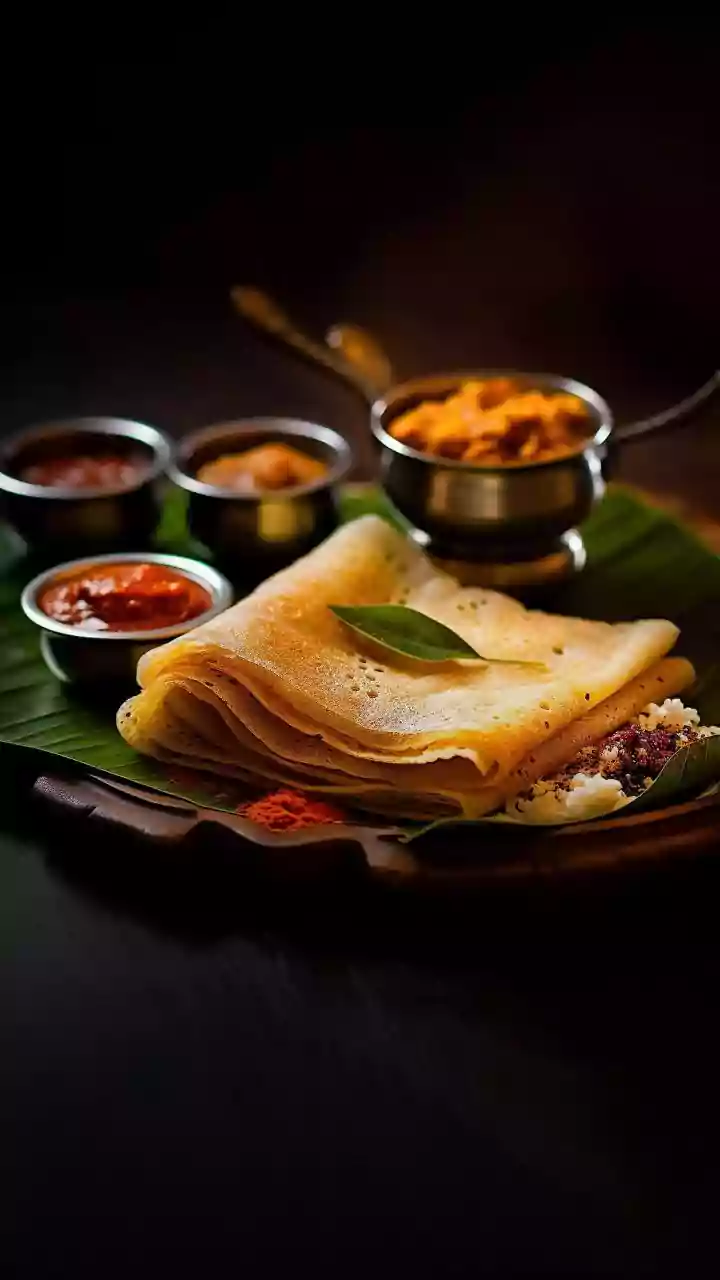
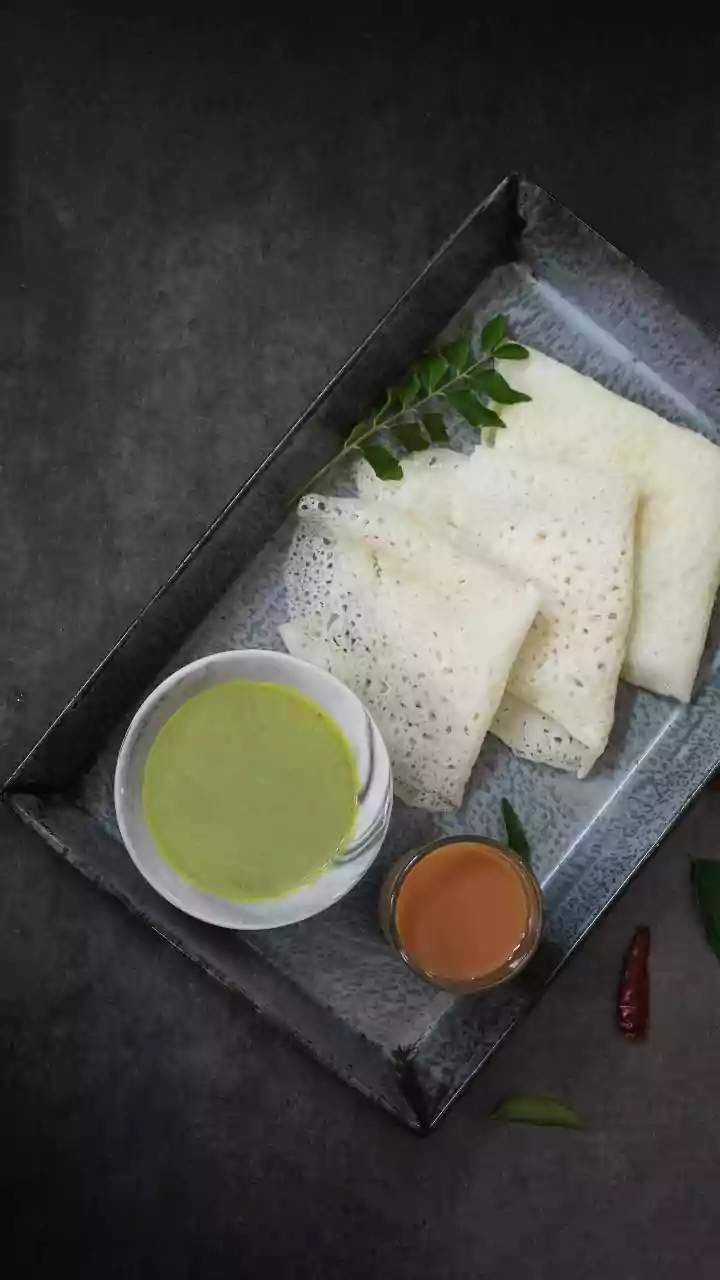
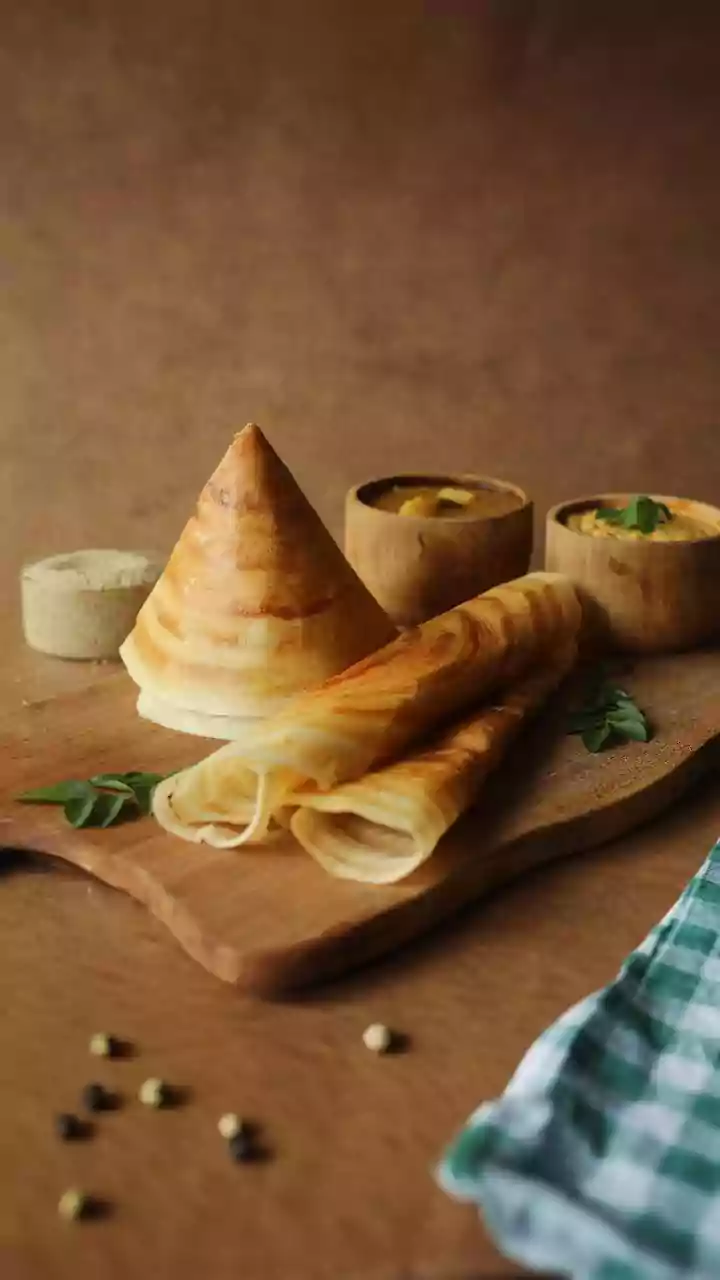
Craving those crispy, golden dosas overflowing with delicious toppings, just like the ones from your favourite street vendor? You might think you need a professional kitchen, but the secret to perfect loaded dosas is simpler than you imagine.
The Myth of Specialised Gear
The allure
of a perfect, paper-thin dosa often comes with the assumption that you need an arsenal of specialised equipment. Many home cooks are intimidated, believing a specific type of expensive, heavy-duty griddle or a collection of unique utensils is non-negotiable. The reality is far more encouraging. The two most essential tools in your dosa-making journey are already in most Indian kitchens: a reliable tawa and a simple, flat spatula. Whether you own a traditional cast-iron tawa or a modern non-stick one, success is within reach. The magic isn't in the gadgetry; it's in the technique. Mastering heat control and batter consistency will do more for your dosa game than any fancy tool ever could. So, before you invest in equipment you don't need, let's focus on making the most of what you already have.
Mastering Your Tawa
The tawa is the stage for your dosa, and managing it correctly is the single most important skill to learn. Both cast-iron and non-stick tawas can produce excellent results, but they require slightly different approaches. A cast-iron tawa, when properly seasoned, develops a natural non-stick surface and provides unbeatable heat retention for even browning. To season it, you apply a thin layer of oil and heat the pan, allowing the oil to bond with the metal. This process improves every time you cook. For non-stick tawas, the key is to avoid excessively high heat, which can damage the coating. The universal rule for both is proper temperature control. Before pouring the batter, the tawa should be hot enough for a sprinkle of water to sizzle and evaporate immediately, but not so hot that it's smoking. If it's too hot, the batter will stick and cook before you can spread it. A common trick is to wipe the hot tawa with a cut onion dipped in oil between dosas to clean the surface and regulate temperature.
The Humble Spatula's Power
You don't need a specialised dosa spreader or a complicated flipping tool. A long, thin, and slightly flexible metal or silicone spatula is your best friend. Its primary job is to get under the cooked dosa without tearing it. Once your batter is spread and the edges start to turn golden and lift slightly, a thin spatula can slide underneath with ease. This is the sign that the dosa is cooked and ready. For applying toppings, the same spatula works perfectly. You can use it to evenly spread chutneys, scatter cheese, or gently distribute a paneer or vegetable filling across the surface. When it comes to folding, the spatula provides the leverage to neatly fold your loaded creation in half without spilling the contents. Its simplicity is its strength, proving that technique and a basic tool are all you need.
Technique for Toppings
Making a loaded dosa is an art of timing and balance. The goal is to heat the fillings and melt the cheese without making the dosa soggy. First, ensure your dosa base is thin and crispy; a thick, undercooked base will collapse under the weight of toppings. Spread your batter thin and cook it until the top surface looks dry. This is the moment to act. Add your sauces or chutneys first, spreading a thin layer with your spatula. Next, add your pre-cooked fillings, like paneer bhurji, stir-fried noodles, or a vegetable mix. Don't overload it—too much filling will make it impossible to fold. Finally, if you're using cheese, sprinkle it on last. The residual heat from the dosa and the fillings will melt it perfectly. By the time the cheese is gooey, the bottom of your dosa should be a deep golden brown. Fold and serve immediately for the perfect contrast of crispy dosa and flavourful, hot toppings.
Simple, Inspiring Topping Ideas
Once you've mastered the basic dosa, the possibilities for toppings are endless. Start with combinations that are easy to prepare and won't overwhelm the delicate dosa. Here are a few ideas to get you started: Chilli Cheese Dosa: A crowd-pleasing favourite. Simply spread a thin layer of red chilli-garlic chutney, and top with grated mozzarella or a processed cheese blend. The spice from the chutney cuts through the richness of the cheese beautifully. Paneer Bhurji Dosa: Prepare a quick and flavourful paneer bhurji with onions, tomatoes, and simple spices. Spread it over the dosa for a protein-packed and satisfying meal. Quick Noodle Dosa: A fun, street-style twist. Use leftover instant noodles, stir-fried with a bit of soy sauce and vegetables, as a filling. It's a surprisingly delicious and filling combination that kids and adults love. Corn and Onion Dosa: For something simpler, just scatter finely chopped onions and sweet corn over the dosa as it cooks. The onions caramelise slightly and the corn adds a burst of sweetness, creating a simple yet flavourful experience.