





The Backlash Against Burnout
Many travellers know the feeling: returning from a holiday more exhausted than when they left. This 'vacation burnout' stems from the pressure to see and do everything, turning relaxation into another project to manage. In response, a significant travel trend
has emerged, with people consciously rejecting overpacked itineraries. This move towards 'slow travel' is an antidote to our hyper-productive, digitally saturated lives. Instead of rushing between cities, travellers are choosing to stay in one place for longer, allowing for genuine rest and spontaneous discovery. The goal is no longer to conquer a destination, but to connect with it. Surveys show that a vast majority of travellers now want trips built around rest, nature, and meaningful experiences, signalling a collective desire to recharge rather than just sightsee.
A Deeper Connection to Place
Slow travel's greatest reward is fostering a genuine connection with a location. By lingering in one place, travellers can move beyond the superficial layer of tourism and immerse themselves in the local rhythm. This means taking time to explore a neighbourhood, becoming a regular at a local café, or learning about regional crafts. In a country as diverse as India, for example, this approach allows for a richer appreciation of distinct cultures, foods, and traditions that a fast-paced tour would miss. Instead of just visiting a monument, a slow traveller might explore the surrounding area, have a leisurely meal, and observe daily life. This approach turns a trip into a more memorable and authentic experience, where the highlights are often the unplanned moments of connection.
The Quest for Authenticity
Travellers are increasingly seeking authentic experiences over crowded tourist hotspots. This has led to a rise in interest in secondary cities and destinations that are off the main tourist trail. Many are tired of being part of the crowds in overwhelmed places and want quieter, more genuine interactions. Slow travel supports this by encouraging stays in smaller guesthouses or homestays, which directly benefits local economies rather than large, global chains. The philosophy has its roots in the 'Slow Food' movement, which began in Italy in 1986 as a protest against fast food, championing local cuisine and traditional farming. Similarly, slow travel prioritises experiences that are local and sustainable, helping to preserve the culture and environment of the destination.
Wellness and a Lighter Footprint
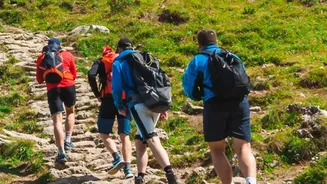
The focus on mental and physical well-being is a major driver of the slow travel trend. A relaxed pace reduces the stress and decision fatigue that often accompany travel, allowing for true rejuvenation. Activities like hiking, cooking classes, or simply reading a book are replacing the constant movement of traditional tourism. This shift aligns with a growing awareness of travel's environmental impact. By staying longer in one destination and using local transport like trains, travellers can significantly reduce their carbon footprint. Fewer flights and a focus on supporting local communities make slow travel a more sustainable and responsible way to explore the world.