






The New Office: Sand, Sea, and Wi-Fi
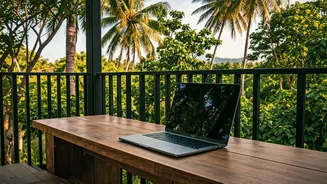
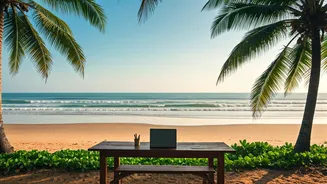
The distinction between work and life has blurred into a beautiful, sandy horizon for a growing number of Indian professionals. Armed with laptops and the freedom of remote work policies, they are swapping cramped city apartments for the tranquil verandas
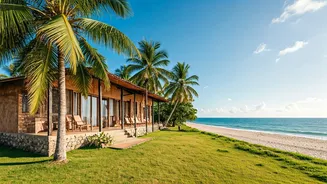
of homestays along the Konkan coast. This isn't the frantic weekend getaway of the past. Instead, bookings are stretching into weeks, sometimes even months, as 'workations' become a viable, long-term lifestyle. Homestay owners from Alibaug to Vengurla report a significant uptick in inquiries for extended stays, driven by professionals from Mumbai, Pune, and Bengaluru seeking a better work-life balance. The demand is not for luxury resorts, but for authentic, peaceful homes that offer a reliable internet connection alongside the soothing rhythm of coastal life.
Why the Konkan Coast?
For decades, Goa was the default destination for a coastal escape. But the new remote worker is seeking something different. The Konkan coast of Maharashtra offers a compelling alternative: it’s more accessible for those in Mumbai and Pune, less commercialised, and offers a deeper sense of cultural immersion. Travellers are drawn to the region's pristine beaches, historic sea forts, lush greenery, and, most importantly, its tranquillity. Unlike the bustling party scene of its southern neighbour, the Konkan offers quiet fishing villages, sprawling paddy fields, and the simple pleasure of fresh, home-cooked Malvani cuisine. This authentic, slower pace of life is precisely what professionals are craving as an antidote to the high-stress, always-on culture of city-based corporate life. The promise is a productive workday followed by an evening spent watching the sunset over the ocean, far from the noise and pollution of the metropolis.
A Lifeline for Local Hosts
This trend has been a transformative lifeline for local homestay owners, many of whom were struggling with the seasonality of tourism. The traditional model relied on weekend rushes and holiday peaks, leaving properties empty for long stretches. The remote work surge has changed that calculus entirely. Owners now benefit from consistent, long-term occupancy, which provides a more stable and predictable income stream. These new guests are often less demanding than typical tourists; their primary needs are a clean, quiet space and a stable internet connection. This has allowed smaller, family-run properties to thrive. Hosts often form closer bonds with their long-stay guests, sharing meals and local stories, turning a transactional stay into a genuine cultural exchange. It’s a win-win: professionals get an affordable and enriching work environment, while local communities see a more sustainable form of tourism that provides year-round economic support.
More Than Just a Change of Scenery
The migration to coastal homestays is more than a logistical choice; it's a philosophical one. Burnout, a word that became all too common during the pandemic, has pushed many to re-evaluate their priorities. The ability to integrate work with wellness, nature, and personal time is no longer a luxury but a necessity for mental and physical health. A 'workation' on the Konkan coast allows for a reset. Productivity is often reported to increase, free from the distractions of city life. The time saved on commuting is reinvested into hobbies, exercise, or simply relaxing. This shift indicates a deeper desire for a life that isn't compartmentalised into 'work' and 'leisure', but is instead a holistic experience where professional duties and personal well-being can coexist harmoniously.
Challenges and the Road Ahead
While the trend is overwhelmingly positive, it isn't without its challenges. The primary hurdle for many remains infrastructure. While connectivity has improved, patchy Wi-Fi and unpredictable power cuts can still disrupt a crucial video conference. As demand grows, there's also the risk of over-commercialisation, which could erode the very authenticity that makes the Konkan so appealing. For the trend to be sustainable, local communities and authorities will need to manage this growth responsibly, ensuring that infrastructure development keeps pace without sacrificing the region’s natural beauty and cultural identity. The key will be to preserve the quiet charm that first drew remote workers to these tucked-away shores.