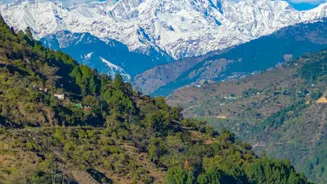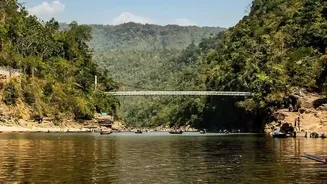



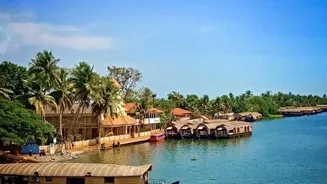
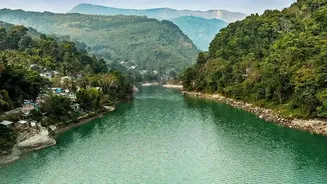
While the Himalayas evoke images of towering peaks, Arunachal Pradesh offers a different kind of magic. As you ascend from its lower reaches, the landscape transforms into a realm of ethereal high-altitude lakes and sweeping pine meadows.
A Land of Dramatic Ascent
Arunachal Pradesh
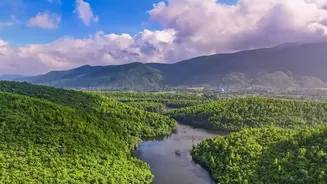
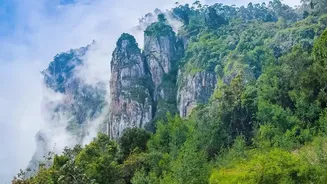
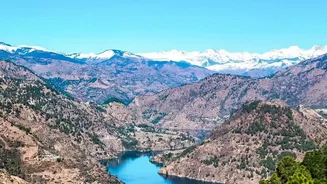
is a state defined by its dramatic changes in elevation. The journey here is often a vertical one, starting from subtropical, densely forested foothills near the plains of Assam and climbing into a world that feels entirely separate. Unlike the more uniformly rugged terrain of some other Himalayan states, Arunachal's landscape unfolds in layers. The lower hills are lush and tropical, but as the altitude increases, the air thins, the temperature drops, and the scenery shifts to temperate and alpine ecosystems. This transition gives way to vistas that are unique to the state’s upper reaches: vast, open meadows and crystal-clear glacial lakes cradled by snow-dusted mountains.
The Realm of Sacred Waters
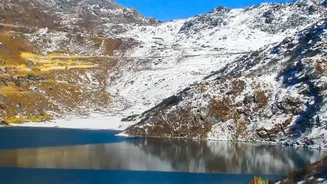
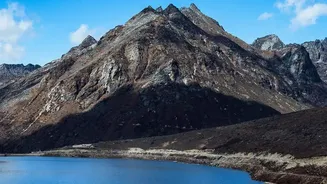
The high-altitude lakes of Arunachal are one of its most defining features. Perched at elevations often exceeding 13,000 feet, these bodies of water are typically glacial in origin, fed by melting snow. Sela Lake, located near the famous Sela Pass on the way to Tawang, is a prime example. For much of the winter, it remains frozen, a sheet of ice reflecting the stark beauty of its surroundings. These lakes are not just geographical wonders but also hold deep spiritual significance for local communities like the Monpa tribe, who consider them sacred. Another cluster of stunning lakes, including the famed Pankang Teng Tso (P.T. Tso) and Sangestar Tso, also known as Madhuri Lake, can be found near the border, each with its own unique charm and breathtaking views. Their serene, crystal-clear waters, reflecting the surrounding peaks, stand in stark contrast to the turbulent rivers of the lower valleys.
Meadows in the Clouds
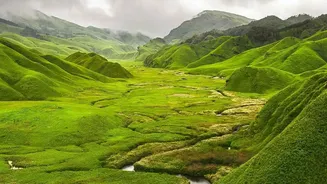
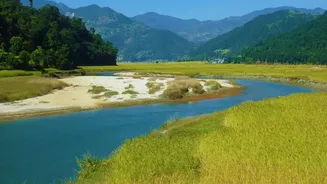
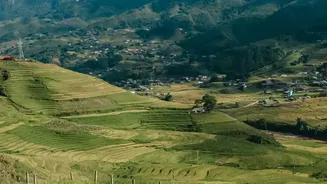
Complementing the pristine lakes are Arunachal's expansive high-altitude meadows and valleys carpeted with pine trees. Places like Mechuka Valley, often called the 'Forbidden Valley', offer landscapes that seem almost painted. At an elevation of around 6,000 feet, Mechuka is a wide valley floor covered in green pastures, through which the clear Siyom River flows. It is surrounded by gentle, pine-clad hills and snow-capped mountains in the distance. Similarly, the Ziro Valley, a UNESCO tentative heritage site, is famous for its pine-covered hills surrounding lush rice fields, creating a unique and picturesque setting. These rolling meadows and pine forests offer a softer, more pastoral beauty compared to the dense, humid forests of the state's lower regions, providing grazing grounds and a sense of boundless open space.
An Ecosystem Apart
This transition from lower hills to high-altitude zones creates a remarkable biodiversity hotspot. The lower elevations are characterized by tropical and semi-evergreen forests, but as one climbs, these give way to temperate broadleaf forests and then subalpine conifer forests dominated by pine, fir, and oak. During spring, these higher regions burst into colour with blooming rhododendrons, painting the hillsides red and pink. The alpine meadows above the treeline support unique flora and are often used as summer grazing grounds for yaks. This distinct ecological zoning, from humid jungles to cold, arid plateaus, is what truly sets Arunachal’s landscape apart, making it a sanctuary for a wide variety of flora and fauna that thrive in these specific altitudinal niches.