



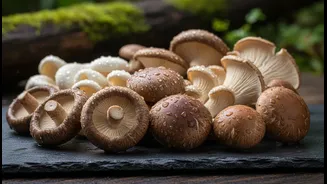


The Rise of the Unlikely Superstar
The perception of mushrooms in India has undergone a dramatic shift. Once considered an exotic or occasional vegetable, they are now a dietary staple for many. This growing popularity is reflected in market trends, with the Indian mushroom market valued
at over USD 1.5 billion in 2025 and projected to grow significantly. This surge is driven by a 'protein transition', especially among vegetarian and health-conscious urban households who now see mushrooms as a crucial source of non-meat protein. What was once a garnish has become a main ingredient, moving from a once-in-a-while luxury to a regular feature in the weekly grocery basket. This transition is supported by wider availability in local markets, supermarkets, and online grocery platforms, making them more accessible than ever.
More Than Just Buttons
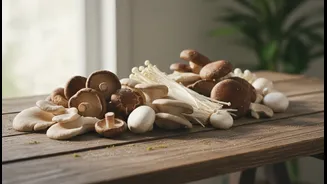
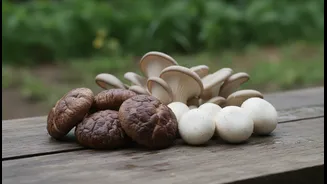
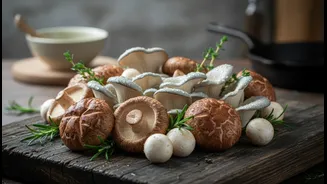
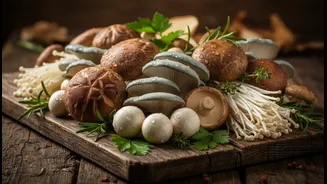
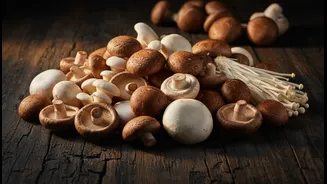
For years, the Indian market was dominated by the familiar white button mushroom, which still accounts for a majority of production. However, a key part of the current craze is the growing availability and popularity of other varieties. Oyster, shiitake, and milky mushrooms are now making their way into home kitchens and restaurant menus. Oyster mushrooms, in particular, are favoured for their fast growth cycle and resilience, making them a popular choice for new farmers. Meanwhile, the demand for specialty mushrooms like shiitake and even lion's mane is spiking in cities, where they are seen as premium functional foods. This diversification means consumers are discovering a whole new world of flavours and textures, from the meaty bite of a portobello to the delicate profile of an oyster mushroom.
A Powerhouse of Health Benefits
Much of the mushroom's newfound fame is tied to its impressive nutritional profile. As health awareness grows, consumers are actively seeking out foods that are low in calories but high in nutrients, and mushrooms fit the bill perfectly. They are a rich source of protein, fibre, and antioxidants. They also contain key minerals like selenium and potassium, and vitamins like B and D. Studies have linked mushroom consumption to numerous health benefits, including boosting the immune system, protecting brain health, and even lowering the risk of certain cancers. Rich in compounds that support a healthy gut and help manage cholesterol, mushrooms are being hailed as a superfood that delivers on multiple fronts.
The Chef's New Creative Canvas
The culinary world has embraced mushrooms for their incredible versatility. Their earthy, umami flavour makes them a satisfying substitute for meat, a quality that is being leveraged in everything from burgers to biryanis. In India, chefs and home cooks are moving beyond traditional preparations like mushroom masala and matar mushroom. We are now seeing innovative dishes like mushroom tikka grilled in a tandoor, fiery South Indian mushroom pepper fry, creamy mushroom kurmas, and even savoury mushroom-filled paniyarams. Their ability to absorb spices while retaining a distinct texture makes them a perfect ingredient for the complex flavours of Indian cuisine. This culinary experimentation is introducing mushrooms to a new generation of food lovers in exciting and delicious ways.
From Farm to Table, Sustainably
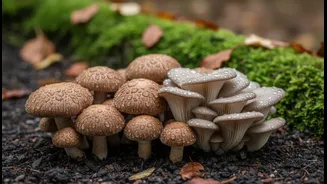
The mushroom boom is also a story about sustainable agriculture. Mushroom farming has a low environmental footprint, requiring less space and water compared to many other crops. They are grown on agricultural waste products like paddy straw, sawdust, or sugarcane bagasse, effectively turning waste into a valuable food source. This has made mushroom cultivation a profitable agribusiness, especially for small-scale farmers and entrepreneurs in both rural and urban areas. With government support and new cultivation technologies, local production is increasing, ensuring a fresher supply for consumers and bolstering the entire farm-to-table ecosystem.