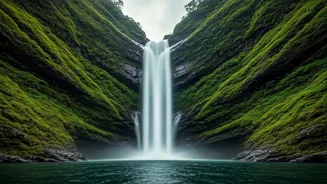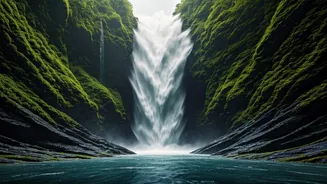


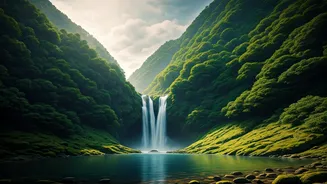


So, What Is a Reverse Waterfall?
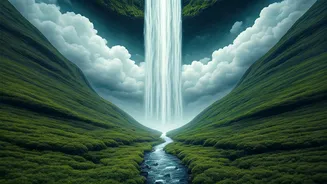
A reverse waterfall is a fascinating optical and physical illusion that occurs under very specific weather conditions. It’s not that the water source is at the bottom of the cliff; rather, a normal waterfall’s flow is overpowered by fierce, upward-blowing
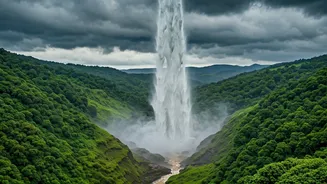
winds. When the wind speed is strong enough, it catches the falling water droplets and pushes them back up and over the cliff edge, creating a mesmerising spray that looks like the waterfall is flowing in reverse. This phenomenon is most common during the monsoon season in hilly or mountainous regions, particularly along the Western Ghats, where strong winds from the Arabian Sea are funnelled through valleys and up escarpments.
Why Is Everyone Talking About It?
While these reverse waterfalls have been a local secret in many regions for years, their popularity has exploded recently, thanks to social media. Awe-inspiring videos of water billowing upwards have gone viral on Instagram and YouTube, turning these seasonal spots into must-visit destinations for trekkers, photographers, and weekend adventurers. The thrill of witnessing such a rare and beautiful natural event is a powerful draw. It offers a unique escape from city life and a chance to see nature’s power up close. This surge in interest has solidified its place as a top monsoon activity for those looking for something beyond a standard trek.
Prime Spot: Naneghat, Maharashtra
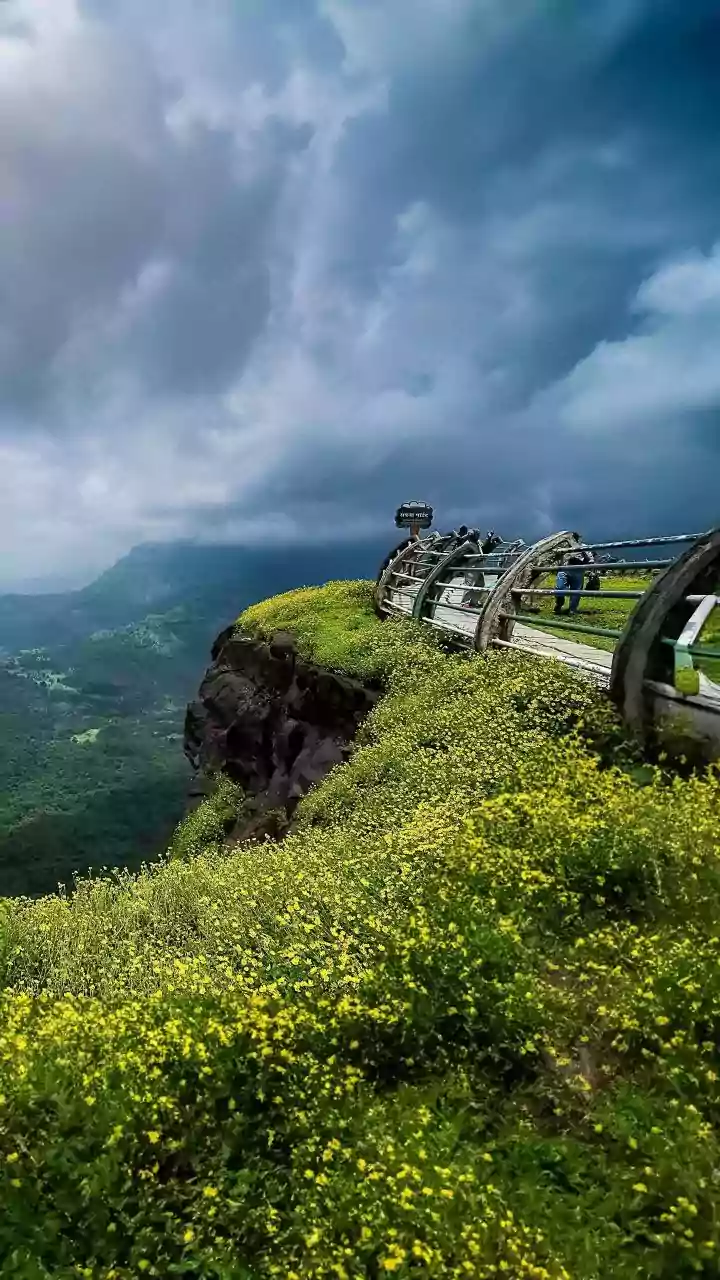
Arguably the most famous location to witness this spectacle is Naneghat, a mountain pass in the Western Ghats near Junnar in Pune district. Historically a tollbooth and trade route, today it’s a trekker’s paradise. During peak monsoon (July to September), the winds here are so powerful that several streams cascade up the cliffs instead of down. The trek to the viewpoint is moderately challenging, rewarding visitors not just with the reverse waterfall but also with breathtaking panoramic views of the green valleys below, often shrouded in mist. The combination of history, hiking, and this surreal natural event makes Naneghat a top contender on every monsoon travel list.
Another Gem: Samrad, Bhandardara
Nestled near the famous Bhandardara dam, the village of Samrad is another hotspot for this phenomenon. Known as the gateway to the Sandhan Valley (Asia's second-largest valley), Samrad offers its own stunning reverse waterfall during heavy monsoons. The winds whipping through the deep gorges create the perfect conditions for water to spray skywards. What makes this spot special is its relatively remote location, offering a less crowded experience compared to Naneghat. It’s an ideal destination for those who want to pair the waterfall experience with camping, stargazing, and exploring the rugged beauty of the Sahyadri mountain range.
How to Plan Your Visit Safely
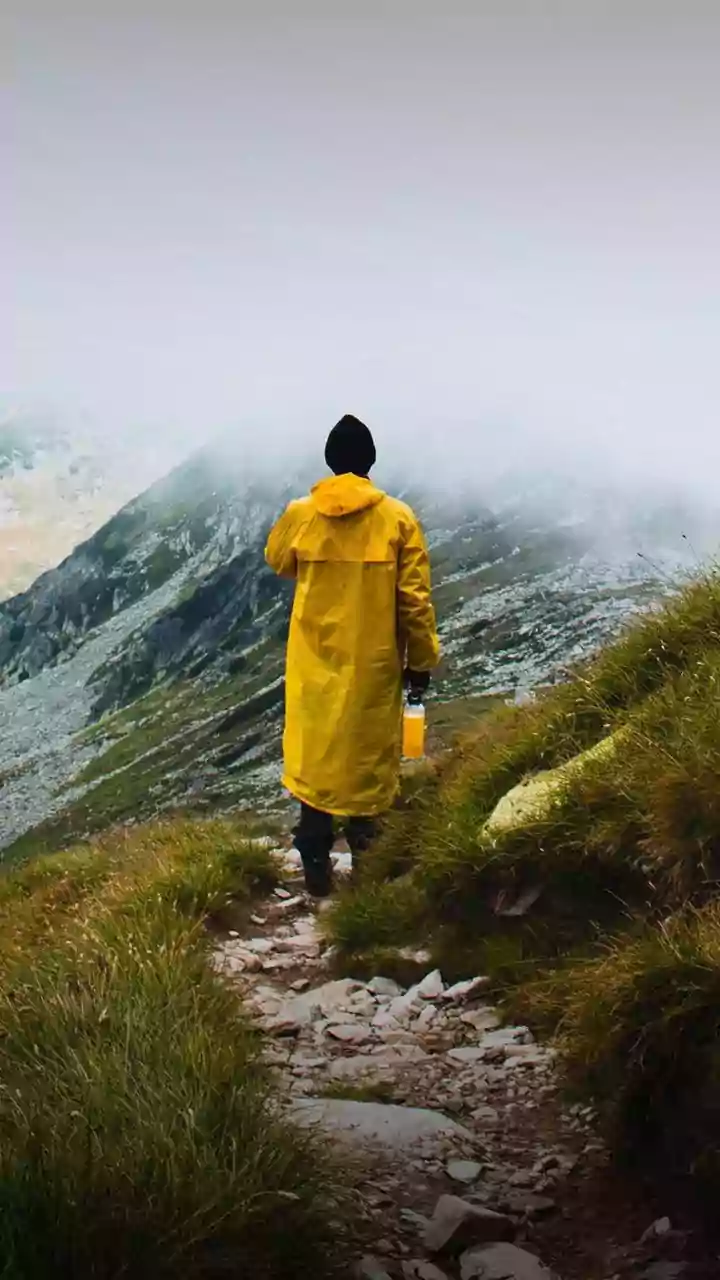
Seeing a reverse waterfall is an incredible experience, but safety should be your top priority. These spots are windy, wet, and can be treacherous. Wear sturdy footwear with excellent grip, as the paths will be slippery and muddy. A good quality raincoat is essential, not just for the rain but for the powerful spray from the waterfall itself. Go in a group and inform someone of your plans. Be extremely cautious near cliff edges; the strong gusts of wind are unpredictable and can easily cause you to lose your balance. Avoid visiting during thunderstorms or extremely heavy downpours when the risk of landslides is higher. The best time is typically a windy day after a good spell of rain.