





What is Seasonal Eating?
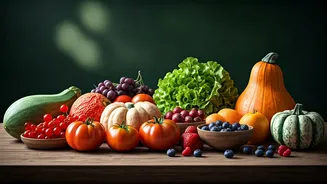
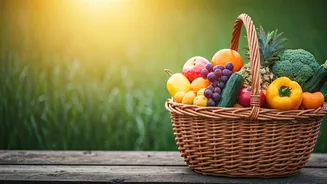
Seasonal eating is the practice of consuming foods at the time of year they are naturally harvested. For generations in India, meals were inherently seasonal, guided by the local climate and what farmers could grow. Summer meals were light and cooling,
winter brought warmer, nourishing foods, and monsoon diets were simple and easy to digest. This approach aligns our bodies with nature's rhythm, providing the specific nutrients we need to thrive in different weather conditions.
The Nutritional Advantage
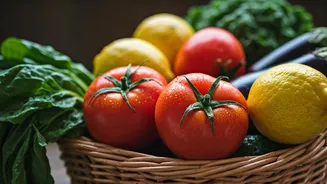
Produce picked at its peak of ripeness is more flavorful and packed with nutrients. Fruits and vegetables that are allowed to ripen naturally on the plant contain more vitamins and antioxidants. In contrast, out-of-season produce is often harvested early and transported over long distances, which can cause it to lose nutritional value before it even reaches your plate. For instance, the vitamin C content in a locally sourced, in-season tomato can be significantly higher than in one purchased off-season. Eating seasonally also introduces a natural variety into your diet, which is crucial for a diverse and healthy gut microbiome.
Good for Your Wallet and the Planet
When produce is in season, it's abundant, and this peak supply often leads to lower prices, making it a cost-effective choice for families. Beyond the savings, seasonal eating has powerful environmental benefits. Choosing locally grown seasonal food reduces “food miles,” the distance your food travels from farm to plate. This cuts down on transportation-related carbon emissions, energy for refrigeration, and excess packaging, lessening the overall environmental impact. It also supports local farmers and stimulates the community's economy.
A Taste of India’s Seasons
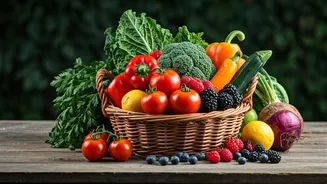
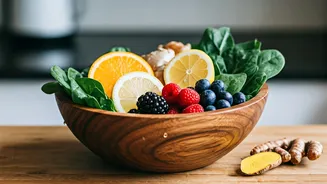
India’s diverse climate offers a rich bounty of produce throughout the year. Here’s a glimpse of what to look for in each major season: * **Summer (March-June):** Focus on hydrating and cooling foods. Look for mangoes, watermelon, muskmelon, cucumber, bottle gourd (lauki), and kokum. These are typically high in water content and rich in electrolytes to combat the heat. * **Monsoon (July-September):** This season calls for fresh, easy-to-digest foods that boost immunity. Enjoy corn (bhutta), pears, plums, jamun, and gourds like bitter gourd (karela) and ridge gourd (turai). Bitter vegetables are traditionally consumed to support liver function. * **Winter (October-February):** This is a time for nutrient-dense, warming foods. Load up on citrus fruits like oranges and sweet lime, as well as amla and guava. It’s also the peak season for leafy greens like spinach (palak), fenugreek (methi), and mustard greens (sarson), along with root vegetables like carrots and beets.
Simple Ways to Start Eating Seasonally
Making the shift to seasonal eating doesn't have to be complicated. Start by visiting your local sabziwala or farmers' market to see what is fresh and abundant. Plan your meals around what's available. Challenge yourself to try one new seasonal vegetable or fruit each week. You can also embrace traditional cooking methods that align with the seasons, such as using cooling spices like coriander and fennel in the summer and warming spices like ginger and sesame in the winter. By paying attention to what nature offers, you can make your meals more delicious, nutritious, and sustainable.