





The Myth of the Single-Dish City
For decades, the culinary identities of India’s metropolises have been tied to a few iconic dishes. These stereotypes, while rooted in history, are becoming increasingly outdated. Thanks to the explosion of food delivery apps, we now have a treasure trove
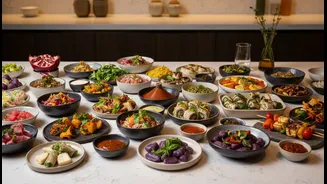
of data that paints a much richer and more accurate picture of what city dwellers are actually eating. This data shows that while legacy dishes remain beloved, the day-to-day consumption habits in cities are diversifying at a rapid pace. The idea of a monolithic city palate is officially a thing of the past; today’s urban foodscape is a dynamic mix of tradition, trends, and unprecedented choice.
Biryani: The Great Unifier
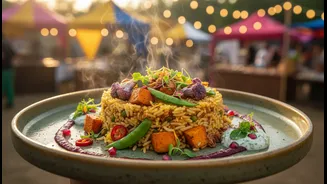
While local favourites have strong regional followings, one dish consistently dominates search queries and order volumes across the entire country: biryani. For several years running, food delivery platforms have reported biryani as the most ordered item in India, cutting across the North-South divide. In 2024, Zomato recorded over 90 million biryani orders, which translates to more than three every second. Its widespread popularity, from late-night comfort food to group orders for celebrations, makes it India's true national dish in the digital age, proving that some tastes transcend local stereotypes entirely.
Bengaluru's Global Appetite
Often stereotyped as the land of idli and dosa, Bengaluru's food scene is arguably the most experimental in the country. The tech hub is a melting pot of cultures, and its palate reflects this. Recent data shows a huge surge in demand for Korean and pan-Asian cuisines, with cafes dedicated to these flavours opening up across the city. Alongside this, there's a strong demand for comfort foods, but this includes everything from ghee podi idlis to ramen bowls and butter garlic noodles. One user in Bengaluru even spent nearly ₹50,000 on a single pasta order, showcasing a willingness to splurge on global comfort fare. This demonstrates a city that loves its roots but has a voracious appetite for global trends.
Mumbai and Delhi's Evolving Tastes
Mumbai's identity is synonymous with street food like vada pav, but the city's ordering habits reveal a craving for more. While street staples are still popular, data points to a broader search for comfort that includes everything from kheema pav to hearty biryanis. Similarly, Delhi is known for its rich Mughlai and North Indian fare. However, its diners are increasingly health-conscious and adventurous. There’s a noticeable shift away from exclusively heavy, fried dishes towards lighter, steamed, or stir-fried options, particularly in Asian cuisine. International flavours from Mexico and Tibet have also found a strong footing, each crossing the 10 million order mark nationally, a trend reflected in Delhi's diverse food scene.
What's Driving the Culinary Shift?
Several factors are contributing to this nationwide culinary diversification. A growing class of young, urban professionals with higher disposable incomes and global exposure through travel and social media are eager to experiment. The rise of food delivery platforms has made a vast array of cuisines accessible to everyone, from hyper-regional Indian specialties to international trends like Korean ramen and Mexican tacos. Furthermore, a post-pandemic focus on health has led to a surge in demand for nutritious, functional, and plant-based foods, changing what people seek from their daily meals. This combination of a curious consumer base and unprecedented access is fundamentally reshaping India's urban food identity.