


The Myth of Effortless Monsoon Growth
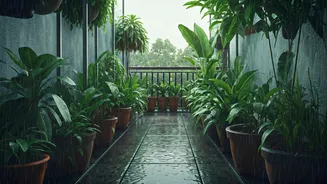
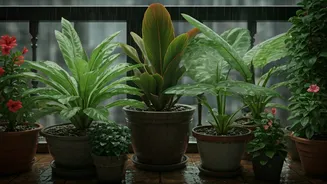
The arrival of monsoon feels like a blessing for gardens, promising vigorous growth. While the cooler temperatures and natural watering are beneficial, they also create a perfect storm of problems for container plants. Balcony gardens are especially vulnerable.
Unlike gardens on the ground, pots have limited space and can quickly become waterlogged, leading to a host of issues that can kill plants faster than summer heat. Sticking to your summer care routine is one of the biggest mistakes. The key to a thriving monsoon balcony is not neglect, but adaptation. It requires a shift in how you water, manage your soil, and protect your plants from the elements.
Reality Check 1: Overwatering Is the Biggest Culprit
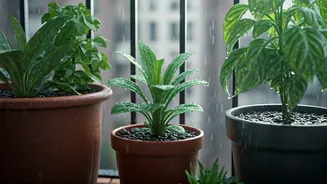
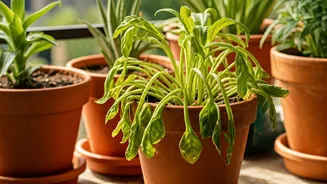
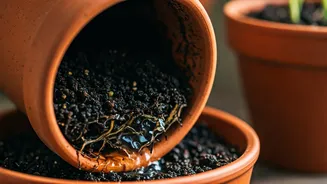
It seems counterintuitive to worry about watering when it’s raining, but overwatering is the number one killer of balcony plants during the monsoon. Rain provides plenty of moisture, and adding more water can suffocate the roots. When soil is constantly wet, roots can't access oxygen, leading to root rot. Signs include yellowing leaves, drooping stems even when the soil is damp, and a musty smell from the pot. Before you water, always check the soil. Poke a finger an inch or two deep; if it feels damp, your plant doesn't need more water. For most plants, this means you may not need to water manually at all during rainy weeks.
Reality Check 2: Drainage Is Non-Negotiable
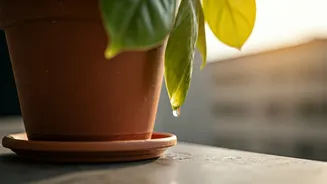
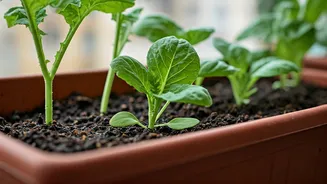
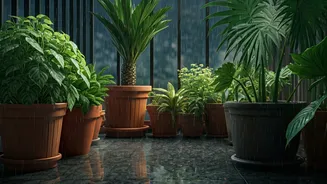
Proper drainage is crucial for container gardens year-round, but it becomes critical during the monsoon. Heavy downpours can fill pots faster than they can drain. Ensure every pot has clear drainage holes at the bottom. If they are blocked, clear them immediately. A simple but highly effective trick is to elevate your pots. Placing them on bricks, pot stands, or even bottle caps creates a small gap between the pot and the floor, allowing excess water to escape freely and preventing the roots from sitting in a puddle. Using a well-draining potting mix, often containing perlite or sand, is also essential.
Reality Check 3: Wind and Rain Can Cause Physical Damage
Monsoon storms bring not just rain but also strong winds that can batter plants, break stems, and even topple pots. Taller plants and those with delicate foliage are particularly at risk. Secure climbers to their trellises and consider moving more fragile plants to a sheltered spot, like against a wall or under an overhang, during heavy downpours. If pots are lightweight, weigh them down by adding stones at the bottom or grouping them together for stability. For very intense storms, you can temporarily cover smaller plants with buckets or wrap larger ones in burlap. After a storm, prune any broken or damaged leaves and stems to prevent rot.
Reality Check 4: Humidity Invites Pests and Fungi
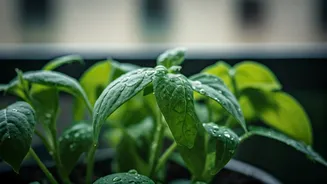
The high humidity of the monsoon creates an ideal breeding ground for pests like snails, slugs, and aphids, as well as fungal diseases like powdery mildew. Overcrowding plants reduces air circulation and traps moisture on leaves, making the problem worse. Ensure there is adequate space between your pots to allow air to flow freely. Regularly inspect your plants for any signs of trouble, such as holes in leaves, sticky residue, or white powdery spots. Remove any dead leaves or debris from the pots promptly, as they can harbor pests. A preventive spray of neem oil mixed with water can be an effective organic solution to keep many common pests and fungal issues at bay.
Choose Your Monsoon Warriors Wisely
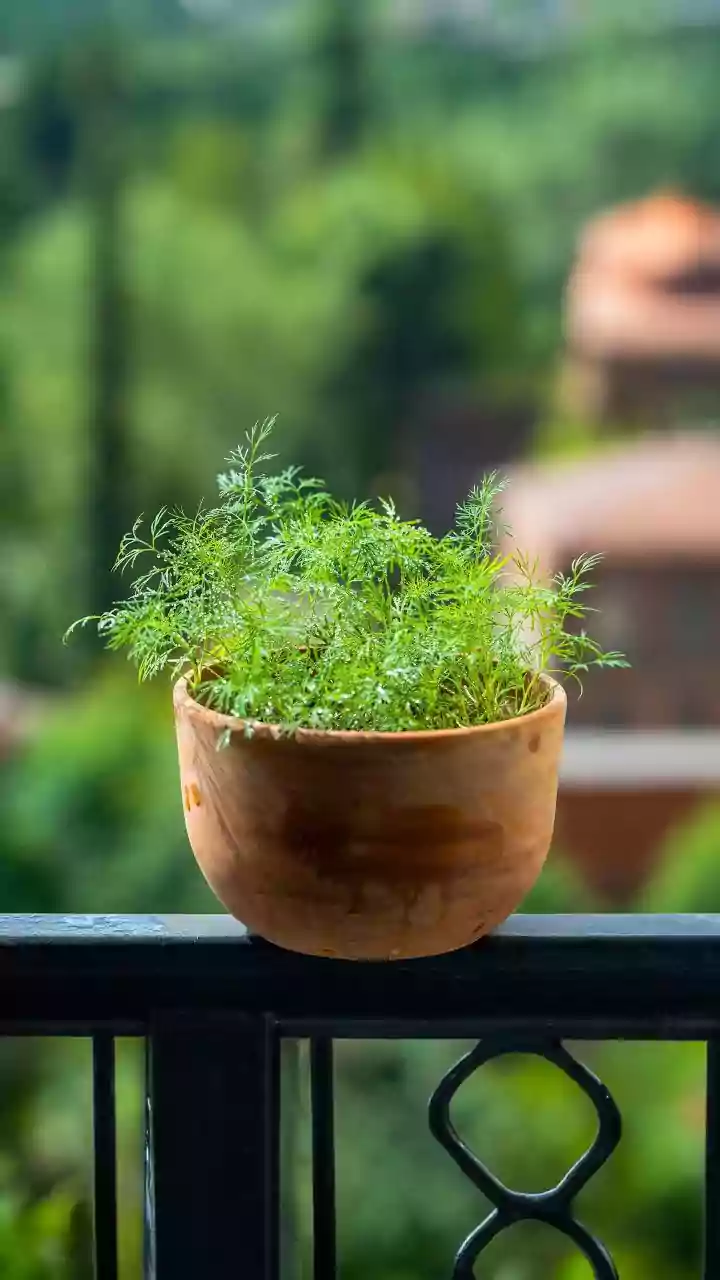
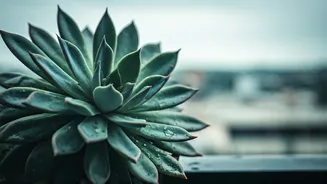
While many plants struggle, some thrive in the wet and humid conditions of the monsoon. Choosing the right plants is half the battle won. Monsoon-friendly flowering plants like hibiscus, balsam, periwinkle (sadabahar), and marigolds can add vibrant colour to your balcony. Foliage plants like ferns, peace lilies, caladiums, and coleus also flourish in the high humidity. Even herbs like mint and coriander grow profusely during this season. If you have succulents or other plants that prefer dry conditions, make sure to move them to a spot with protection from direct rain.