




A Lifeline for Millions
The railway line connecting Delhi to Gorakhpur is one of the most significant and heavily trafficked in India. It serves as a crucial link for migrant workers, students, families, and business travellers moving between the national capital and the populous
regions of eastern Uttar Pradesh and Bihar. Every day, thousands of people rely on this route for their livelihood, education, and personal journeys. Because passenger needs are so varied, a one-size-fits-all approach to train service would fail to meet the demands of this diverse population. The existence of multiple service tiers—from premium, high-speed trains to economical, no-frills options—is not just a matter of convenience; it’s a reflection of the varied economic realities and priorities of its travellers. Understanding these options is key to navigating this essential travel corridor.
The Premium Tier: Speed and Comfort
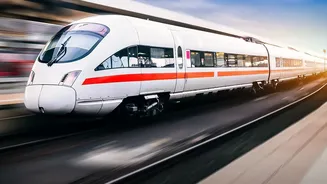
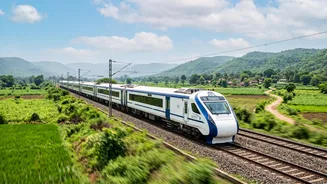
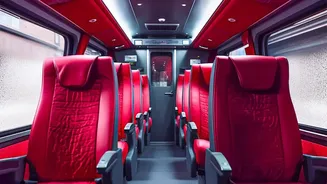
For those who prioritize time and comfort above all else, services like the Vande Bharat and Humsafar Express represent the top tier of travel. The Vande Bharat, a chair-car service, is designed for speed and a premium experience, featuring modern interiors, onboard catering included in the ticket price, and faster acceleration that reduces overall journey time. Similarly, the Humsafar Express is a fully air-conditioned 3-tier sleeper train known for its modern, comfortable LHB coaches and amenities designed for overnight travel. These trains cater to business travellers, professionals, and families who are willing to pay a higher price for a cleaner, faster, and more predictable journey. The choice here is simple: trade a higher fare for a significant upgrade in travel quality and a reduction in travel fatigue.
The Budget Lifeline: Affordability First
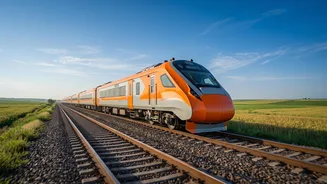
At the other end of the spectrum are the services that form the backbone of affordable travel for a majority of passengers. The recently introduced Amrit Bharat Express is a prime example, specifically designed to offer a modern travel experience at a low cost. Featuring non-AC sleeper and unreserved general coaches, it uses advanced push-pull technology for a smoother ride without the premium price tag, catering directly to migrant workers and students. Likewise, the Garib Rath Express offers a unique proposition: a fully air-conditioned journey at a fraction of the cost of regular AC trains. While this is achieved through higher seating density and by making amenities like bedding an optional add-on, it makes AC travel accessible to a much wider audience. For millions, these trains are not just an option but the only viable way to travel long distances without financial strain.
The Middle Path: Balancing Cost and Comfort
Many travellers seek a middle ground—a journey that is comfortable but doesn't break the bank. This is where the AC 3-Tier and AC 2-Tier coaches on traditional mail and express trains like the Vaishali Express or Sapt Kranti Express come in. These services have been the default choice for middle-class Indian families for decades. They offer the comfort of air-conditioning and reserved berths, providing a significant step up from the rigours of non-AC sleeper or general class, but at a more moderate price point than the fully premium Humsafar or Vande Bharat. This balanced option allows a family to travel overnight with a degree of comfort and security, ensuring they arrive at their destination reasonably well-rested. It represents a practical compromise that aligns with the budget and expectations of a huge segment of passengers.
More Than Just a Seat
The choice of service impacts more than just the wallet and the watch. It determines the entire passenger experience, from cleanliness and food quality to safety and punctuality. Indian Railways has been introducing system-wide improvements, such as bio-toilets, mechanized cleaning at stations, and services like 'Coach Mitra' for onboard complaints. However, the experience can still vary widely. Premium trains often boast better punctuality and cleaner facilities. On the other hand, the sheer volume of passengers on this high-density network means that budget trains can be overcrowded and prone to delays. The ongoing project to add more lines to these congested routes aims to alleviate this pressure, promising a future of smoother and more reliable travel for everyone, regardless of the class they travel in.