






The Seasonal Shift to Smog
October marks a critical transition period for North India's atmosphere. The life-giving monsoon has typically withdrawn, taking with it the strong winds and rain that wash pollutants from the air. This ushers in a period of calmer, cooler weather. While
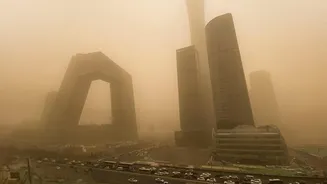
pleasant, these conditions are a double-edged sword. As temperatures drop, a phenomenon known as thermal inversion occurs. Cool, heavy air gets trapped close to the ground by a layer of warmer air above it, acting like a lid on the region. This atmospheric cap prevents pollutants from dispersing, allowing them to accumulate day after day. Just days into October 2026, Delhi's air quality has already worsened, recording its most polluted start to the month in six years. The average AQI for the first four days of October stood at 174.5, a significant jump from previous years and a clear signal that the seasonal shift is underway.
The Plume from Post-Harvest Fires
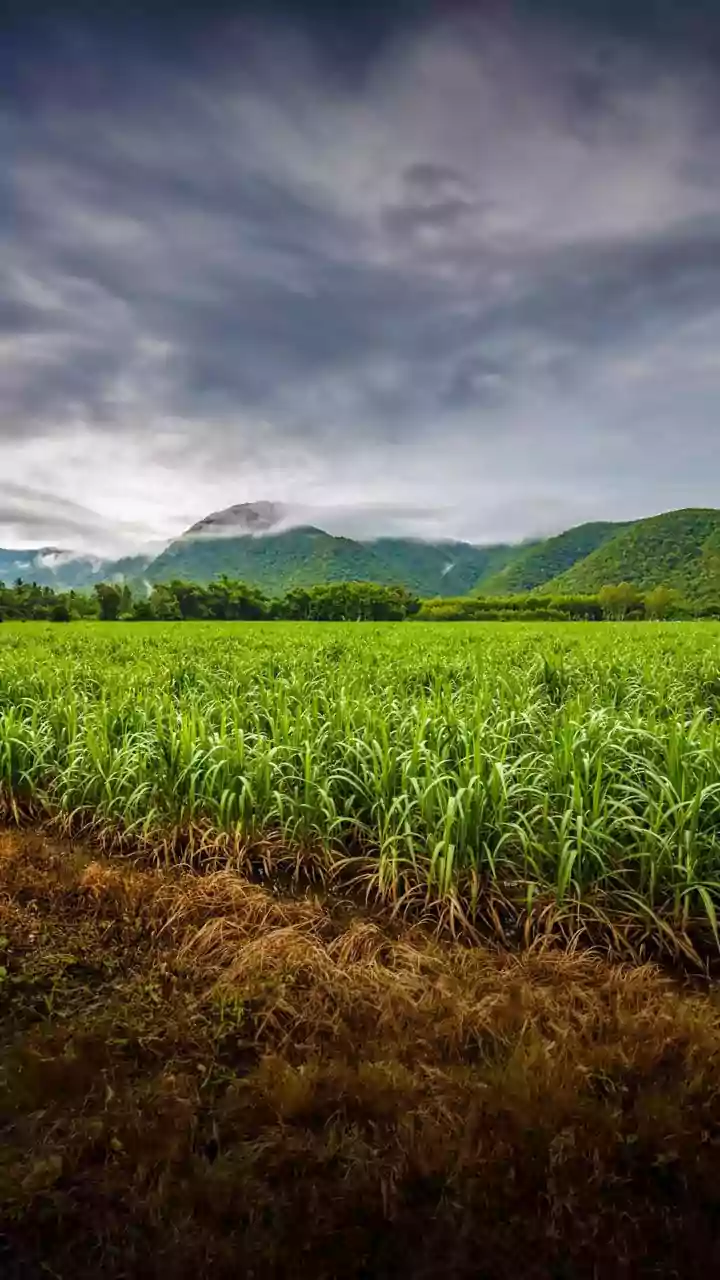
One of the most significant human-caused factors is stubble burning in the neighbouring states of Punjab and Haryana. Farmers, in a hurry to clear their fields after the paddy harvest to sow winter crops, resort to burning the leftover crop residue. This practice sends vast plumes of smoke containing particulate matter and other toxins drifting towards the Indo-Gangetic Plain. While there have been efforts to curb this, farm fires have already started in 2026. Between September 15 and 30, 114 crop residue burning incidents were recorded across six states, with Punjab accounting for 59 of them. Though the numbers are currently lower than in some past years, harvesting is expected to gather momentum, and so will the fires. With state elections approaching in Punjab in early 2027, there are concerns that the government may be hesitant to penalize farmers, who form a crucial voter base.
Urban Emissions Add to the Burden
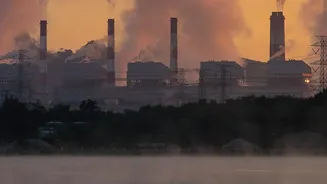
While farm fires are a major episodic contributor, the pollution from within cities forms the toxic baseline. This includes emissions from vehicles, industrial activity, construction dust, and open waste burning. On October 5, 2026, Delhi's AQI was in the 'moderate' category at 179, with local pollutants like PM10 (larger dust particles from roads and construction) being a dominant factor in the recent decline in air quality. This year, the festival of Diwali falls at the end of October, which could lead to a severe spike in pollution from firecrackers, compounding the already deteriorating conditions. Authorities are preparing for this annual challenge. The Commission for Air Quality Management (CAQM) has already reviewed preparedness and announced a revised Graded Response Action Plan (GRAP). This plan includes stricter measures that are triggered as air quality worsens, such as restrictions on certain vehicles and construction activities across the NCR.
What to Expect This Month
The forecast for October 2026 presents a mixed but worrying picture. The immediate days are expected to be dry and clear, with slowing winds, allowing local pollutants to accumulate. An active western disturbance is predicted around October 6-7, which might bring scattered rainfall and temporarily improve the air by washing some pollutants away. However, this relief is likely to be short-lived. A broader concern for the entire winter is the potential impact of a strong El Niño, which is expected to result in a drier season with fewer rain-causing western disturbances. This means the natural cleaning mechanism of winter rain might be less frequent, leading to more prolonged periods of severe pollution. The combination of calm, dry weather, intensifying farm fires, and consistent urban emissions sets the stage for a challenging month ahead for air quality across North India.