

The Joy of Minimal Cleanup
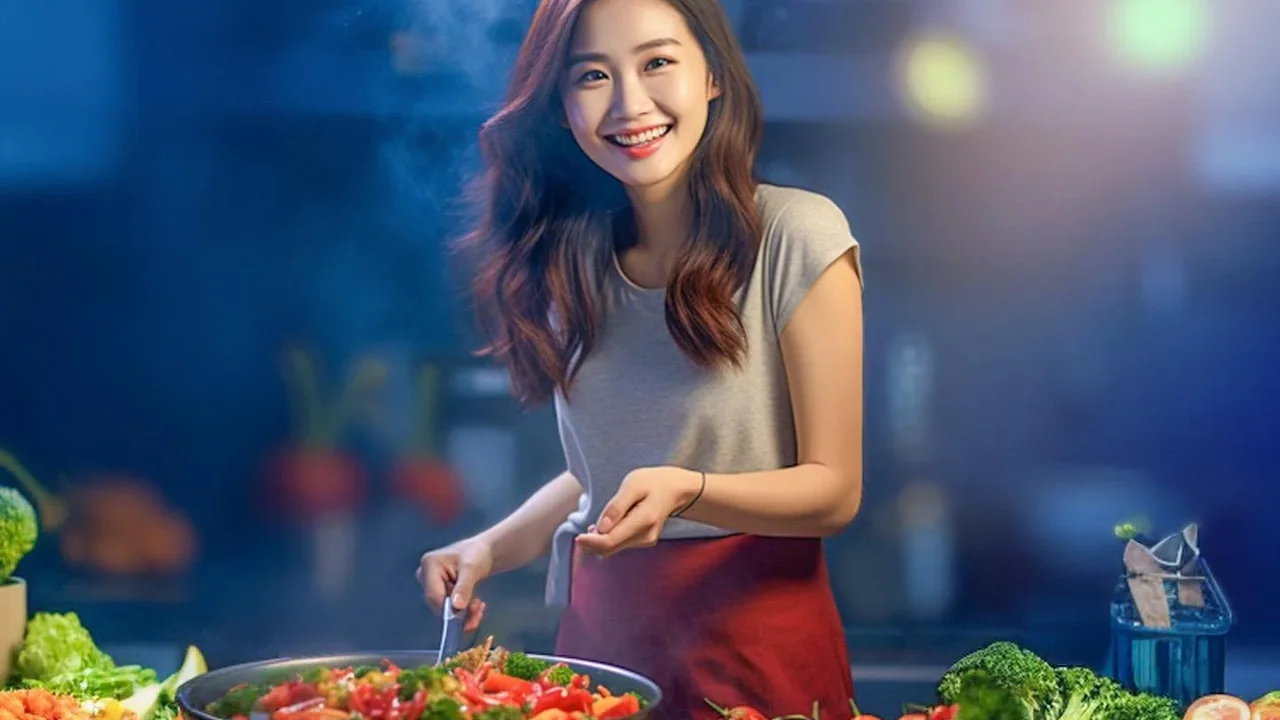
The most celebrated benefit of one-pan cooking is undoubtedly the reduced cleanup. Instead of juggling a pot for grains, a pan for sautéing vegetables, and another for your protein, everything comes together in a single vessel—be it a sheet pan, a skillet,
or a Dutch oven. This streamlined approach means less time spent scrubbing at the sink after dinner and more time enjoying your evening. By containing the entire cooking process to one piece of cookware, you radically simplify the aftermath of your meal, making homemade dinners a more appealing and less stressful option for busy households.
Deeper Flavours, Effortlessly
When all your ingredients cook together, their flavours meld and intensify in a way that separate cooking can't replicate. As vegetables roast, they caramelise and release their natural sugars. Spices and herbs toast and become more aromatic. Any liquid added, whether it's a simple broth or a flavourful sauce, absorbs these developing tastes, infusing every component of the dish. This process creates a depth and complexity of flavour that makes the meal taste like it took hours to prepare. The starches from ingredients like pasta or potatoes can even thicken the sauce, creating a creamy texture without adding extra ingredients.
A Simple Path to Healthy Eating
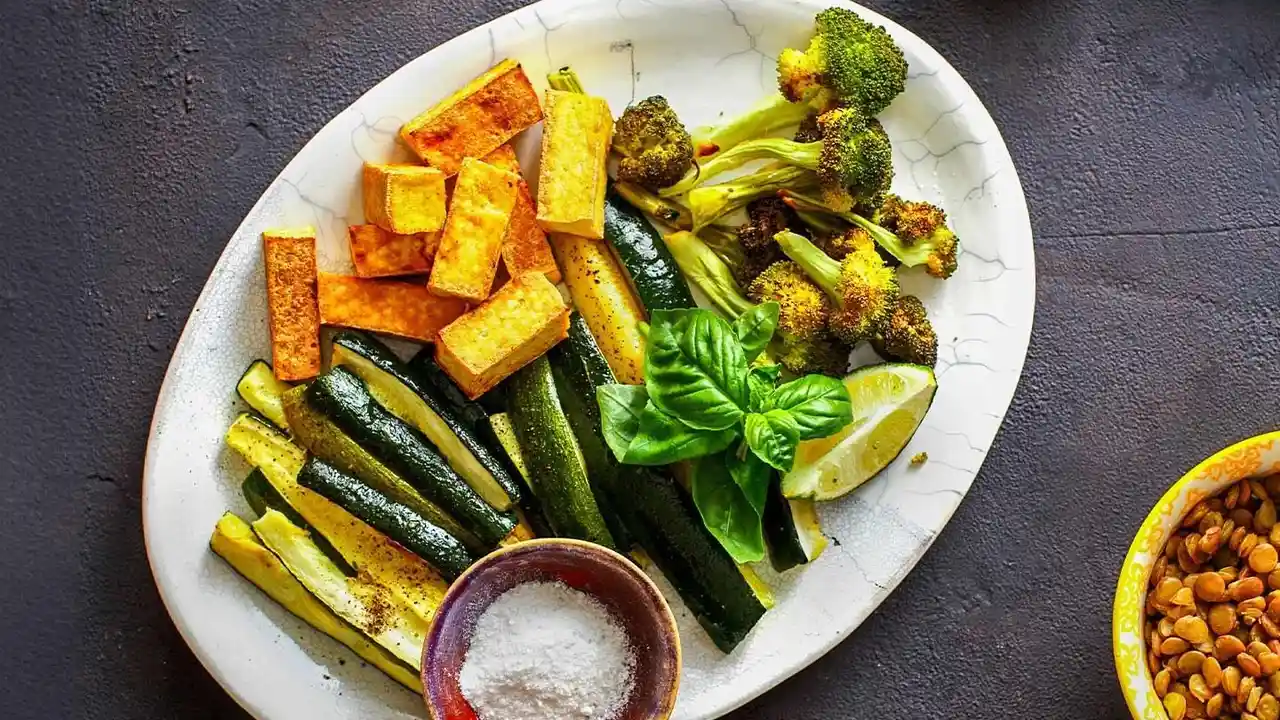
One-pan recipes are a fantastic vehicle for packing more vegetables into your diet. The format naturally lends itself to combining a protein source, like chickpeas or tofu, with a colourful array of produce. Roasting vegetables in a single layer with a moderate amount of oil is a healthy cooking method that can bring out their best taste and texture, encouraging you to eat larger portions. Furthermore, since the entire meal is cooked together, it's easier to control the amount of oil, salt, and fats used. Nutrients that might otherwise be lost in boiling water are retained within the dish, making every bite more wholesome.
Mastering the One-Pan Method
While simple, one-pan cooking has a few key techniques for achieving perfection. One common mistake is overcrowding the pan, which causes ingredients to steam rather than roast, resulting in a soggy texture. To avoid this, give your ingredients space, using two pans if necessary. Another crucial step is to consider the different cooking times of your ingredients. Harder vegetables like potatoes and carrots need a head start in the oven before you add more delicate items like broccoli or bell peppers. Finally, don't be shy with seasoning. Tossing your vegetables and protein in oil and spices before they hit the pan ensures flavour is distributed evenly.
Endless Vegetarian Possibilities
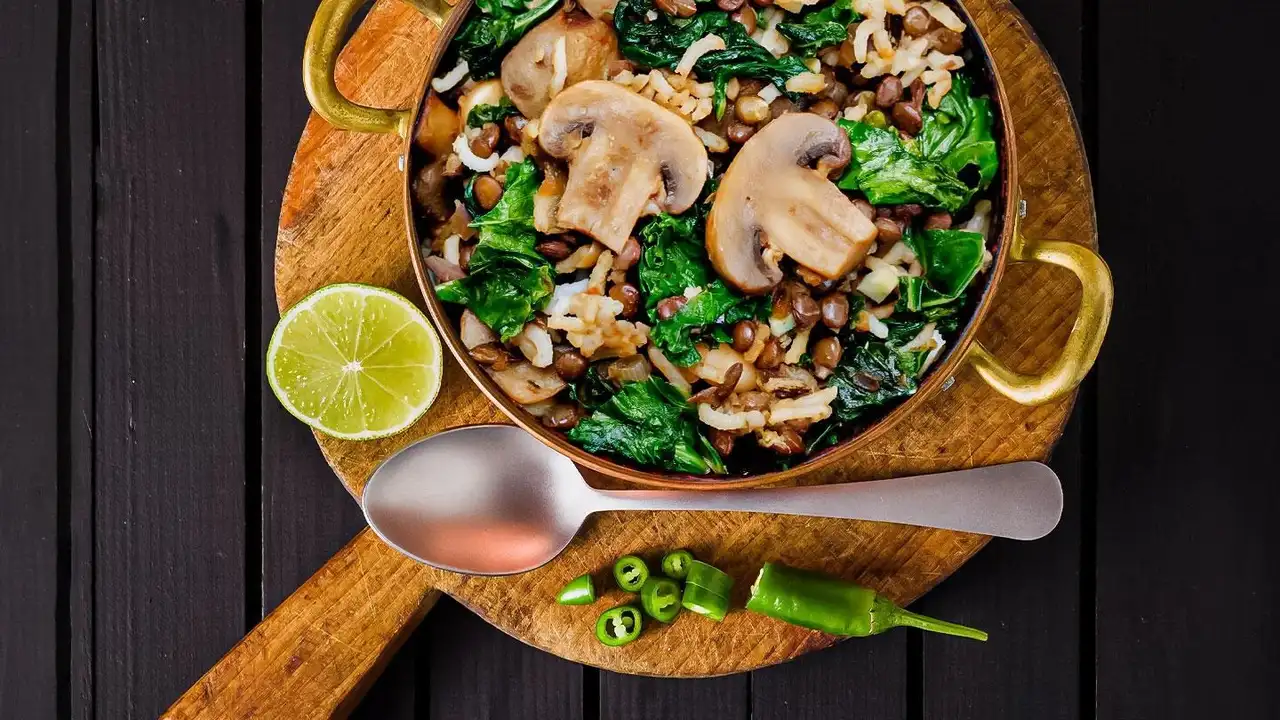
The versatility of one-pan vegetarian cooking is one of its greatest strengths. The same method can be used to create a wide variety of cuisines and flavour profiles. Think of a Mediterranean-inspired sheet pan with roasted red peppers, olives, chickpeas, and feta. Consider a skillet filled with black beans, corn, and spices for quick fajita-style veggies. You can make everything from crispy gnocchi with roasted tomatoes to sheet-pan veggie shawarma. This adaptability ensures that your weeknight dinners are never boring, allowing you to explore different tastes while still enjoying the core benefits of convenience and simplicity.