



Understanding Core vs. Buffer Zones
Most major tiger reserves in India are divided into a core and a buffer zone. The core is a highly protected area with minimal human interference, designed to be a sanctum for wildlife. The buffer zone is the area surrounding the core, where conservation
efforts coexist with human activities like local villages and regulated tourism. During the monsoon, typically from July to September or October, the core zones of most national parks like Corbett, Ranthambore, and those in Central India close. This is done for sound reasons: it's the primary breeding season for many animals, the forest needs to regenerate, and the unpaved tracks become dangerously slippery and flooded. However, the adventure doesn't have to stop, as many buffer zones remain open for tourism.
The Untapped Potential of Buffer Zones
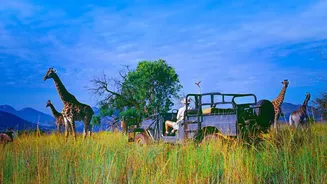
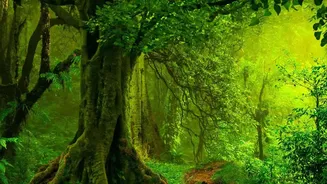
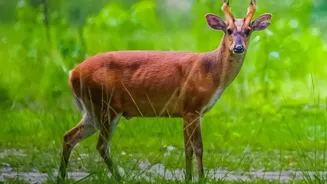
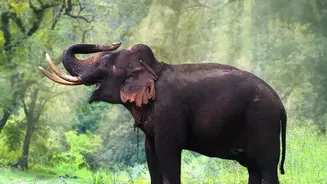
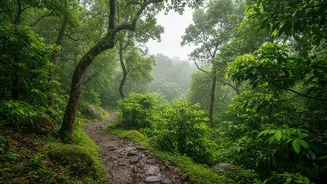
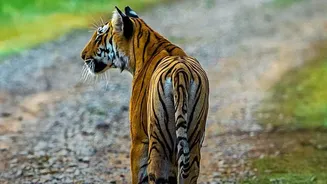
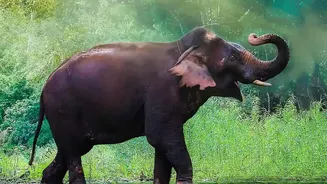
While the core might be famous for high-density wildlife sightings, the buffer zone offers a different, often more serene, experience. Animals don't recognise these man-made boundaries, and tigers, leopards, elephants, and deer move freely between the two areas. Safaris in buffer zones during the monsoon provide a unique opportunity to see the jungle at its most vibrant. The forests are a dazzling green, the air is clean, and there are far fewer tourist vehicles, offering a more peaceful and intimate connection with nature. Parks like Tadoba in Maharashtra and Ranthambore in Rajasthan (zones 6-10) are known for having buffer zones that are very active with wildlife, even during the rains.
Beyond the Jeep: Alternative Adventures
A closed core zone is the perfect excuse to explore nature in new ways. Many areas around national parks offer a host of activities that go beyond a typical jeep safari. Guided nature walks or trekking through designated forest trails can be a rewarding experience, allowing you to notice the smaller wonders—insects, birds, and unique flora—that you might miss from a vehicle. Birdwatching is another fantastic option, as the monsoon is a time of great avian activity. In places like Corbett, you can even engage in activities like river rafting on the Kosi or Ramganga rivers, rappelling, or cycling through scenic village trails. These activities are usually conducted outside the core protected areas and offer a wonderful blend of adventure and nature.
Embrace the Monsoon Landscape
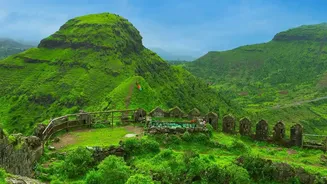
Instead of viewing the monsoon as a hindrance, consider it the main attraction. This season transforms landscapes across India. The Western Ghats, in states like Karnataka and Kerala, become a paradise of lush coffee plantations and misty hills. Places like Coorg and Wayanad are spectacular during this time, with waterfalls like Jog Falls and Abbey Falls at their most powerful. In Central India, hill stations like Pachmarhi, which is also part of the Satpura Tiger Reserve biosphere, offer stunning views of rain-fed streams and cascades. Visiting during the off-season often means better deals on accommodation and a chance to enjoy popular destinations without the crowds, making for a more relaxed and immersive holiday.
Spotlight on Regional Options
When a core zone closes, it pays to know the local alternatives. Near Jim Corbett National Park, the Sitabani and Pawalgarh conservation reserves are excellent options that remain open and have a rich diversity of wildlife. The buffer zones of Jhirna and Dhela also operate year-round. In Madhya Pradesh, the #BufferMeinSafar initiative promotes tourism in the buffer areas of Kanha, Bandhavgarh, and Pench, focusing on nature trails and tribal culture alongside jeep safaris. In Karnataka, parks like Nagarhole (including Kabini) and Bandipur often remain open throughout the year, weather permitting, offering boat safaris and jeep tours in a landscape that thrives in the rain.