


The Challenge of the City Flat
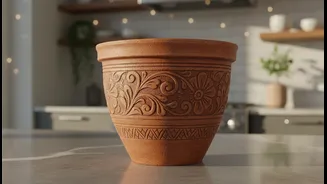
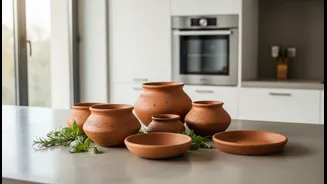
For generations, the large, rustic terracotta matka has been an icon of Indian courtyards and verandas, prized for its natural cooling properties. But in the compact reality of a modern city apartment, these traditional designs often prove impractical.
Their size can overwhelm a small balcony, their porous nature can lead to messy water seepage, and their rustic aesthetic doesn't always align with contemporary interior design trends that favor clean lines and minimalist forms. This created a disconnect: urban dwellers desired a connection to earthy, handcrafted goods, but the traditional forms no longer fit their lifestyle.
A Bridge of Collaboration
Instead of letting this heritage craft fade, a powerful new trend has emerged: collaboration. Urban designers and creative entrepreneurs are travelling to the pottery hubs of Rajasthan, home to artisan communities like the Prajapati and Kumbhar who have worked with clay for centuries. These partnerships are not about replacing old techniques but blending them with new ideas. Designers bring an understanding of urban markets, contemporary aesthetics, and the functional needs of apartment living. Artisans bring generations of mastery over the material, from the unique properties of local clay to intricate, time-honoured firing techniques. The result is a two-way exchange that revitalises the craft from the ground up.
Reimagining Form and Function
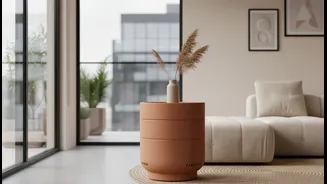
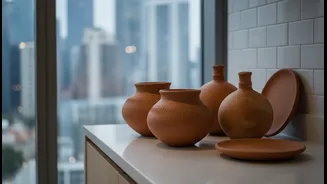
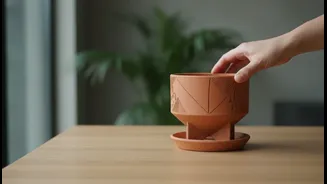
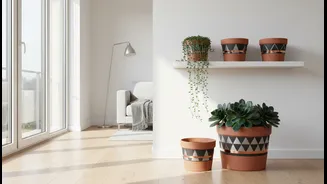
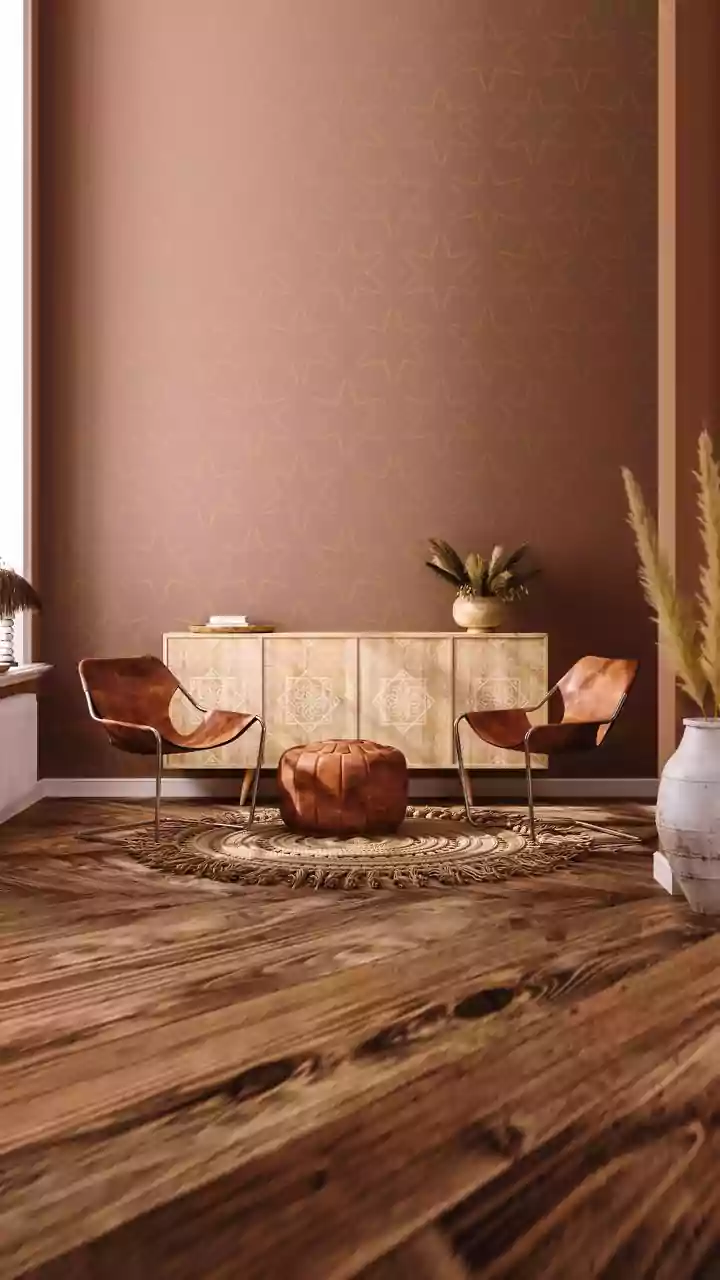
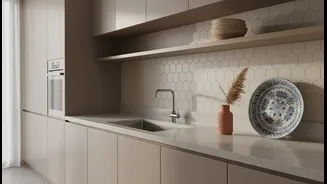
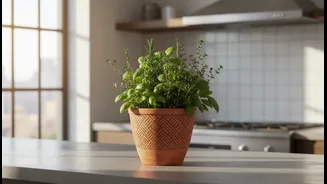
So what do these updated pots look like? The transformation is both aesthetic and practical. Designs are now sleeker, with minimalist shapes and cleaner profiles that complement modern furniture. Planters come in smaller, more modular forms, perfect for windowsills and tight balcony corners. But the innovation goes deeper. Artisans are experimenting with new finishes, including glazes and paints, and even mixed-media designs that incorporate glass or metal. Functionality is also being rethought. Some new designs feature built-in saucers to prevent water damage on indoor floors, while others incorporate self-watering mechanisms for busy city dwellers. The core idea is to retain the soul of terracotta while making it perfectly suited for a contemporary home.
Beyond the Planter Pot
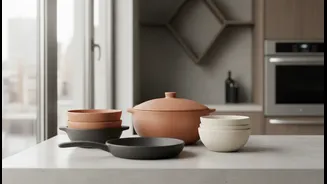
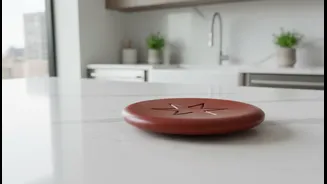
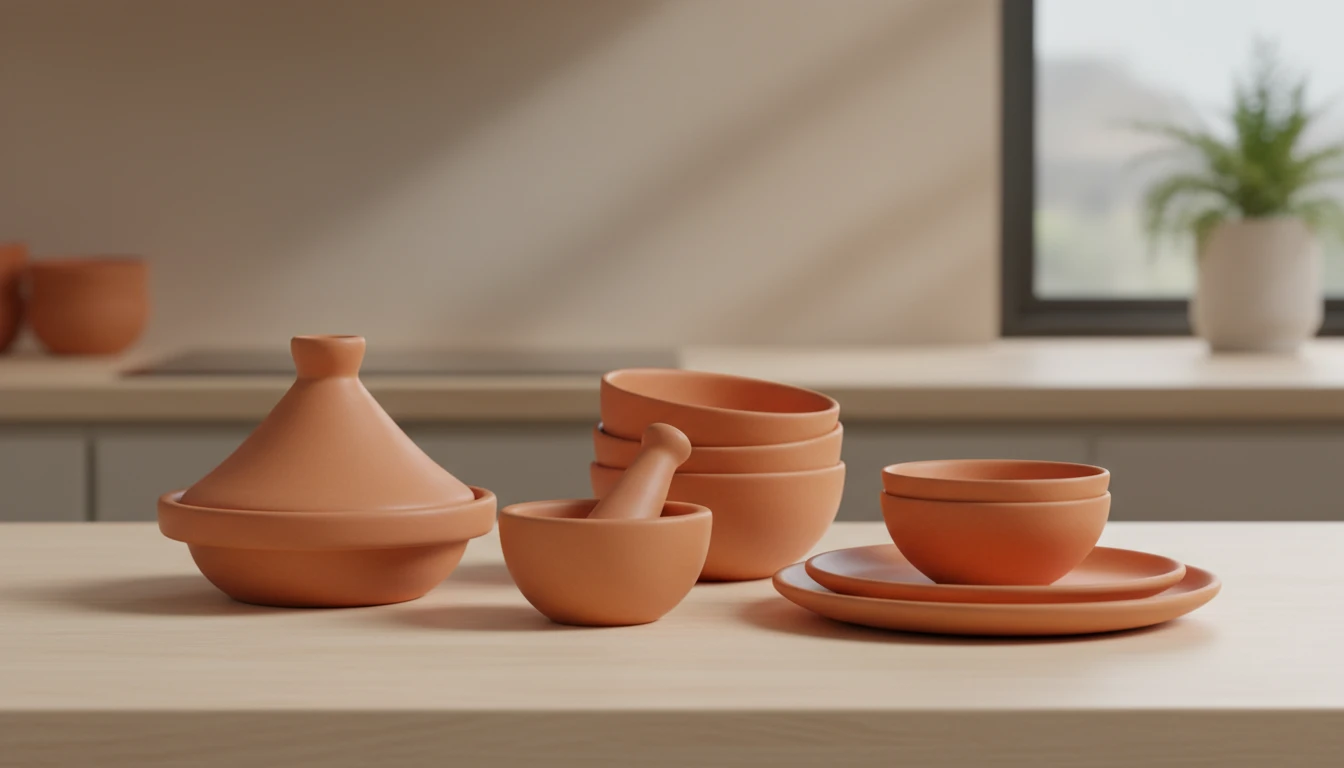
This creative fusion isn't limited to just planters. The collaboration has sparked a wave of innovation, expanding the very definition of what can be made from clay. Today, you can find a wide array of modern terracotta homewares. Handcrafted clay pendant lights and table lamps cast a warm, earthy glow. Minimalist terracotta vases serve as standalone sculptural pieces. Entire tableware collections, from plates and bowls to serveware, are bringing an artisanal touch to urban dining tables. One fifth-generation Rajasthan potter, Om Prakash Galav, even collaborated with fashion designers to create unique clay buttons, showcasing the limitless potential when tradition meets innovative design.
A Sustainable and Cultural Revival
This movement is more than just a design trend; it's a story of cultural and economic sustainability. For artisans, these collaborations provide access to new, larger markets and create a stable source of income, ensuring their skills are valued and passed down. It helps preserve a craft that was at risk of being overshadowed by mass-produced, industrial goods. For consumers, it offers an opportunity to reject generic decor and fill their homes with objects that have a story, a connection to the earth, and a human touch. In an age of increasing environmental awareness, choosing handcrafted, natural terracotta is also a conscious choice for a more sustainable lifestyle.