


The Hidden Hole in Your Wallet
It might not seem like much—a bit of leftover sabzi, some vegetable peels, a few forgotten rotis—but household food waste is a significant financial drain. According to reports, the average Indian household throws away around 55 kg of food every year.
This waste contributes to a staggering national economic loss valued at thousands of crores annually. For an individual family, this translates into lost money that could have been saved or spent elsewhere. Every bit of food that ends up in the bin is essentially throwing away the money spent on buying it, the fuel used to cook it, and the resources that went into growing it. By shifting our perspective, we can plug this leak in our finances.
Adopt a 'Root-to-Stem' Philosophy
Zero-waste cooking is a modern name for a timeless Indian tradition of using every part of an ingredient. Before discarding peels, stems, or seeds, think about how they can be repurposed. This 'root-to-stem' or 'peel-to-plate' approach is not about deprivation; it's about culinary creativity. The tough stems of cauliflower and broccoli can be chopped finely and added to stir-fries or soups. The leafy tops of carrots can be blended into a fresh, nutritious pesto. Even the peels of vegetables like potatoes, gourds, and pumpkins can be turned into delicious chips, chutneys, or curries, a practice common in regional cuisines across India.
Smart Planning and Savvy Shopping
Reducing waste starts before you even turn on the stove. One of the main reasons for household waste is over-purchasing and poor meal planning. To combat this, plan your meals for the week. Check your pantry and fridge before making a shopping list to avoid buying duplicates. When you're at the market, buy loose vegetables and fruits instead of pre-packaged ones, which allows you to purchase the exact quantity you need. Opting for local and seasonal produce not only supports local farmers but also means your food is fresher and has a longer shelf life, giving you more time to use it.
Mastering the Art of Storage
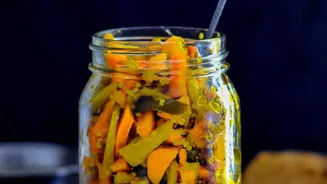
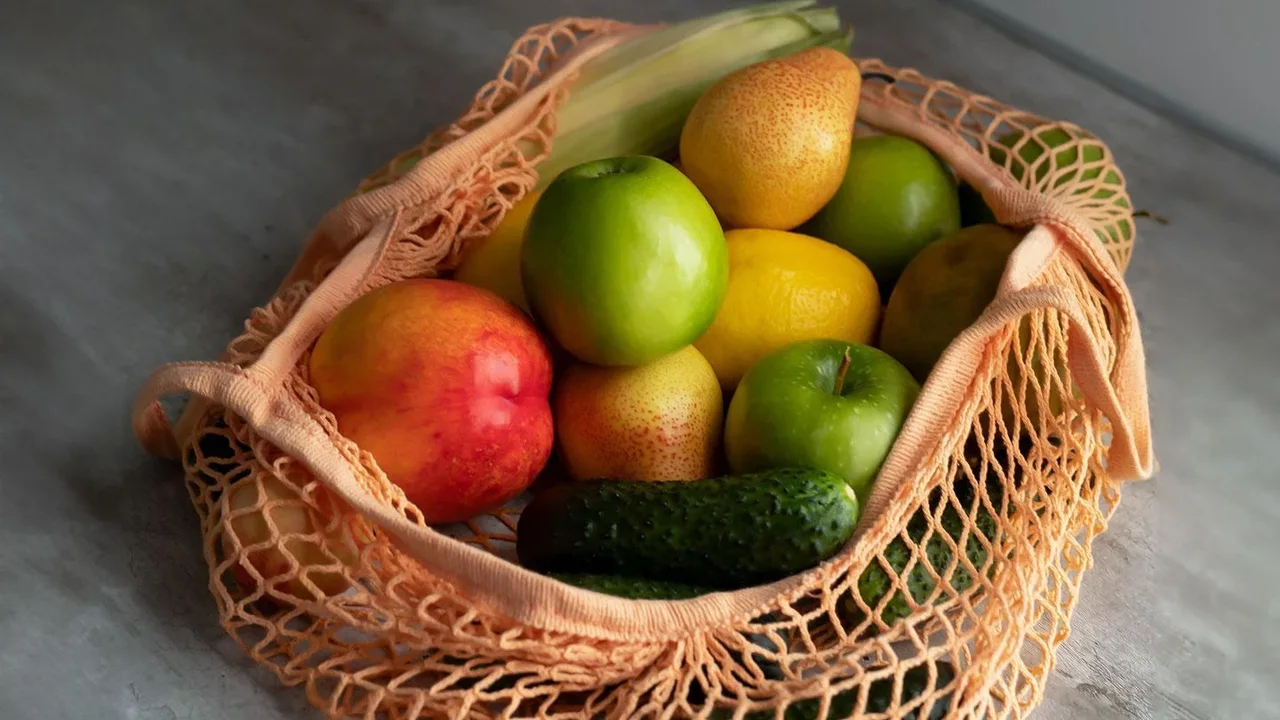
How you store your food is just as important as how you buy it. Improper storage is a major contributor to food spoilage. To keep leafy greens like coriander and mint fresh for longer, wrap them in a damp paper towel or store their stems in a small glass of water in the fridge. Store vegetables in cloth bags instead of plastic to allow them to breathe. Grains, dals, and spices should be kept in airtight containers to protect them from pests and moisture. Understanding the principles of traditional preservation, like sun-drying and pickling, can also help you extend the life of seasonal surpluses.
Give Your Leftovers a Second Life
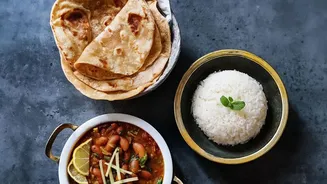
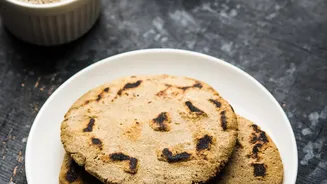
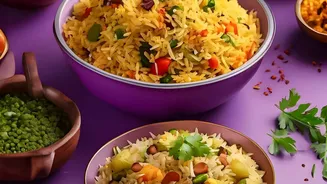
Leftovers don't have to be a boring repeat of yesterday's meal. With a little creativity, they can be transformed into entirely new and exciting dishes. Leftover rice is the perfect base for fried rice, pulao, or crispy vadas. Extra dal can be kneaded into dough to make nutritious parathas or used as a flavourful base for soup. Cooked vegetables can be mashed and used as a filling for sandwiches, dosas, or samosas. Even the thick rind of a watermelon, often discarded, can be used to make a tasty sabzi or dosa batter, a tradition in coastal Karnataka. Thinking of leftovers as ingredients rather than just 'old food' is key.