


The Silent Damage of Sitting
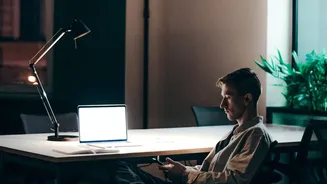
Many of us spend a large part of our day sitting, whether at a desk, commuting, or relaxing at home. While it seems harmless, this extended inactivity takes a toll on our weight-bearing joints, especially the hips, knees, and spine. When we sit, our joints are
held in a static, flexed position for hours. This can lead to stiffness and reduced circulation of synovial fluid, the body's natural joint lubricant. Without regular movement, this fluid doesn't circulate effectively, which can contribute to joint aches and swelling. Furthermore, prolonged sitting often encourages poor posture, like slouching, which puts uneven pressure on the spinal discs and can lead to chronic back pain and even premature degeneration. This constant, low-level stress can, over time, contribute to wear-and-tear conditions like osteoarthritis.
When Protective Muscles Go to Sleep
One of the most significant consequences of a sedentary lifestyle is what happens to our muscles. Specifically, prolonged sitting leads to the weakening of crucial muscle groups that are designed to support our skeleton. The most notable victims are the gluteal muscles. This phenomenon is sometimes called 'gluteal amnesia' or 'dead butt syndrome'. It doesn't mean the muscles have vanished, but rather that the brain-muscle connection has become inefficient due to lack of use. When you sit for hours, your glutes are inactive and stretched, while the muscles at the front of your hips, the hip flexors, become short and tight. This imbalance means the glutes 'forget' how to activate properly when you stand up or move, forcing other, smaller muscles to compensate, leading to strain in the lower back, hips, and even knees.
Your Body's Natural Armour
Strong muscles are the best defence for your joints. They act as dynamic shock absorbers and stabilisers, taking pressure off the cartilage and bones. For the knees, strong quadriceps (front of thigh) and hamstrings (back of thigh) help control movement and absorb impact, while strong glutes ensure the knee tracks properly without drifting inward. When these muscles are weak, the knee joint itself is forced to absorb more force with every step, accelerating wear and tear. Similarly, your spine relies heavily on a strong 'core'—the network of muscles in your abdomen, back, and pelvis. A strong core acts like a natural corset, stabilising the spine and maintaining good posture, which reduces the load on your vertebral discs. When your core is weak, your spine is less supported, making it more vulnerable to the strains of daily life, especially the long hours spent in a chair.
Waking Up Your Muscles at Work
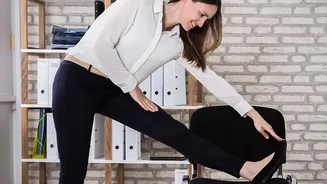
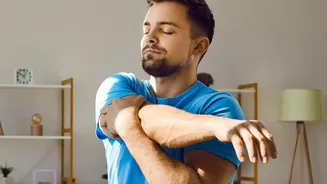
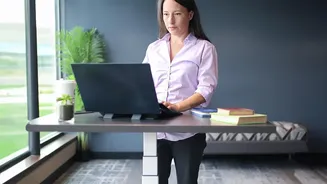
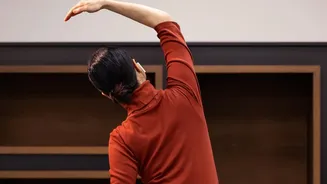
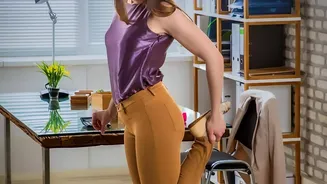
The good news is that you don't need to quit your desk job to protect your joints. The key is to counteract prolonged inactivity with conscious movement and simple strengthening exercises. The first step is to simply sit less. Set a reminder to stand up, stretch, and walk around for a few minutes every 30 to 60 minutes. This small habit can improve circulation and relieve joint stiffness. To specifically target those sleepy glutes and core, you can incorporate discreet exercises right at your desk. Try glute squeezes: simply squeeze your buttock muscles, hold for a few seconds, and release. Repeat this throughout the day to remind them to fire. Seated leg lifts and core rotations can also help engage abdominal muscles.
Simple Exercises for Joint Protection
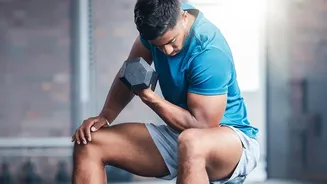
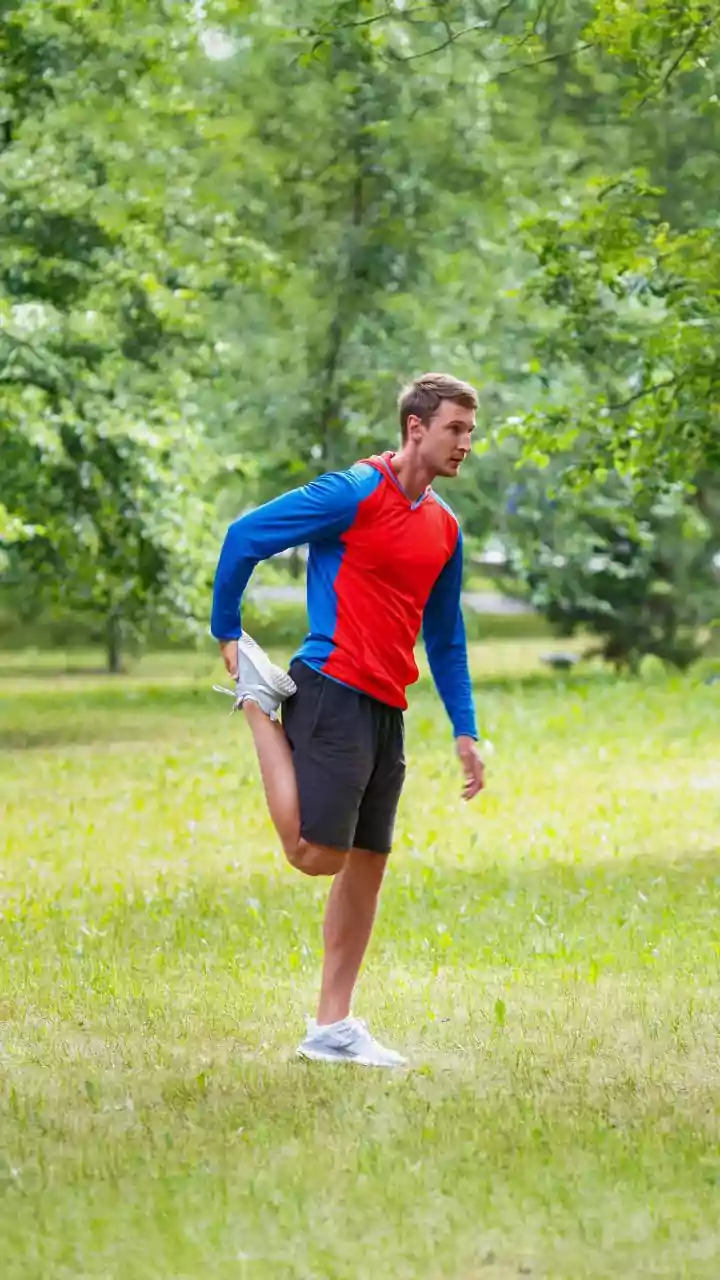
Beyond a few desk-side movements, dedicating a small amount of time to targeted exercises can make a huge difference. You don’t need a gym membership to build this muscular armour. Bodyweight exercises are highly effective. Incorporate squats and lunges into your routine to strengthen the glutes, quads, and hamstrings simultaneously. Bridges are excellent for activating the glutes and hamstrings: lie on your back with knees bent, and lift your hips toward the ceiling. To build core stability, planks are a fantastic choice. Even simple stretches like a hip flexor stretch, where you kneel on one knee and gently push your hips forward, can help undo the tightening effects of sitting and allow your glutes to function properly.