






The Gokarna That Was
For years, the small temple town of Gokarna in Karnataka wore two hats. By day, it was a significant Hindu pilgrimage site. By night, and especially along its secluded beaches like Kudle and Om, it morphed into a laid-back party destination. It attracted
a steady stream of international and domestic travellers looking for the vibrant, unregulated energy that characterised Goa in its earlier days. Beach shacks played trance music, bonfires dotted the coastline, and the vibe was unapologetically bohemian. This reputation defined Gokarna as a place to escape, to party, and to live cheaply, if only for a weekend.
A Conscious Shift in Travel
The travel landscape in India, and indeed globally, is undergoing a significant transformation. The post-pandemic era has seen a surge in 'wellness tourism'—a trend where travellers actively seek holidays that restore their physical and mental well-being. Exhausted by urban hustle, screen fatigue, and daily stress, many are now prioritising rest over revelry. This global shift is palpable in destinations like Gokarna. The demand is no longer just for a party, but for peace, nature, and rejuvenation. This change in tourist preference, coupled with a growing environmental consciousness, has paved the way for a new chapter in Gokarna's story.
Sunrise Salutations Over Sunset Raves
The clearest sign of Gokarna's evolution is the proliferation of yoga and wellness retreats. Establishments like SwaSwara and Namaste Yoga Farm are emblematic of this new identity. Situated near Om and Kudle beaches, these retreats are built around principles of holistic well-being, offering daily yoga classes, meditation sessions, and Ayurvedic treatments. The soundscape is shifting from electronic beats to the gentle rhythm of waves and birdsong. Visitors now start their day with Hatha yoga on an open-air deck or meditation under a banyan tree, experiences that are often included with their stay. This focus on mindfulness is attracting a different demographic—one that seeks inner calm over nocturnal chaos.
The Rise of Eco-Conscious Stays
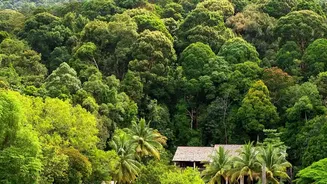
Hand-in-hand with wellness comes a commitment to sustainability. The headline's 'eco-lodges' point to a growing market for responsible tourism. New and established properties are championing eco-friendly practices. SwaSwara, spread over 26 acres, is designed to be in harmony with nature, promoting sustainable living alongside its wellness programs. Namaste Yoga Farm offers rustic treehouses and eco-cottages, giving guests an experience immersed in nature. These lodges are often built using local materials and architectural styles that minimise environmental impact, a stark contrast to the temporary shacks of the past and a move away from the unsustainable construction seen in other tourist-heavy areas.
Who is the New Gokarna For?
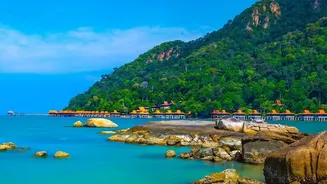
While backpackers on a shoestring budget can still find their place, Gokarna is now increasingly appealing to young professionals, couples, and families from cities like Bengaluru and Mumbai. This new wave of weekenders is willing to spend more on experiences that offer comfort, peace, and wellness. They are drawn by the promise of a 'digital detox' and a chance to reconnect with nature. The focus has shifted from finding the cheapest shack to booking a villa with an ocean view or a cottage nestled in greenery. The 'new' Gokarna tourist is less interested in all-night parties and more in beach treks, healthy, organic meals, and quiet sunsets.