



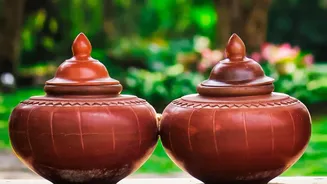
What Exactly is an Olla?
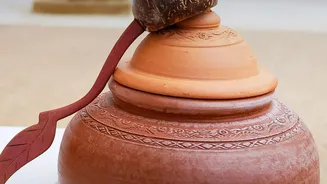
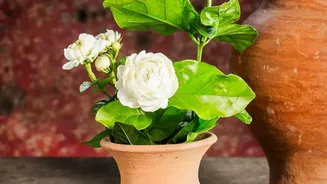
An olla (pronounced 'oy-yah') is an unglazed, porous terracotta pot that is buried in soil and filled with water. This method of irrigation is not a new trend; it's an ancient technique that has been used for over 4,000 years in various cultures to water crops
efficiently in arid regions. The principle is brilliantly simple: bury the vessel in a container or garden bed, leaving only its neck exposed. When filled, the olla acts as a subterranean reservoir, allowing you to water your plants from below the surface.
The Science of Seepage
The magic of the olla lies in its porous, unglazed clay walls. This isn't just a container that leaks; it's a smart hydration system. Water moves through the micro-pores of the clay via a process called soil moisture tension. Essentially, as the soil around the pot dries, plant roots create a suction force, pulling water out of the olla. When the soil is moist, for instance after a rain, the water stays inside the vessel. This means the plants draw out exactly the amount of water they need, when they need it, preventing the common problems of both over- and under-watering.
Why Ollas Are Perfect for Balconies
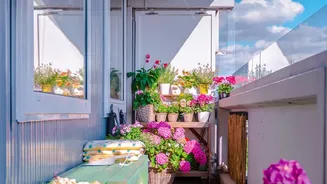
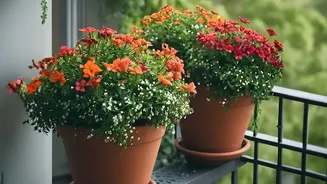
Balcony and rooftop gardens face unique challenges. They are often exposed to more wind and direct sun, causing containers to dry out much faster than in-ground beds. Ollas are particularly effective in these environments. By delivering water directly to the root zone, they virtually eliminate water loss from surface evaporation and runoff, which can be a significant issue in windy, exposed locations. This can conserve up to 70% of the water compared to surface watering. Furthermore, this deep watering encourages stronger, more resilient root systems, as roots grow down toward the consistent water source rather than clustering near the surface. A drier soil surface also discourages weed growth and can deter some common garden pests like slugs.
Choosing and Using an Olla in a Pot
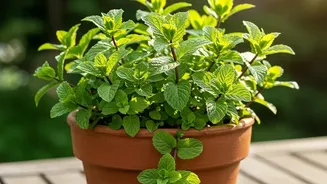
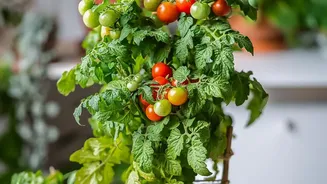
Using an olla in a container is straightforward. For balcony pots, you'll need to select a container large enough to accommodate both the olla and your plants; a pot that is at least 12-16 inches in diameter is a good starting point. Simply dig a hole in the center of your pot, place the olla so that its neck is just above the soil line, and plant your thirstiest plants, like tomatoes or herbs, around it. Gently pack the soil around the olla to ensure good contact, as air pockets can stop the water from seeping correctly. Always place a lid on the olla's opening—many come with one, but a simple stone or a small saucer works too. This prevents evaporation and stops mosquitoes from breeding in the standing water.
Maintenance and Things to Consider
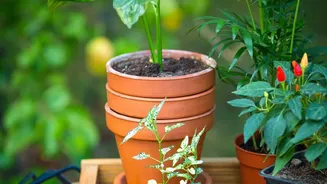
Olla maintenance is minimal. Depending on the weather and the needs of your plants, you will likely need to refill the olla every few days to once a week. It is important to only use water in your olla; adding liquid fertilizer can clog the clay's pores over time. If you live in an area with freezing winters, it is best to remove your ollas from the pots at the end of the season, clean them, and store them indoors to prevent cracking. While you can purchase purpose-made ollas, you can also create your own by sealing the drainage hole of one unglazed terracotta pot and gluing it rim-to-rim with another, creating a larger, sealed vessel.