
Embrace the Golden Rule: First-In, First-Out
The single most effective strategy for reducing food waste at home is a system used by professional kitchens and grocery stores: First-In, First-Out, or FIFO. The principle is simple: the first items that go into your pantry, fridge, or freezer should
be the first ones you use. When you unpack new groceries, you move older items to the front and place the new ones behind them. This ensures that food with the soonest expiration date is always visible and easy to grab, preventing it from getting lost and spoiling. Making FIFO a habit is the foundation of a kitchen that runs smoothly, saves money, and keeps food fresh.
Conquer the Pantry with Visibility
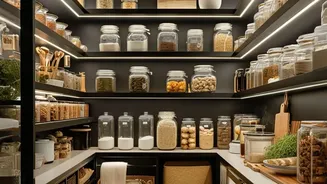
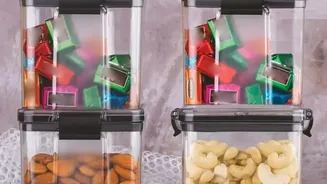
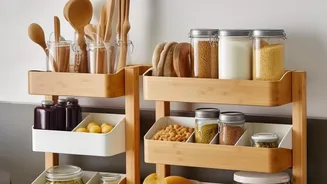
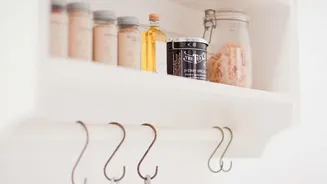
The pantry is often where good intentions go to be forgotten. To implement a FIFO system here, start by taking everything out. Group similar items together, check expiration dates, and give your shelves a good wipe-down. The key to a functional pantry is visibility. If you can't see an item, you're unlikely to use it. Transfer staples like rice, pasta, and flour into clear, airtight containers. This not only keeps them fresh but also lets you see your inventory at a glance. For canned goods and jars, use tiered shelves to elevate items in the back, making them visible. You can also create a designated 'use-first' bin for items that are nearing their expiration date or have been opened. This simple visual cue reminds everyone in the household what needs to be eaten next.
Tame the Refrigerator Hot Zones
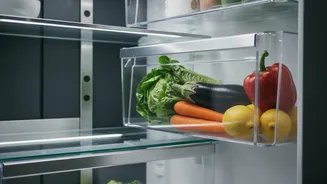
The refrigerator is ground zero for rapid food spoilage. Start by designating a specific shelf or a clear bin as your 'eat-first' zone. This area, placed front and center at eye level, is for leftovers, opened dairy products, and produce that needs to be used quickly. When you unload groceries, rotate the older items into this zone and place new ones behind them. Grouping similar foods helps maintain order; use clear bins to corral yogurts, cheeses, or deli meats. This contains potential messes and allows you to pull out a whole category at once. Remember to store ready-to-eat foods on upper shelves and raw meats on the bottom shelf to prevent cross-contamination. A weekly check-in before you shop helps you take stock of what’s in the 'eat-first' zone and plan meals around it.
Master the Freezer for Long-Term Success
A freezer can feel like a black hole, but a good system prevents food from succumbing to freezer burn. As with other areas, start by emptying it out and grouping items. Label everything you put in the freezer with the item's name and the date it was stored. This is non-negotiable for long-term storage. Use sturdy, stackable freezer-safe bins or reusable bags to create zones for meats, vegetables, fruits, and prepared meals. For chest freezers, which can be challenging, a system of labeled bags or bins that you can lift out is essential to reach items at the bottom. When you add new items, make sure the older ones are stacked on top or placed in the front of the bin. Keeping an inventory list taped to the freezer door can also be a game-changer, letting you see what you have without having to dig through the cold.