





The 6 PM Scramble
We've all been there. You’ve just wrapped up a long day of work, managed household chores, or wrangled the kids, and suddenly you realise you have no plan for dinner. The motivation to chop, sauté, and simmer is non-existent. In this moment of decision
fatigue, the allure of expensive and often unhealthy takeaway is strong. This daily dinner dilemma is a significant source of stress for many households. But what if you had a secret weapon, a pre-approved plan that required almost zero mental energy? This is the core idea behind dedicating one slot in your weekly meal plan to an “emergency” meal. It’s not about admitting defeat; it’s about planning for reality.
Defining the 'Emergency' Dinner
An emergency dinner isn’t just any quick meal; it's a strategic, pre-planned option built entirely from pantry, fridge, or freezer staples that you always have on hand. The key is that it requires minimal preparation and, most importantly, zero last-minute decisions. Think of it as a complete meal-in-waiting. The ingredients are shelf-stable or long-lasting, like canned beans, pasta, jarred sauces, frozen vegetables, or eggs. The goal is to have a handful of go-to recipes that you can execute on autopilot, transforming that moment of panic into a calm, controlled process. This isn't about stocking up for a catastrophe, but rather about creating a buffer for the everyday chaos that life throws your way.
More Than Just a Quick Fix
Incorporating an emergency meal into your routine offers benefits that extend far beyond simply getting food on the table. Firstly, it’s a powerful tool for reducing stress. Meal planning in itself is known to ease the mental load, and having a fallback option makes the whole process more flexible and less rigid. Secondly, it’s a significant money-saver. A simple pantry meal is almost always cheaper than ordering from a restaurant or relying on convenience foods. It also helps you stick to your health goals by providing a wholesome alternative to fast food. Finally, it combats decision fatigue. By making the decision ahead of time when you are calm and rested, you preserve your mental energy for other tasks at the end of a long day.
Building Your Emergency Meal Kit
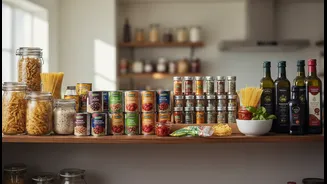
A well-stocked pantry is the foundation of any successful emergency dinner plan. You don’t need a huge amount of space, just a curated collection of versatile ingredients. Start with a base of starches like pasta, rice, quinoa, or even tortillas. Add proteins such as canned tuna, salmon, chickpeas, or other beans. A variety of canned or frozen vegetables ensures you can always add nutrients and colour; think corn, peas, spinach, and diced tomatoes. Finally, stock up on flavour boosters: jarred pasta sauce, curry paste, coconut milk, broth, and your favourite spices are all excellent choices. With these components on hand, you have the building blocks for dozens of different quick meals.
Five Emergency Dinners to Get You Started
Ready to put the theory into practice? Here are five simple, low-effort emergency dinner ideas: 1. Pantry Pasta: Combine cooked pasta with a jar of quality tomato sauce, a can of chickpeas or white beans, and some frozen spinach. Top with cheese if you have it. 2. Quick Quesadillas or Tacos: Fill tortillas with canned black beans, corn, and cheese. Pan-fry until golden and serve with salsa. 3. Upgraded Omelette: Eggs are a fast and reliable source of protein. Whisk a few with a splash of milk and whatever sad-looking vegetables or leftover cooked meat you have in the fridge. Serve with toast. 4. 15-Minute Curry: Simmer a can of coconut milk with a spoonful of Thai curry paste. Add canned chickpeas and a bag of frozen mixed vegetables. Let it bubble for 10-15 minutes and serve over quick-cooking rice. 5. Savory Grain Bowls: Start with a base of pre-cooked or quick-cooking quinoa or rice. Top it with canned tuna or salmon, canned corn, and a simple dressing of olive oil and vinegar.