



The New-Look Shopping Cart
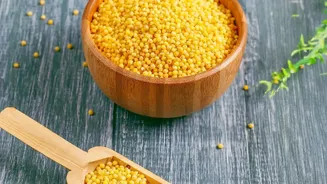
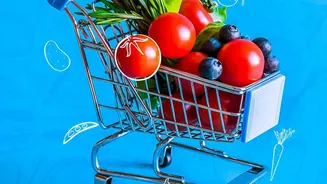
Walk through any major supermarket today, and the evidence is clear. Shopping carts are increasingly filled with items that were once considered niche. Ancient grains like millets (jowar, bajra, ragi) are making a major comeback, not just in their raw
form but integrated into modern foods like cookies, dosa mixes, and breakfast cereals. They are finding favour over some refined flour staples. Similarly, protein is a new priority. Greek yoghurt is replacing sugary versions, while makhana (foxnuts) stands in for fried namkeen and potato chips as a go-to snack. The organic food section, once a small corner, is now a significant feature in many stores, with sales of organic fruits, vegetables, and staples growing rapidly. Market reports project the Indian organic food market to grow significantly, with some estimates suggesting a compound annual growth rate (CAGR) of over 19% in the coming years. This shift extends to plant-based alternatives, with a growing demand for vegan products and meat substitutes.
The Drivers of a Green Wave
This transformation isn't happening in a vacuum. A primary driver is a heightened sense of health consciousness, significantly accelerated by the COVID-19 pandemic, which pushed immunity and preventive health to the forefront. Consumers are more aware of the links between diet and lifestyle diseases like diabetes and heart conditions, prompting a shift toward foods perceived as safer and healthier. This awareness is amplified by social media, where health influencers and food bloggers play a significant role in shaping dietary habits and introducing consumers to new wellness trends like 'proteinmaxxing' and 'fibremaxxing'. Digital platforms are where many shoppers now discover new products. Additionally, rising disposable incomes in urban and semi-urban areas are empowering households to invest in premium and nutrient-dense foods. Government initiatives, such as the promotion of 2023 as the 'International Year of Millets', have also boosted awareness and encouraged consumption of traditional superfoods.
How Brands and Retailers Are Responding
The food industry has been quick to respond. Supermarkets and hypermarkets are the dominant channel for this trend, dedicating more shelf space to organic and healthy products and even creating entire sections for wellness foods. Chains like Nature's Basket and Foodhall, along with larger retailers, have become key destinations for health-conscious shoppers. The market has also seen an explosion of direct-to-consumer (D2C) brands and startups offering everything from organic staples to plant-based dairy and protein bars. Legacy companies like ITC and Parle are also innovating, launching baked versions of their snacks and millet-based product lines to cater to the demand. This has led to a focus on 'clean labels', with consumers actively seeking transparent ingredient lists and non-GMO products. The rapid growth of e-commerce and quick-commerce platforms has further democratised access, making these products available not just in metros but also in tier-2 and tier-3 cities.
The Price of Wellness
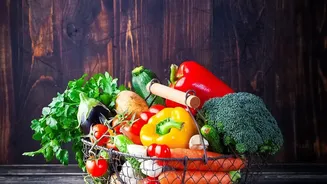
A crucial question remains: is this trend only for the affluent? While premium products like quinoa and avocados are part of the narrative, the movement is broader. A significant aspect of this trend is the rediscovery of local, traditional, and inherently affordable 'superfoods'. Millets, lentils, and seasonal local vegetables are nutritional powerhouses that are often more budget-friendly than their imported counterparts. Many consumers are realising that healthy eating doesn't have to mean expensive eating. In fact, shopping at local mandis for seasonal produce can be 20-30% cheaper than buying from supermarkets. However, the perception that healthy means costly persists, and certified organic products do command a premium. As the market matures, the challenge for brands will be to bridge this gap and make nutritious, clean-label products accessible to a wider range of income groups, moving beyond the urban elite.