





India’s Towering Waste Problem
It’s a sight familiar to anyone living in an Indian city: overflowing community bins and landfills that stretch like mountains on the horizon. According to government estimates, urban India generates over 1.5 lakh metric tonnes of solid waste every day.
A staggering 50-60% of this is organic or ‘wet’ waste—the food scraps from our kitchens. When this organic matter gets dumped in landfills and deprived of oxygen, it rots and releases methane, a potent greenhouse gas that contributes significantly to climate change. This isn't just an environmental issue; it’s a public health crisis, polluting our air, water, and soil. For decades, the solution seemed out of individual hands, a problem for municipalities to solve. But that mindset is beginning to change, one household at a time.
The Rise of the Digital Gardener
The term 'viral' isn't just for dance challenges anymore. On Instagram, you'll find countless reels showing the satisfying transformation of vegetable peels into rich, dark compost. YouTube is filled with tutorials on setting up vermicompost bins on apartment balconies. Neighbourhood WhatsApp and Facebook groups are buzzing with tips, troubleshooting, and pictures of proud 'parents' showing off their first batch of homemade manure. This isn't your grandmother’s backyard compost pile. The new wave of composting is urban, tech-savvy, and aesthetically pleasing. Influencers and everyday citizens are demystifying the process, proving that you don’t need a large garden or specialised knowledge to start. They’ve made sustainability look accessible, desirable, and surprisingly simple.
How Does Composting Work?
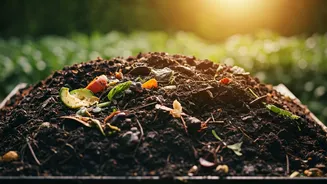
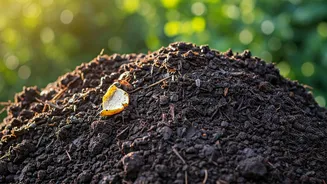
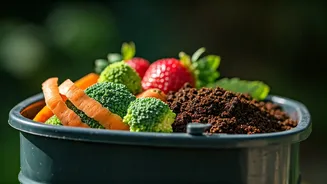
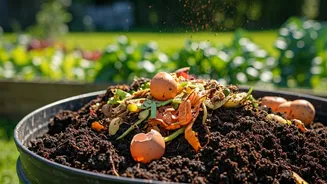
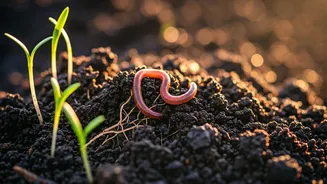
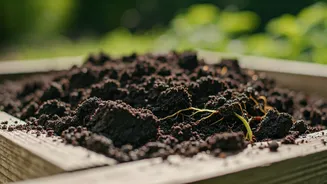
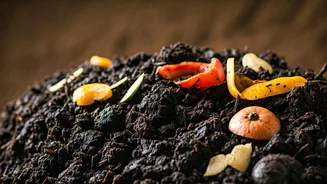
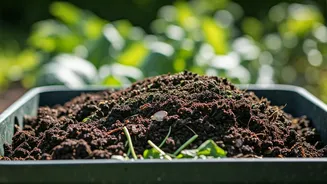
At its core, composting is nature’s recycling program. It’s the process of breaking down organic materials—like fruit and vegetable scraps, eggshells, coffee grounds, and dry leaves—into a nutrient-rich soil conditioner. Microorganisms like bacteria and fungi do all the heavy lifting. All you need to do is provide them with the right environment: a mix of ‘greens’ (nitrogen-rich materials like kitchen scraps) and ‘browns’ (carbon-rich materials like dried leaves, cardboard, or coco peat). In an urban setting, this is often done in a compact container, from a simple terracotta pot (the 'khamba' method) to specialised bins for Bokashi (a fermentation method) or vermicomposting (using earthworms). The end result, after a few weeks or months, is a dark, earthy-smelling substance that gardeners affectionately call 'black gold' for its ability to enrich soil and help plants thrive.
More Than Just Reducing Waste
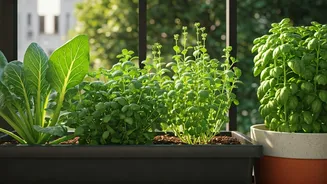
While diverting waste from landfills is the primary driver, the composting movement is fuelled by a deeper set of motivations. For many, it’s a tangible way to combat climate anxiety and take personal responsibility for their environmental footprint. It fosters a connection to the food cycle, making people more mindful of what they consume and discard. The boom in urban gardening and growing one's own herbs and vegetables has also made homemade compost a coveted resource. It saves money on store-bought fertilisers and produces healthier, chemical-free food. Furthermore, it creates a sense of community, connecting neighbours who share tips, excess compost, and a common goal for a cleaner city.
Getting Started Is Surprisingly Easy
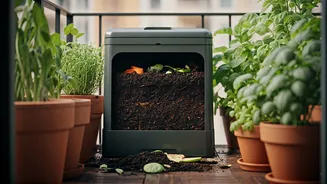
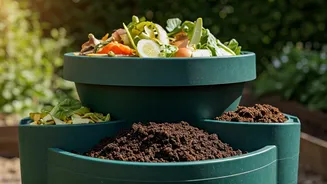
The biggest myth about composting is that it’s complicated, smelly, and requires a lot of space. The truth is, modern composting methods are designed for city living. A popular starting point in India is the three-pot system, where pots are stacked to allow for easy rotation and aeration. Vermicomposting bins are compact and odourless when managed correctly, perfect for balconies. Bokashi composting is an even faster, space-saving method that pickles your kitchen waste before it’s buried in soil. The key is to start small. Begin by collecting your kitchen scraps in a separate container. Do a little research online, find a method that fits your space and lifestyle, and don’t be afraid to ask for help from the thriving online communities. Your first batch might not be perfect, but every peel you save from the landfill is a small victory.