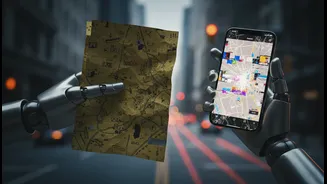









The Allure of the Algorithm
In an age where we use technology for everything from ordering food to finding a life partner, it’s no surprise that AI has stormed the world of travel planning. A recent Agoda report found that while a third of Indian travellers already use AI for planning,
nearly 70% are likely to use it for their next trip. And why not? The appeal is obvious. These tools can generate destination ideas, compare flight costs, and draft a day-by-day itinerary in seconds, saving hours of tedious research across dozens of browser tabs. For popular destinations like Manali, AI can even replicate the standard tourist circuit with surprising accuracy, identifying the same key attractions a human agent would. This convenience offers a fantastic starting point, especially for travelers exploring a new region and looking for a broad orientation.
When Digital Knows Best, Until It Doesn't
The problem is that AI planners work with publicly available data, which can be outdated or simply wrong. This leads to what the tech industry calls “hallucinations,” where the AI presents false information as fact. One travel writer recounted how an AI confidently recommended a seafood restaurant that had permanently closed over two years prior. Another study found that nearly a third of travelers who used AI for planning received false or misleading information. This can be as minor as incorrect opening hours for a museum or as significant as non-existent Broadway show times. These bots build itineraries based on data, but they lack the ability to verify it in real-time, often missing crucial details about seasonal closures, booking requirements, or sudden changes.
The Unseen Nuances of Reality
The biggest gap in AI's knowledge is its complete lack of understanding of local context. An algorithm can find a cheap hotel, but it can't tell you if it's located in a neighbourhood that feels unsafe after dark. It can map the fastest route, but it has no idea that a local festival has shut down that exact road. In India, for example, a bot is unaware of the complex web of inter-state vehicle taxes or that road conditions in the Himalayas can change in an instant, making a suggested route impassable. This lack of cultural nuance is a significant blind spot. An AI might recommend a generic tourist trap while missing the authentic local eatery just a block away that doesn't have a flashy online presence. It cannot grasp the emotional pacing of a journey, the importance of downtime, or the specific accessibility needs of a traveler with mobility issues.
A Hybrid Approach: The Smart Traveler’s Guide
This doesn't mean you should delete your travel apps. The consensus among experts is not to abandon AI, but to use it smartly as a powerful assistant, not a flawless expert. Use AI for what it excels at: initial research, flight comparisons, and generating a rough framework for your trip. But for the details that matter, you must become your own fact-checker. Always verify key information like hotel addresses, opening times, and prices on official websites before booking. Use the bot to generate ideas, but then cross-reference those ideas with travel blogs, forums, and recent reviews from actual humans. Most importantly, leave room for spontaneity. Some of the best travel moments come from a local's recommendation or a chance discovery—something no algorithm can schedule.