

Tired of spending a small fortune on colourful boxes of breakfast cereal that are high in sugar and low on nutrition? It might be time to look back to a wiser, more affordable tradition: starting your day with whole ancient grains.
What Are Ancient Grains?
The term 'ancient grains'
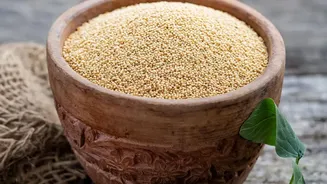
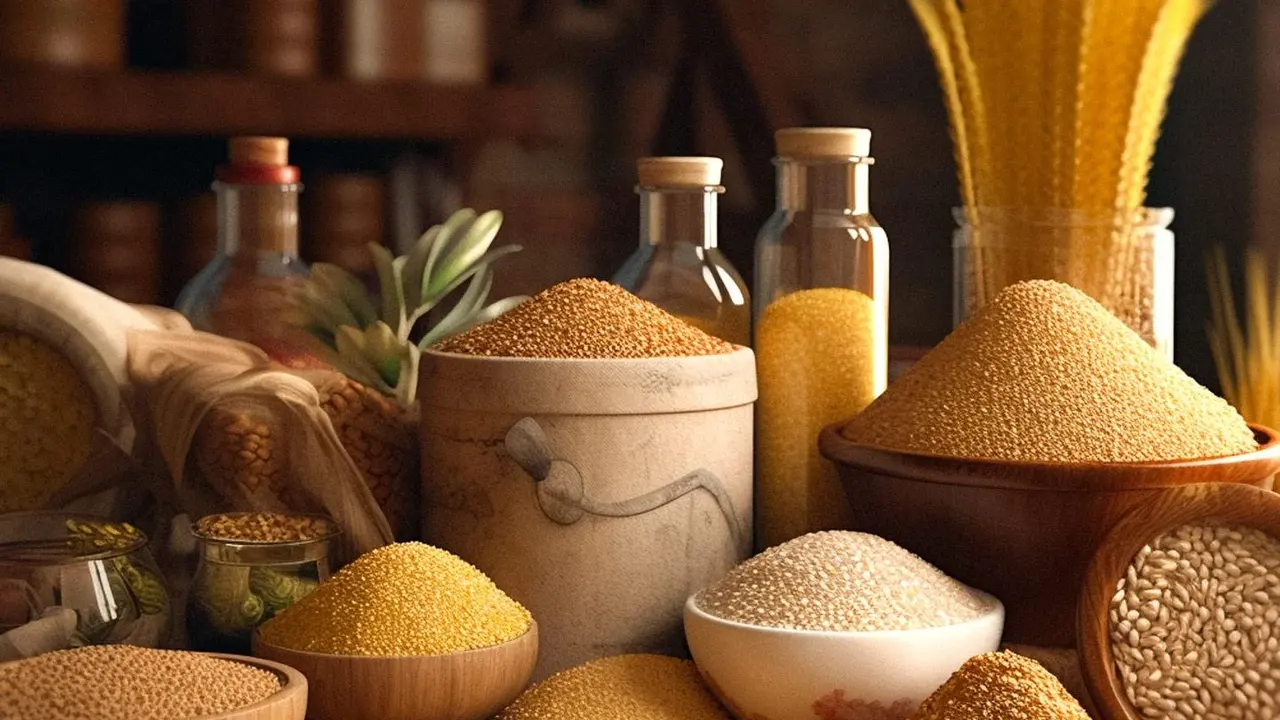
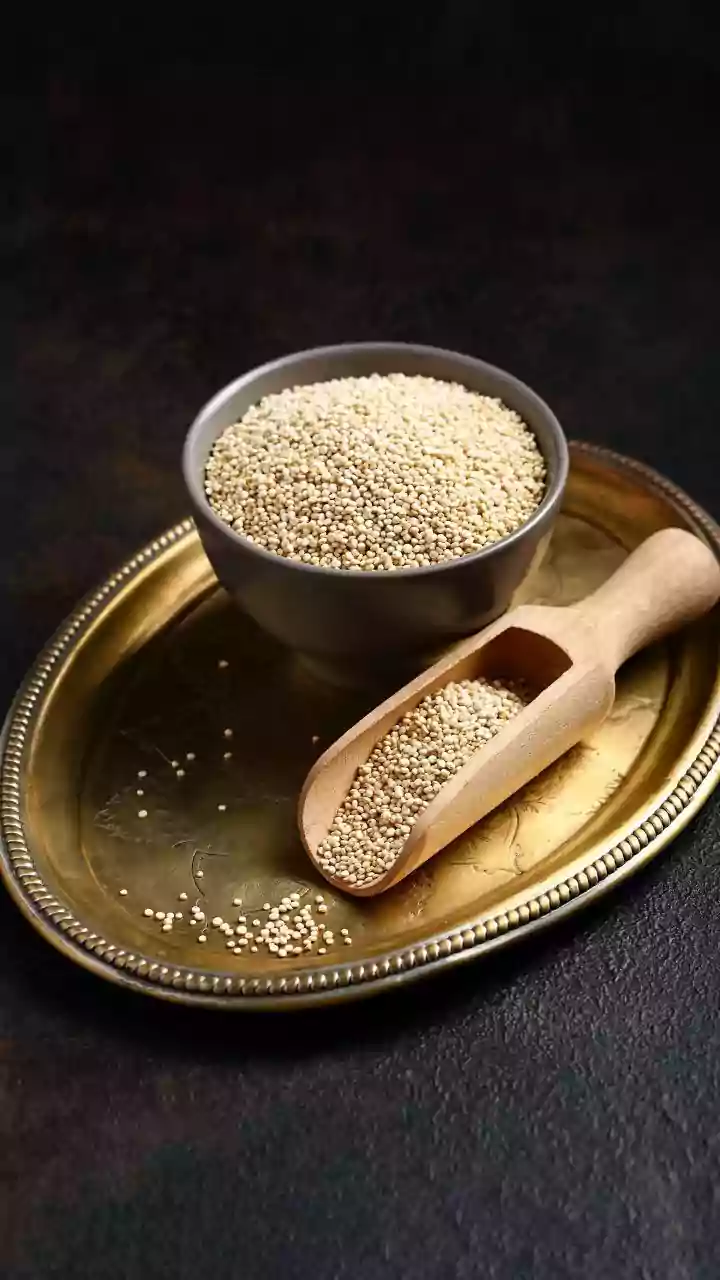
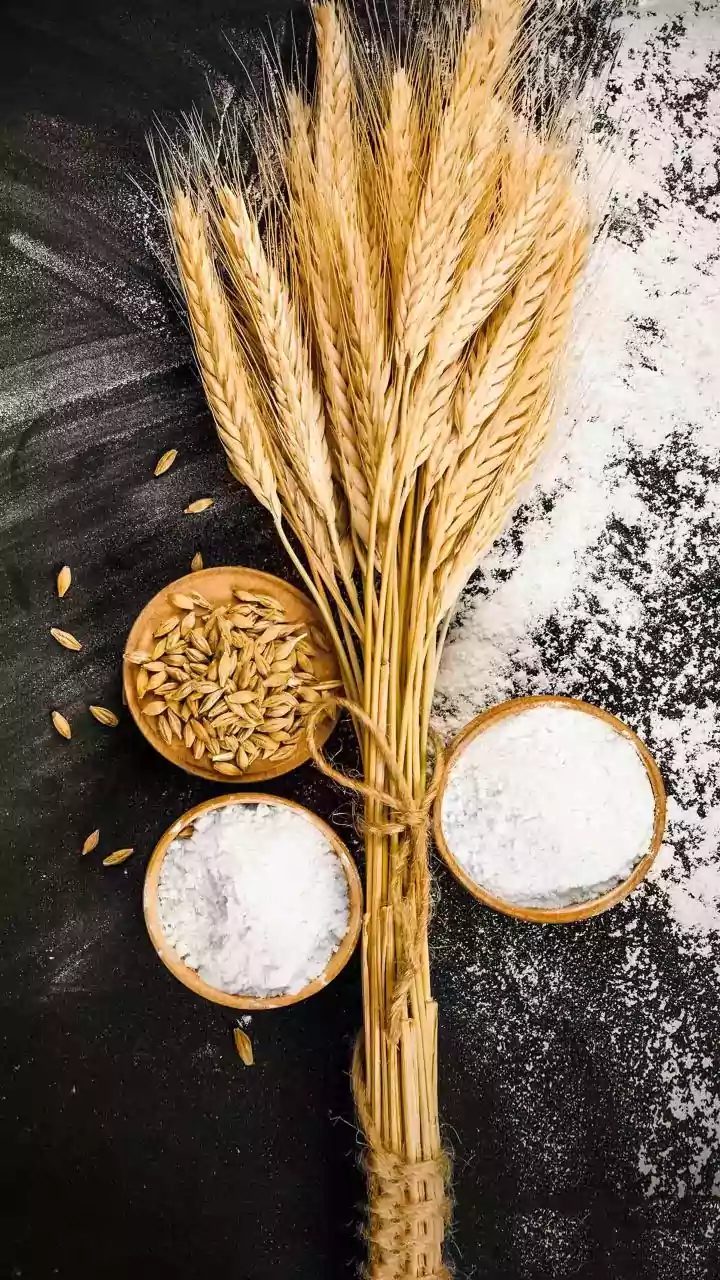
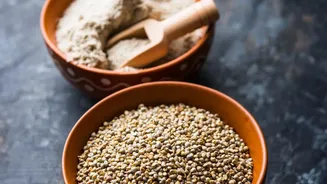
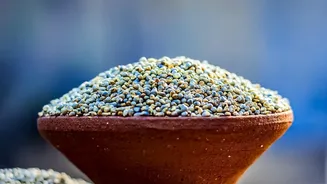
refers to grains that have remained largely unchanged for hundreds or even thousands of years. Unlike modern wheat, which has been extensively cross-bred, these grains are closer to their original form. For Indian households, these are not exotic imports; they are familiar staples like jowar (sorghum), bajra (pearl millet), ragi (finger millet), and amaranth (rajgira). These grains were the backbone of traditional diets long before packaged breakfast mixes filled supermarket shelves, and they are making a well-deserved comeback for their impressive nutritional profiles and versatility.
The Wallet-Friendly Advantage
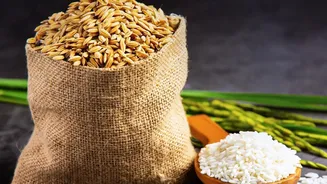
The most immediate benefit of swapping processed cereals for whole grains is the significant cost saving. A box of branded muesli or flavoured cornflakes can cost anywhere from ₹300 to ₹500 for less than a kilogram. In contrast, whole grains like bajra and jowar can be purchased for a fraction of that price, especially when bought from a local grocer rather than a speciality store. While the initial cost of a packaged mix seems convenient, a one-kilogram bag of whole millet can provide many more servings at a lower cost per meal. By cooking your own breakfast porridge or upma from these grains, you take control of your ingredients and your budget, avoiding the premium charged for branding, processing, and packaging.
A Nutritional Upgrade for Your Morning
Beyond the savings, ancient grains offer a superior nutritional payoff. Most packaged breakfast cereals undergo heavy processing, which strips away natural fibre and nutrients, often with sugar and artificial flavours added back in. Ancient grains, however, are nutritional powerhouses. Ragi is famously rich in calcium, essential for bone health. Bajra is an excellent source of iron and magnesium, which helps combat fatigue and supports heart health. Jowar is loaded with dietary fibre, promoting better digestion and keeping you feeling full for longer, which can aid in weight management. Many of these grains, like amaranth, quinoa, and millet, are also naturally gluten-free, making them an excellent choice for those with sensitivities.
Simple Ways to Start Your Day
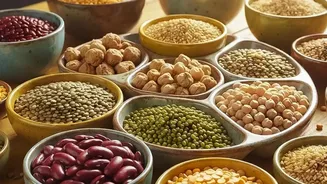
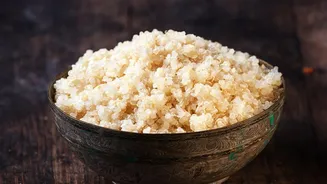
Adopting ancient grains doesn't require complicated recipes. The easiest way to start is by making a simple porridge. A mix of grains like millet, amaranth, and quinoa can be cooked in water or milk until soft, which usually takes about 15-20 minutes. You can make it sweet by adding mashed banana, grated apple, cinnamon, and a drizzle of honey. For a savoury start, try a traditional 'kitchari' style bowl by cooking the grains with lentils and tempering with cumin, turmeric, and ginger. You can also use flours made from these grains to prepare nutrient-dense dosas, chillas, or rotis for a filling and wholesome breakfast.
Tips for Buying and Storing
To maximize freshness and longevity, it's best to buy whole grains in the quantity you will use within a few months. Store them in airtight containers in a cool, dark, and dry place. The healthy oils in whole grains can go rancid if exposed to heat and light over time. For longer-term storage, especially for whole grain flours which have a shorter shelf life, the refrigerator or freezer is an excellent option. Before storing, some experts even recommend freezing the grains for a few days to eliminate any potential pantry pests. Always label your containers with the name of the grain and the date of purchase to keep things organised.