





The Sugary Sip's Slow Fade
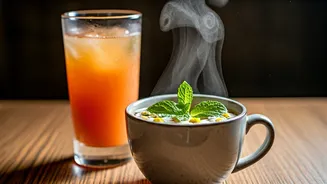
For decades, carbonated soft drinks have been the default choice for quenching thirst, celebrating moments, and pairing with meals. They are convenient, refreshing, and heavily marketed. However, a growing awareness around health and wellness is causing
many to rethink this habit. The conversation is no longer just about calories; it’s about the impact of high sugar content, artificial ingredients, and the 'empty' nature of the energy they provide. Studies consistently link high consumption of sugary drinks to a range of health issues. As we become more conscious about what we put into our bodies, that bottle of soda is starting to lose its shine.
Why We're Reaching for the Kettle
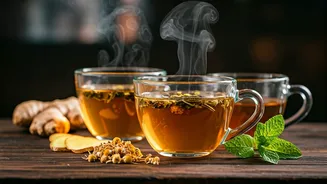
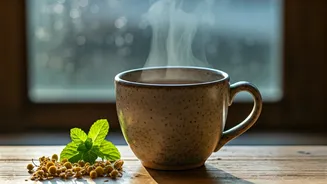
The shift towards herbal tea is more than just a rejection of cold drinks; it's an embrace of something better. This movement taps into a deeper Indian tradition of using plants and herbs for well-being. It’s a return to roots, but with a modern, convenient twist. Herbal teas, or tisanes, are infusions of fruits, herbs, spices, and flowers in hot water. Unlike traditional teas (black, green, oolong), most are caffeine-free, making them a perfect hydrating beverage for any time of day. They offer a world of complex flavours and aromas, transforming a simple drink into a soothing ritual.
For Calm and Sleep: Chamomile
If stress is your constant companion, chamomile tea is your new best friend. This delicate, apple-scented flower is one of the world's most ancient medicinal herbs. It's most famous for its calming properties. A warm cup before bed is widely believed to help relax the nervous system, reduce anxiety, and promote a more restful sleep. Its gentle nature makes it an excellent entry point into the world of herbal teas for those looking to unwind after a long day.
For Digestion and Freshness: Peppermint & Ginger
Feeling bloated or heavy after a meal? A brew of peppermint or ginger can work wonders. Peppermint is known for its ability to soothe the stomach and aid digestion. Its cool, refreshing menthol flavour also acts as a great palate cleanser. Ginger, a staple in every Indian kitchen, is a powerhouse of benefits. As a tea, it's a warming, spicy brew that helps combat indigestion, nausea, and inflammation. A combination of the two is both delicious and incredibly effective for digestive comfort.
For Immunity and Purity: Tulsi (Holy Basil)
No discussion of Indian herbal wellness is complete without Tulsi. Revered as the 'Queen of Herbs' in Ayurveda, Holy Basil has been used for centuries to support the immune system and promote overall health. Tulsi tea is an adaptogen, which means it helps the body adapt to stress and promotes mental balance. With its slightly spicy, clove-like aroma, a cup of Tulsi tea can feel like a protective shield, helping to ward off common colds and coughs while purifying the body from within.
For Stress and Resilience: Ashwagandha
In today's high-pressure world, Ashwagandha has emerged as a go-to herb for managing stress. Another powerful adaptogen from the Ayurvedic tradition, its name translates to 'smell of the horse,' alluding to its ability to impart strength and vitality. While its root is potent, Ashwagandha tea blends are a more accessible way to enjoy its benefits. It is thought to help lower cortisol levels (the stress hormone), improve focus, and reduce feelings of anxiety, making it a valuable ally for modern life.
Making the Switch Effortless
Transitioning from cold drinks to herbal tea doesn't have to be an abrupt change. Start by replacing one sugary drink a day with a cup of herbal tea. Experiment with different flavours to find what you enjoy—from fruity hibiscus to earthy rooibos. Don't forget that many herbal teas are delicious when chilled, too. Brew a large batch, let it cool, and keep it in the fridge for a refreshing, healthy drink on a hot day. The goal isn't deprivation; it's about adding a new, enjoyable, and beneficial ritual to your life.