






India sealed a hard-fought 3-2 series victory against New Zealand, but the scoreline doesn't tell the full story. While the trophy is in the cabinet, the series was a mixed bag, offering moments of brilliance alongside areas of clear concern.
HIT: Middle-Order Firepower
The engine
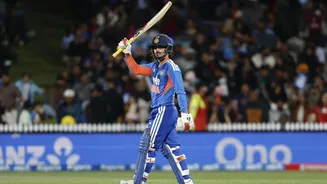
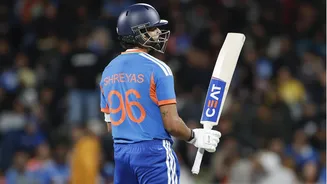
room of India's batting was in fine form. Captain Shreyas Iyer and Ishan Kishan were instrumental, particularly in the final match where they both scored explosive half-centuries. Their crucial 93-run partnership off just 43 balls in the 5th T20I rescued India from a precarious position after a top-order collapse. Kishan's knock of 61 and Iyer's 50 from just 23 balls showed aggressive intent and maturity, ensuring India posted competitive totals throughout the series. This return to form for both players is a massive positive for India's middle-order strength.
MISS: Inconsistent Opening Partnership
A significant area of worry was the performance at the top of the order. The opening pair of Sanju Samson and Abhishek Sharma failed to provide consistent starts, putting immediate pressure on the middle order. In the final T20I, both openers were dismissed cheaply, with India slumping to 19/2. This pattern of early wickets was a recurring theme, preventing the team from capitalizing on the powerplay overs effectively. While there were flashes of individual brilliance in earlier matches, the lack of a reliable, high-scoring opening stand remains a puzzle that the team management needs to solve.
HIT: Arshdeep Singh's Record-Breaking Form
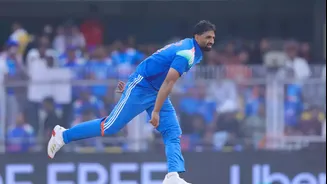
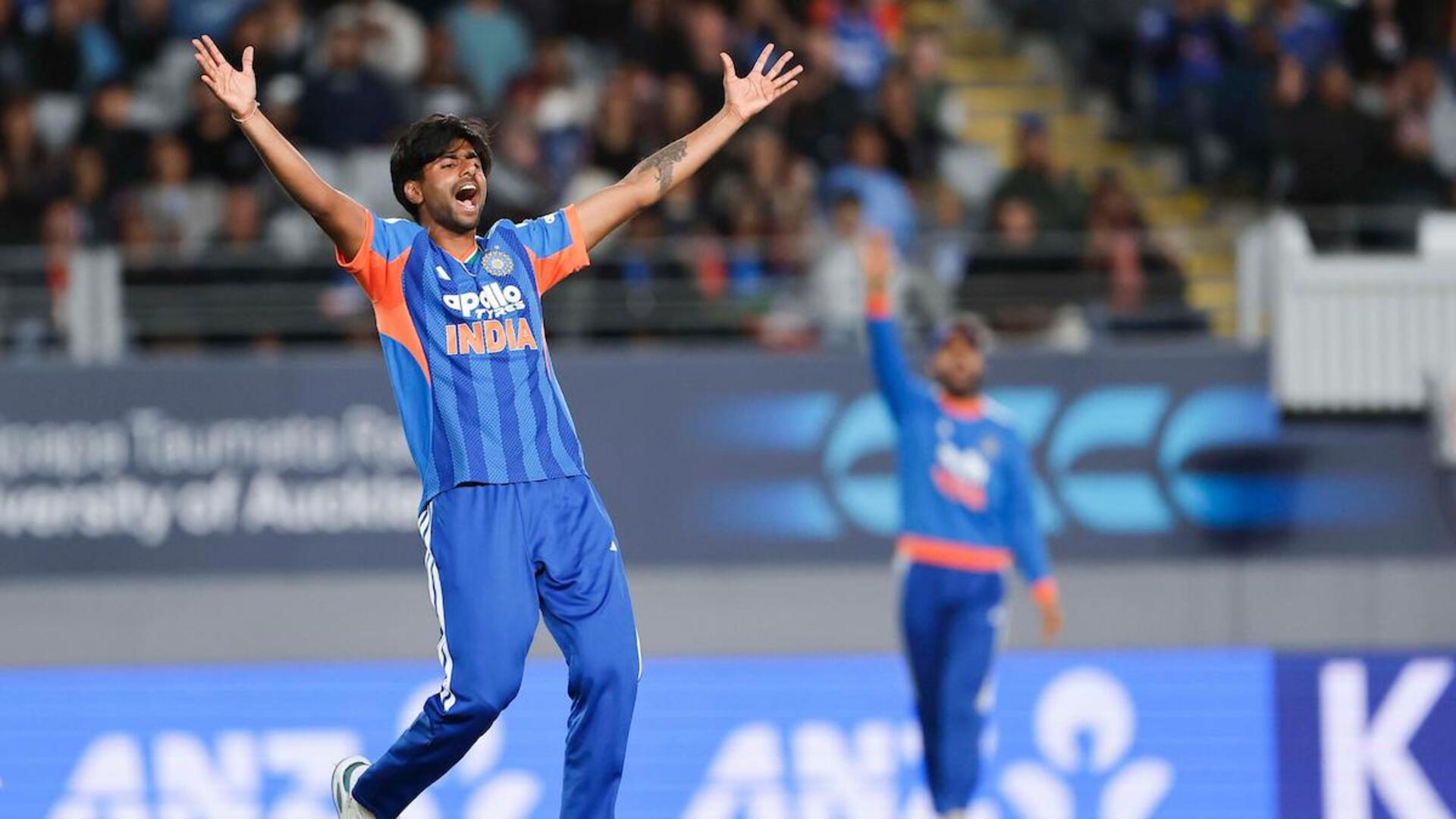
Arshdeep Singh was undoubtedly the standout bowler for India. The left-arm pacer was not only among the wickets but also created history during the tour. He became the first Indian men's bowler to take 150 T20I wickets and also set a new record for the most T20I wickets in a calendar year for a Full Member nation, surpassing the previous record with 40 wickets in 2026. Even in the high-scoring fourth T20I where New Zealand posted 259, Arshdeep was the only Indian bowler with an economy rate under 10. His ability to take crucial wickets and maintain composure under pressure was a major hit for the team.
MISS: Death Bowling Woes
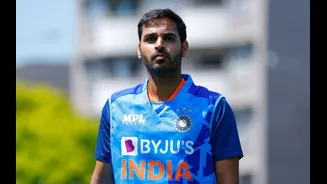
While Arshdeep was excellent, the same cannot be said for the entire bowling unit, especially in the final two matches. India failed to defend a strong total of 191 in the last T20I, with New Zealand chasing it down with two overs to spare. This was the fastest chase of a 190+ score against India in T20I history. Senior bowlers like Bhuvneshwar Kumar proved expensive and struggled to find their rhythm, leaking crucial runs at the back end of the innings. The inability to close out the innings with the ball, leading to two consecutive losses, is a significant miss that tempers the series victory.
HIT: The Rise of Young Finishers
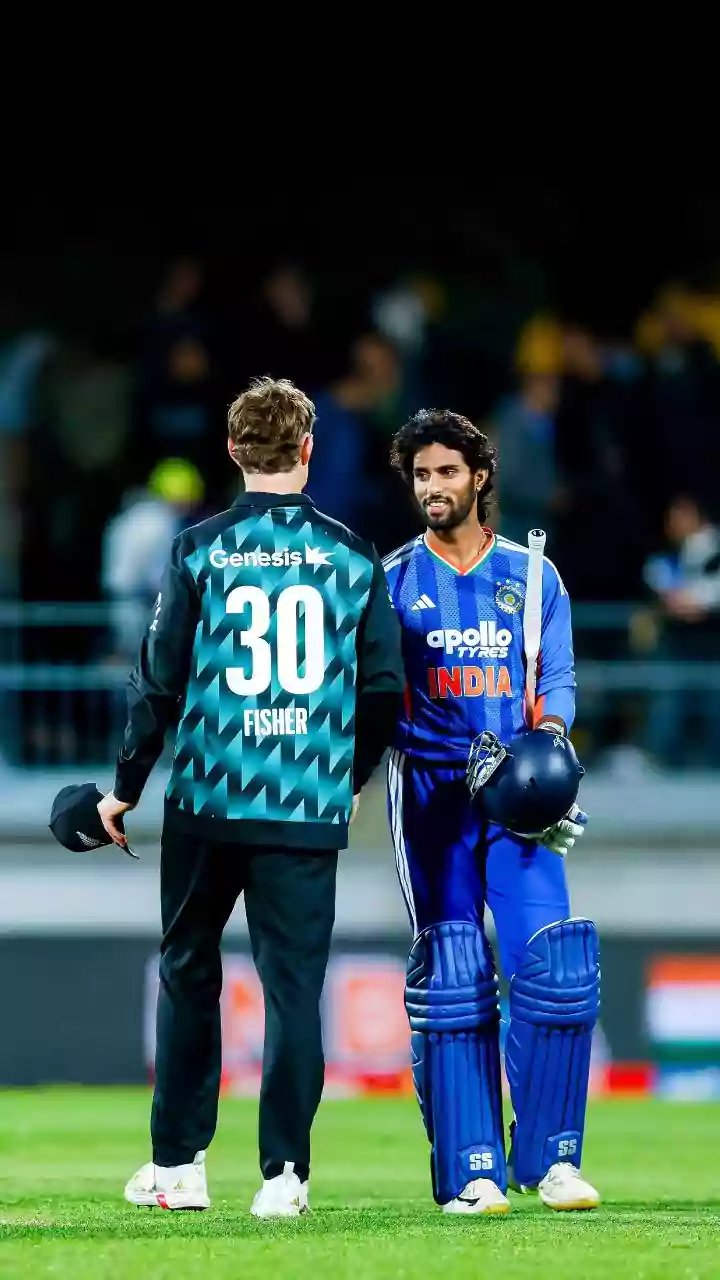
The series saw encouraging signs from the lower middle order, with players like Naman Dhir and Nitish Kumar Reddy playing vital cameos. In the final match, Dhir's quickfire 33 and Reddy's 22 helped push India's total to a respectable 191 after the middle order wobble. These contributions were crucial in ensuring the bowlers had a fighting chance. Throughout the series, these players showed they could handle pressure situations and provide the finishing kick needed in any final overs, adding valuable depth to India's batting lineup.
MISS: Fielding Lapses at Crucial Moments
A surprising and disappointing aspect of India's performance was the standard of fielding. The series was marred by dropped catches and misfields from a side that usually prides itself on its athleticism. A costly dropped catch of Tim Seifert in the final T20I gave him a crucial lifeline, and he went on to score a match winning 93. These lapses were not isolated incidents and often allowed the opposition to build or maintain momentum. While India secured the series, any uncharacteristically poor fielding is a definite miss that they will need to address urgently.