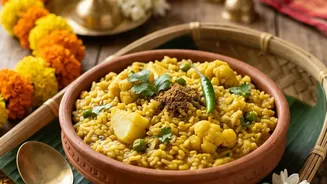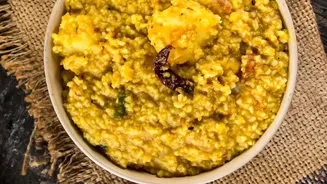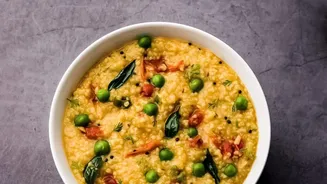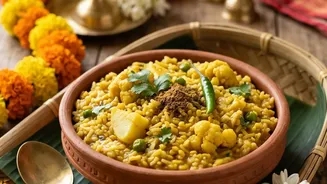

In the world of Indian comfort food, few dishes are as beloved and reliable as Dalia and Khichdi. Both are hailed as wholesome, simple, and nourishing. But when it comes to your regular meals, which one holds the edge? Let the showdown begin.
Meet the Contenders
First, let's
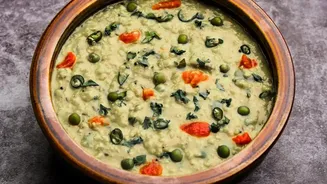
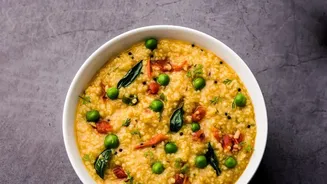
get reacquainted with our competitors. Dalia, also known as broken or cracked wheat, is a whole-grain product made by milling raw whole wheat kernels coarsely. This minimal processing means it retains its bran and germ, the most nutritious parts of the grain. It's a staple in many North Indian homes, often prepared as a savoury upma or a sweet porridge. On the other side, we have Khichdi, the timeless one-pot wonder. At its heart, it's a simple preparation of rice and lentils (most commonly moong dal) cooked together until soft and creamy. Considered a cornerstone of Ayurvedic eating, Khichdi is celebrated for its digestibility and is often the first food recommended during illness or recovery.
The Nutritional Showdown
When you put them head-to-head, both Dalia and Khichdi have impressive nutritional profiles, but they shine in different areas. Dalia is a fibre powerhouse. A 100-gram serving of dry dalia packs a substantial amount of dietary fibre, often around 10-12 grams. It's also rich in complex carbohydrates that provide a slow, steady release of energy. This is why it has a low glycemic index (GI), typically around 41-55, making it an excellent choice for blood sugar management. Khichdi's main strength lies in its protein quality. The classic combination of rice (a cereal) and dal (a pulse) creates a complete protein, providing all nine essential amino acids that the body can't produce on its own. This is particularly valuable for vegetarians and vegans. While a basic moong dal khichdi has less fibre than dalia, its protein is more bioavailable.
The Digestion and Gut Health Angle
Here, the choice becomes more about your immediate need. Khichdi is famously gentle on the stomach. Made with moong dal, one of the most easily digestible lentils, it's a go-to meal for gut rest, recovery from illness, or for those with a sensitive digestive system. Ayurveda considers it 'tridoshic', meaning it balances all three body doshas, making it a universally soothing food. Dalia, with its high fibre content, is fantastic for long-term digestive health. It promotes regular bowel movements, helps prevent constipation, and feeds the good bacteria in your gut. However, for someone with acute digestive distress, the high fibre in dalia might be harder to handle than the soft, gentle nature of Khichdi.
The Weight Management Debate
If shedding kilos is your goal, Dalia often takes a slight lead. Its high fibre content is the hero here, as it promotes satiety, keeping you feeling full for longer and reducing the urge to snack. The low GI also prevents the sudden blood sugar spikes and crashes that can lead to cravings. A bowl of vegetable dalia can be a low_calorie, high_volume meal that supports a calorie deficit. That's not to say Khichdi can't be part of a weight loss plan. It absolutely can. A simple vegetable khichdi is a low_calorie, nutrient_dense meal. The key is portion control and mindful preparation, especially with the amount of ghee used. Choosing brown rice or millets over white rice can also boost its fibre content and lower its GI.
Versatility in the Kitchen
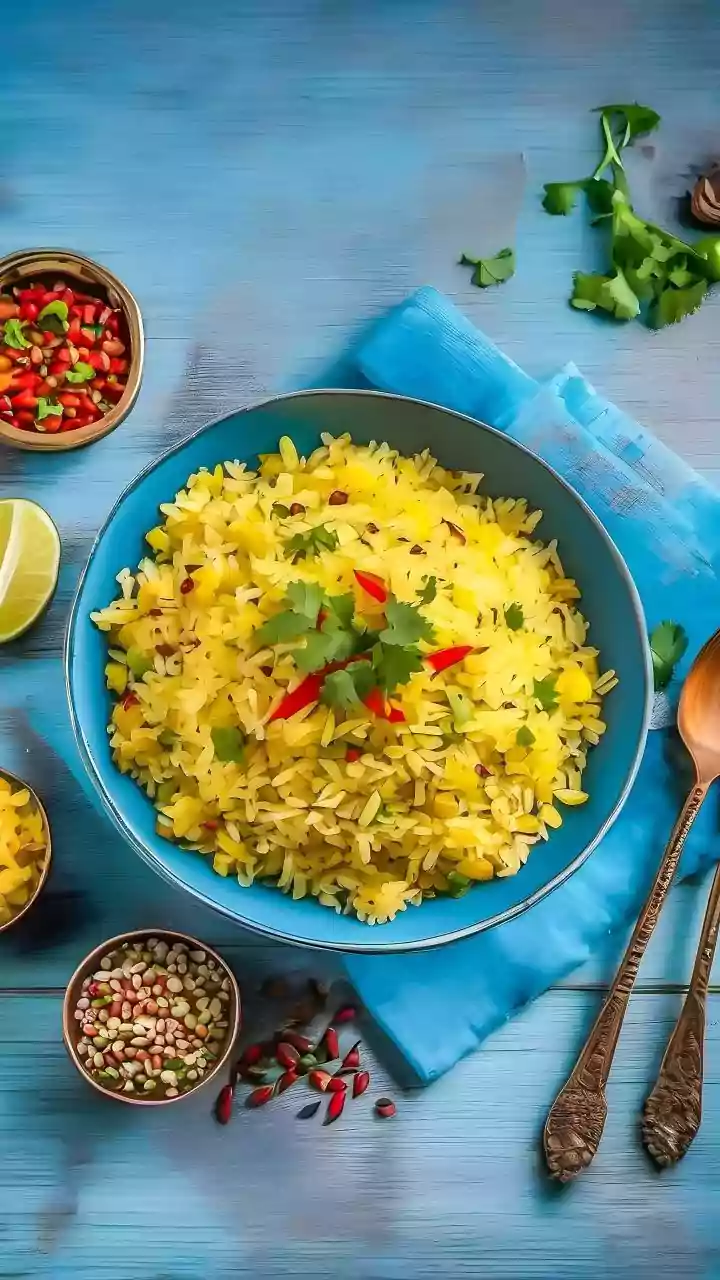
Both dishes are incredibly versatile canvases for culinary creativity. Dalia can be made savoury (like an upma or pulao with heaps of vegetables) or sweet (as a porridge with milk, jaggery, and nuts). You can even use it to make a healthier 'khichdi' by swapping out the rice. Khichdi is equally adaptable. While the basic rice-'and'-moong-'dal version is a classic,' you can use different lentils,' add a variety of seasonal vegetables,' and play with spices to create countless variations,' from the simple and soupy to the rich and festive 'masala khichdi'.
The Verdict: Which to Choose When?
Ultimately,' the 'better'' choice depends entirely on your personal health goals.' For weight management,' better blood sugar control,' and a serious fibre boost,' Dalia is an outstanding option.' Its slow-'releasing energy makes it an ideal breakfast or lunch.' For easy digestion,' post-'workout muscle repair (thanks to its complete protein),' or a light,' comforting dinner,' Khichdi is your answer.' It's the perfect meal when your body needs nourishment without the digestive workload.' Both are champions of comfort and health,' so there's no need to pick a permanent winner.'