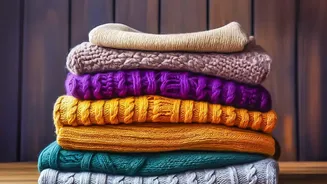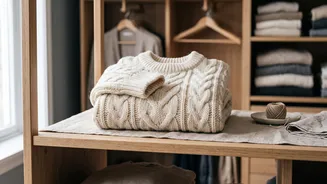



A beloved woollen sweater can bring immense comfort, but the fear of ruining it in the wash is real. That moment of pulling a stretched, misshapen garment from the laundry is a familiar tragedy. But it doesn't have to be this way.
Understanding the Stretch
Before diving into the
how, it helps to understand the why. Wool fibres are naturally elastic and covered in tiny, overlapping scales. When wool gets wet, it becomes incredibly heavy as it absorbs water. The fibres become pliable and vulnerable. If you hang a wet woollen garment, the sheer weight of the water combined with gravity will pull the fibres downwards, causing the knit to stretch and lose its shape. This is why the drying process is just as critical as the wash itself. Unlike shrinking from heat, which is often permanent, stretching is usually preventable and sometimes even reversible.
The Gentle Wash Cycle
Proper drying starts with a proper wash. Always check the garment's care label first. For most woollens, hand washing is the safest bet. Use cold or lukewarm water (below 30°C) and a mild, wool-specific detergent. Hot water can cause the fibre's scales to lock together, leading to irreversible shrinking, a process known as felting. Submerge the garment, let it soak for a few minutes, and gently squeeze the water through the fabric. Avoid any harsh rubbing or agitation. If you must use a machine, select the delicate or wool cycle, use cold water, and place the garment inside a mesh laundry bag for protection against friction.
Removing Excess Water Correctly
This is the most common point where damage occurs. Never, ever wring or twist a wet woollen garment. Twisting the fabric will distort the knit and stretch the fibres unevenly. Instead, gently squeeze out as much water as you can with your hands. Then, lay the garment flat on a clean, thick, pale-coloured towel. Carefully roll the towel and the garment together into a log, like a sleeping bag. Press down firmly on the roll to allow the towel to absorb the excess moisture. You may need to repeat this with a second, dry towel if the garment was particularly saturated.
The Art of Flat Drying
Once you have removed the excess water, it's time to dry. The golden rule is to always dry woollens flat. Hanging a wet sweater will cause it to stretch vertically, resulting in a longer body and distorted shoulders. Unroll your damp garment onto a fresh, dry towel or a mesh drying rack. A mesh rack is ideal as it allows air to circulate underneath, speeding up the process. Gently pat and nudge the garment back into its original shape and size. Align the seams, smooth out the sleeves, and ensure the hem is straight. Wool has a 'memory', and it will dry in the shape you leave it in.
Patience and Placement Are Key
Find a spot away from direct sunlight or direct heat sources like radiators. Intense heat can damage the fibres and even cause discolouration, while direct sun can make the wool stiff. A well ventilated room is perfect. Be patient; wool can take time to dry, sometimes up to a full day depending on the thickness and humidity. Before folding and putting it away, check that it's completely dry, paying special attention to thicker areas like cuffs and collars. Storing a slightly damp woollen can lead to musty smells.
What If It Already Stretched?
If a beloved sweater has already fallen victim to stretching, don't despair. You can often reshape it. The process involves rewetting the garment by soaking it in lukewarm water for about 10–20 minutes. This relaxes the fibres, making them pliable again. Then, follow the steps for removing excess water with a towel and carefully lay it flat, reshaping it to its correct dimensions while it's damp. You can use rust–proof pins to hold its shape on a towel if needed. Let it dry completely flat. This method works well for stretched necklines and cuffs, too.