




More Than Just Chopping Onions
For generations, Indian households have practiced a form of meal prep. Our grandmothers and mothers spent days making pickles, sun-drying papads, and grinding spice masalas to last for months. This was a labour of love, a foundation of the family kitchen.
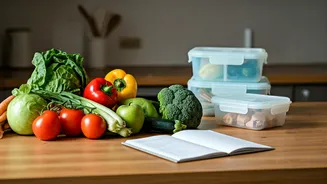
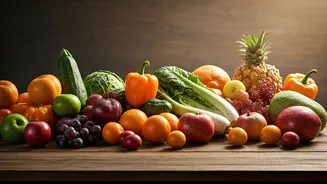
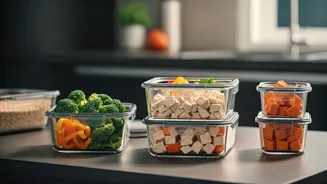
Today’s meal prep culture, however, is a different beast. It's a weekly, strategic operation aimed at surviving the daily grind. It's not about stocking the pantry for a season, but about stocking the fridge for a five-day work week. This modern iteration involves chopping a week's worth of vegetables for sabzis, boiling legumes, preparing base gravies for curries, making dosa or idli batter, and portioning out snacks. It’s a systematic approach to reclaiming time and sanity during hectic weekdays.
The New Urban Reality
What’s driving this shift? The answer lies in India’s changing urban landscape. The traditional joint family system, with its built-in support network where cooking duties were often shared, is giving way to nuclear families. With both partners often working demanding jobs and facing long commutes, the question of 'what's for dinner?' can become a source of daily stress. There’s simply less time and energy at the end of the day to start a meal from scratch. Meal prep has emerged as a practical solution for these time-poor, ambition-rich households, allowing them to have a home-cooked meal on the table in minutes rather than hours.
A Quest for Health and Control
Convenience is a major factor, but the new meal prep wave is equally fuelled by a growing consciousness around health and wellness. The ease of ordering from food delivery apps comes with a trade-off: a lack of control over ingredients, oil content, and hygiene. Many urban Indians are tired of the 'takeaway trap' and its impact on their health and wallets. Meal prepping offers the best of both worlds—the convenience of a quick meal without sacrificing control. By preparing their own food, people can manage portion sizes, reduce oil and salt, and ensure the ingredients are fresh. It's a proactive step towards a healthier lifestyle, moving from reactive ordering to planned eating.
The Social Media Effect
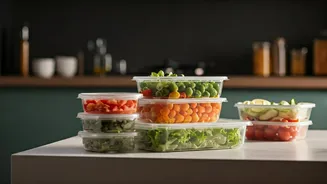
The trend has also been amplified by social media. A quick search for #MealPrepIndia on Instagram reveals a colourful, aspirational world of neatly arranged containers, vibrant salads, and perfectly portioned curries. Influencers and food bloggers are showcasing meal prep not as a tedious chore, but as a satisfying, almost therapeutic activity. They provide weekly plans, shopping lists, and step-by-step tutorials, making the process feel accessible and even glamorous. The visual appeal of a fridge stocked with organised, ready-to-go meals has turned a practical task into a desirable lifestyle statement—a symbol of being organised, healthy, and in control of one's life.
An Industry in the Making
Recognising this growing need, a new cottage industry is bubbling up. Startups and local businesses are now offering everything from pre-chopped vegetable packs and peeled garlic to ready-made base gravies and full-blown weekly meal subscriptions. These services cater to those who want the benefits of home-cooked food but lack the time or inclination to do the prep work themselves. This commercialisation of meal prep signifies its firm establishment in the urban Indian lifestyle. It's no longer just a personal hack; it's a recognised consumer need with a growing market ready to serve it.