



The Key Stress Points in Modern Travel
The 2026 SITA Passenger IT Insights report surveyed nearly 8,000 travellers across 24 countries and pinpointed where the anxiety really bites. The main culprits are not just a fear of flying itself, but the operational hurdles on the ground. Passengers
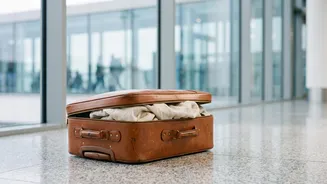
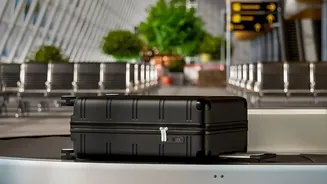
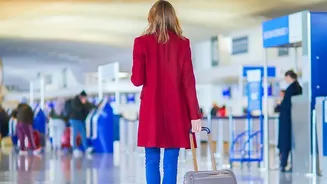
identified flight delays, long queues, and worries about baggage handling as their biggest frustrations. In fact, a third of passengers now report feeling anxious during the 'dwell time' between clearing security and boarding the plane, a figure three times higher than in 2023. The anxiety is so significant that it has a real commercial impact; 42% of travellers admitted to cancelling a trip altogether because they anticipated the experience would be too stressful.
Why 'Not Knowing' Is the Real Problem
According to SITA's CEO, David Lavorel, much of the stress comes down to a simple factor: not knowing what happens next. When a flight is delayed or a gate changes, the lack of immediate, clear information can send passenger anxiety soaring. The report highlights that the calmest points for travellers are often check-in and boarding, stages where the process is clearly mapped out on their phones. This suggests that uncertainty is a primary driver of negative emotions. The survey found that eight in ten passengers believe technology, such as real-time mobile alerts about queues, gate changes, and baggage location, could significantly reduce their stress levels.
Preparation Is Your First Line of Defence
Since much of travel anxiety stems from a feeling of being out of control, taking charge of what you can is a powerful first step. Start by planning your trip well in advance. Create checklists for packing, important documents, and pre-travel tasks. Laying out everything you need a few days before you leave can prevent last-minute panic. Pack a 'comfort kit' in your carry-on with essentials that make you feel secure, such as a neck pillow, noise-cancelling headphones, healthy snacks, and a reusable water bottle. Don't forget to download entertainment like movies, podcasts, or calming music, as you can't always rely on in-flight Wi-Fi.
Navigating the Airport Environment
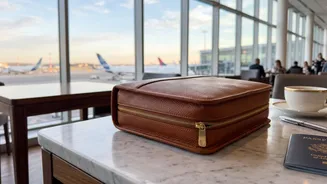
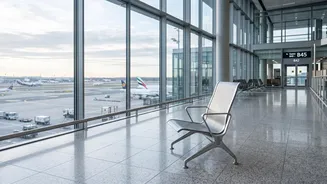
The airport itself can be a sensory overload. The key to managing it is to give yourself plenty of time. Arriving early eliminates the stress of rushing to make your flight. Once you are through security, find a quiet spot away from the main thoroughfare. Instead of dwelling on anxious thoughts, distract yourself. Explore the shops, enjoy a relaxed meal, or find a comfortable chair to read or listen to a podcast. If you feel panic setting in, focus on your breathing. Simple deep-breathing exercises—inhaling slowly through your nose and exhaling through your mouth—can calm your nervous system. There are also numerous mindfulness and meditation apps you can use for guided relaxation.
Finding Calm at 30,000 Feet
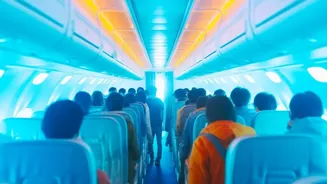
For many, turbulence is a major source of in-flight anxiety. It helps to remember that turbulence is a normal part of flying, much like bumps in a road, and aircraft are engineered to withstand it safely. If you feel nervous, inform a flight attendant; they are trained to support anxious passengers. During the flight, stay hydrated with water and avoid excessive caffeine or alcohol, which can heighten feelings of anxiety. Focus on a positive activity: watch a favourite comedy, listen to a guided meditation, or journal about what you're excited to do at your destination. Shifting your focus from the fear to the purpose of your trip can make a significant difference.