





The End of an Era: What Were Airfare Caps?
For a period, the Indian government controlled domestic flight prices by setting a floor and a ceiling for fares on various routes. These caps were introduced in December 2025 as an emergency measure to protect consumers from extreme price surges. This
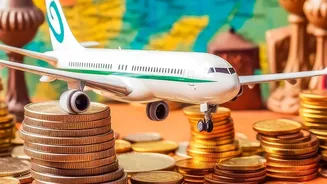
was in response to a major operational crisis at IndiGo, India's largest carrier, which led to widespread flight cancellations and fears of price gouging. For example, a flight over 1,500 kilometres had a maximum fare of ₹18,000, excluding taxes. The goal was twofold: to ensure passengers were not overcharged during a period of limited capacity and to provide a stable pricing environment. This system, however, was always intended to be temporary.
Why the Government Removed the Price Controls
The Ministry of Civil Aviation officially lifted the fare caps on March 23, 2026. The primary reason cited was the stabilisation of the aviation market. With airline operations returning to normal and capacity restored, the government felt the emergency controls were no longer necessary. Another major factor was the financial health of the airlines themselves. Carriers were facing mounting pressure from rising costs, particularly for Aviation Turbine Fuel (ATF), which has been driven up by geopolitical tensions in West Asia. Since fuel can account for 40-43% of an airline's operating expenses, the fare caps were becoming unsustainable for companies like IndiGo, Air India, and SpiceJet. The removal of the cap allows airlines to return to a dynamic pricing model, where fares are determined by supply and demand.
What This Means for Your Festive Tickets
Without the price ceiling, airlines are free to charge what the market will bear, especially during periods of high demand like the upcoming Diwali and holiday season. This practice, known as dynamic pricing, means that last-minute tickets on popular routes are likely to be significantly more expensive. On Tuesday, Civil Aviation Minister K Rammohan Naidu confirmed the government will not re-impose a cap for the festive season. Instead, the ministry will advise airlines to keep fares at a 'reasonable level'. However, travellers should brace for higher prices. The government has acknowledged that rising fuel costs are a legitimate reason for fare increases. While the Directorate General of Civil Aviation (DGCA) will monitor fares, the absence of a hard limit gives airlines considerable leeway to raise prices based on demand.
A Smart Traveller's Guide to Booking Flights
The new pricing environment doesn't mean you have to break the bank. It simply means that planning is more critical than ever. The single most effective strategy is to book your tickets well in advance. For major festivals like Diwali, experts recommend booking 60 to 90 days ahead to secure the best prices, as fares can jump by 50-100% in the last 30 days. Flexibility is also key. If you can, try travelling on weekdays like Tuesday or Wednesday, which are often cheaper than weekends. Flying on the day of the festival itself can also be more affordable, as most people prefer to arrive beforehand. Using flight comparison websites is essential to see all your options in one place. Finally, consider flying into a nearby, smaller airport instead of a major hub, as this can sometimes offer significant savings.