
Winter transforms the world's most stunning lakes into magical icy landscapes. For those who see beauty in frost-covered vistas, here are ten famous frozen lakes that offer unforgettable winter scenery and adventure.
Abraham Lake, Canada
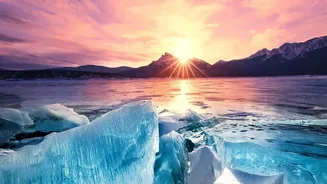
Located in Alberta, Abraham Lake is
world-famous for a unique natural phenomenon: frozen methane bubbles. As organic matter at the bottom of the man-made lake decomposes, it releases methane gas, which gets trapped as stacked, jewel-like bubbles in the clear ice as the lake freezes. Strong winds in the area often sweep the snow off the surface, creating a perfect window to view this otherworldly spectacle. The best time to witness this is typically from mid-January to early February when the ice is thick and clear. It's a photographer's dream, offering a surreal landscape of suspended white orbs against the backdrop of the Canadian Rockies.
Pangong Tso, Ladakh, India
Familiar to many from its appearance in the film '3 Idiots', Pangong Tso is a high-altitude saltwater lake stretching between India and Tibet. Situated at over 4,300 metres, it is one of the highest saltwater lakes in the world. Despite its salinity, the lake freezes completely during the harsh winter months from January to February, when temperatures can plummet below -20°C. The vast, solid white sheet of ice, reflecting the surrounding snow-capped Himalayan peaks, creates a serene and breathtakingly stark landscape. The area becomes a quiet, white wonderland, offering a profoundly peaceful experience compared to the busy summer months.
Lake Baikal, Siberia, Russia
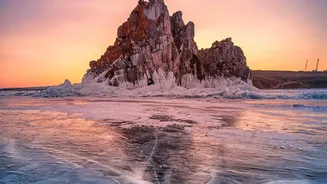
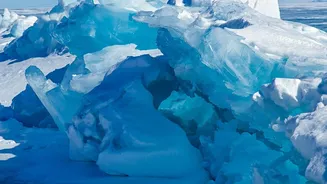
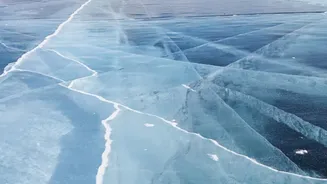
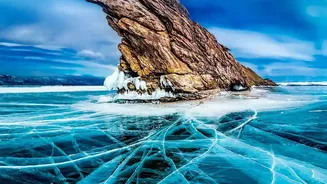
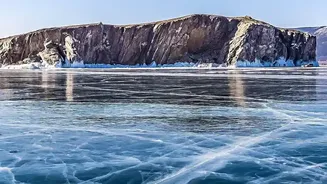
Known as the 'Pearl of Siberia', Lake Baikal is the world's oldest and deepest freshwater lake, holding about 20% of the planet's unfrozen fresh water. During the Siberian winter, it transforms into a mesmerising world of ice. The lake typically freezes over by January, with ice growing up to 1.5 metres thick, clear enough to see deep into the water below. The surface is a canvas of incredible ice formations, from turquoise shards and massive pressure ridges to frozen caves adorned with icicles. The ice is so thick that it is used for temporary roads. February and March are considered the best months to visit for this unique experience.
Lake Louise, Alberta, Canada
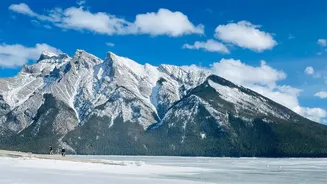
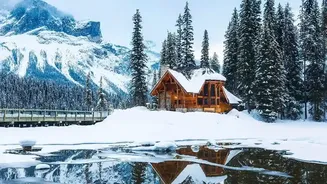
Nestled in Banff National Park, Lake Louise offers one of the most iconic winter scenes in the Canadian Rockies. From mid-December to mid-April, the lake freezes solid and is maintained by the Fairmont Chateau Lake Louise as a magnificent outdoor ice-skating rink, often ranked among the world's most beautiful. Surrounded by snow-covered peaks, including the majestic Victoria Glacier, skating here feels like being inside a snow globe. An ice castle is usually sculpted on the lake each winter, adding to the fairy-tale atmosphere, and the area is lit for evening skating.
Jökulsárlón, Iceland
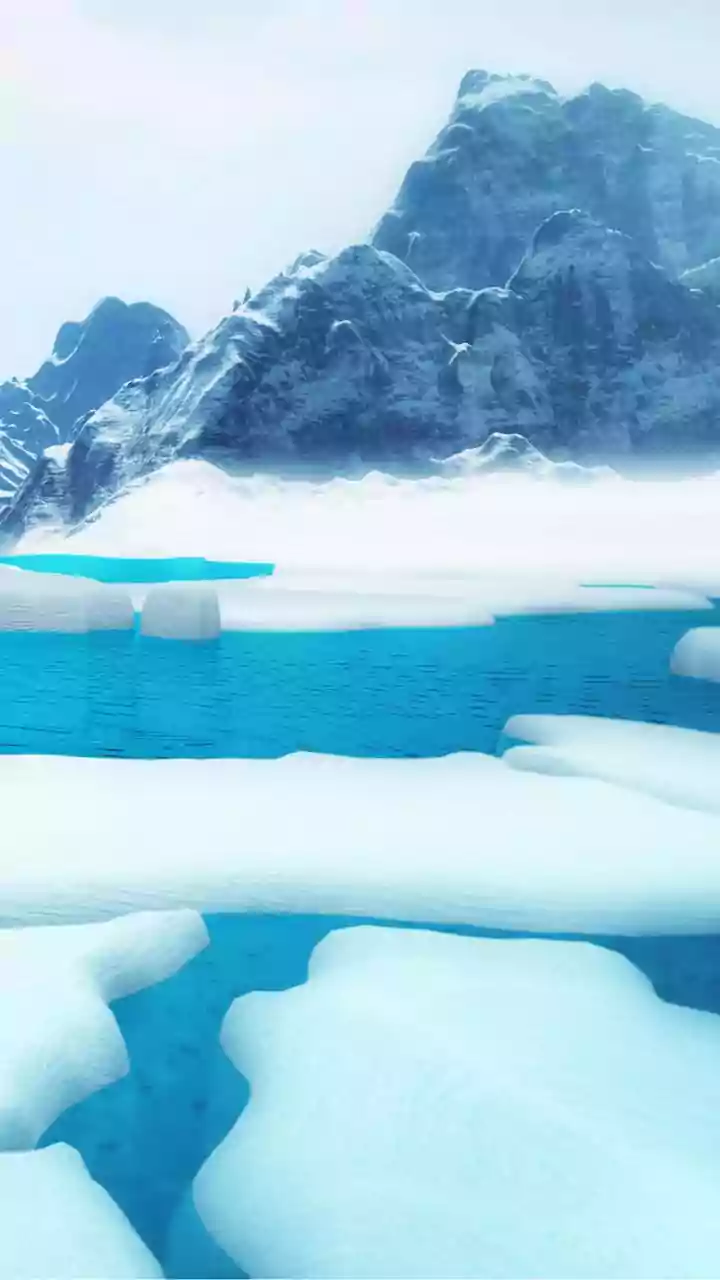
Jökulsárlón is not a typical frozen lake but a stunning glacial lagoon at the edge of the Vatnajökull glacier. It's Iceland's deepest lake, filled with icebergs that have broken off the glacier. In winter, the lagoon doesn't freeze completely solid, allowing the icebergs—in shades of white, blue, and black—to drift slowly towards the sea. The scene is surreal, especially when the Northern Lights dance overhead. Nearby Diamond Beach offers a contrasting view, where ice chunks wash ashore and glitter like diamonds on the black volcanic sand. Winter also brings the opportunity to explore natural ice caves that form in the glacier.
Lake Bled, Slovenia
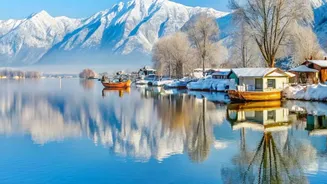
With its iconic island church and clifftop castle, Lake Bled is picturesque in any season, but winter adds a layer of quiet magic. While the lake rarely freezes over completely enough for safe skating due to underwater thermal springs, its shores are often dusted with snow, creating a fairy-tale scene. A 6-kilometre walking path around the lake remains open, offering peaceful, frosty views of the island and the Julian Alps. Visitors can still take a traditional 'pletna' boat to the island or enjoy the views from Bled Castle, which remains open year-round.
Lake Superior, USA & Canada
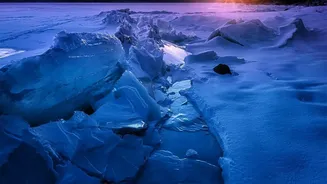
The largest of North America's Great Lakes, Lake Superior puts on a dramatic winter show. While the entire lake rarely freezes, its shores can become a landscape of otherworldly ice formations. The most famous are the ice caves at Wisconsin's Apostle Islands National Lakeshore. When conditions are right, waves and seeping water freeze into spectacular curtains, columns, and chambers of ice along the shoreline's red sandstone cliffs. Accessing the caves requires a hike across the frozen lake surface, an event that is rare and depends entirely on safe ice conditions, making it a highly anticipated natural wonder.
Gurudongmar Lake, Sikkim, India
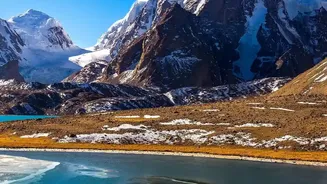
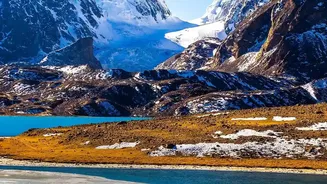
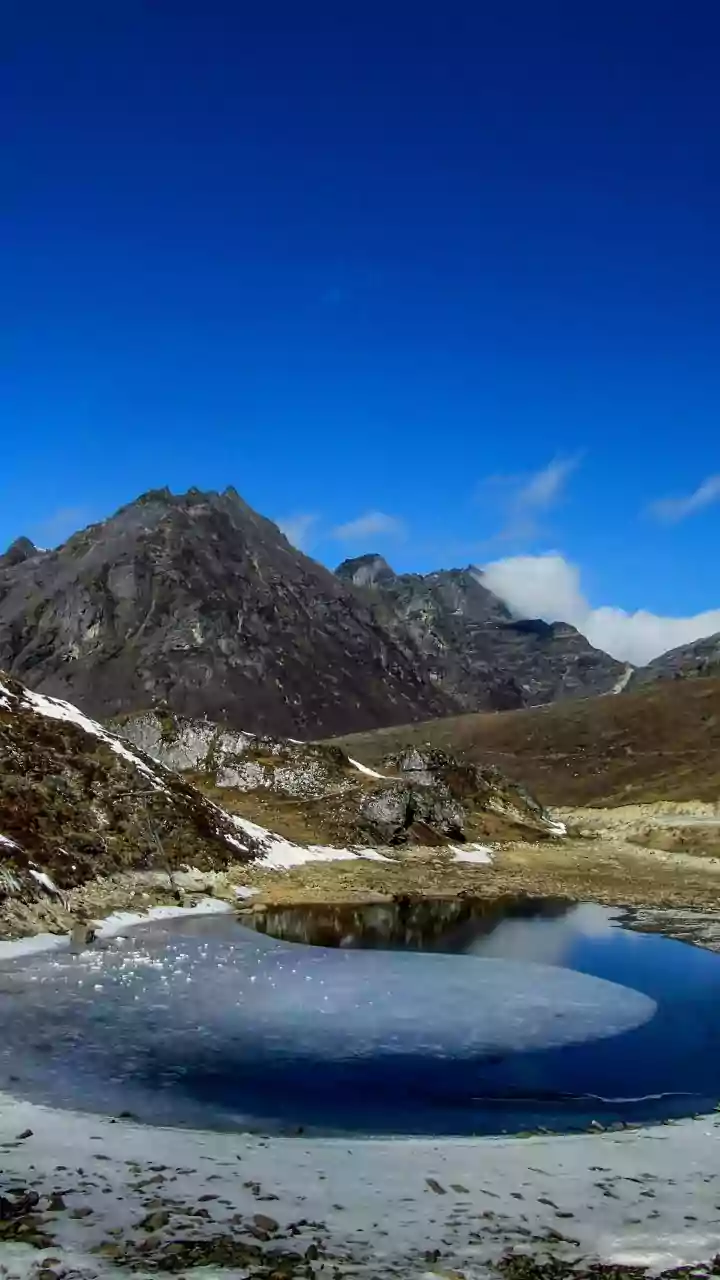
One of the highest lakes in the world, Gurudongmar Lake in Sikkim is situated at an altitude of over 17,000 feet. Considered sacred by both Buddhists and Sikhs, the lake is a place of stark, high-altitude beauty. In the extreme cold of winter, most of the lake freezes over, creating a solid, milky-white surface surrounded by barren, snow-dusted mountains. A small part of the lake is believed to remain unfrozen year-round, a phenomenon attributed to its spiritual significance. Visiting in winter is a challenging but rewarding journey, offering a glimpse of nature at its most raw and pristine.
Lake Misurina, Italy
Nestled in the heart of the Dolomites, Lake Misurina is known as the 'Pearl of the Dolomites'. At an altitude of 1,754 meters, it offers postcard-perfect scenery, reflecting the famous Tre Cime di Lavaredo peaks. In winter, the lake freezes over, transforming into a fairy-tale setting perfect for snowshoeing, cross-country skiing, or simply walking along its 2-kilometre perimeter trail. The crisp mountain air and the grandeur of the surrounding snow-covered peaks make it an invigorating and serene destination for winter lovers.
Lake Michigan, USA
As the only Great Lake located entirely within the United States, Lake Michigan offers a unique urban-meets-nature winter spectacle, especially along the Chicago shoreline. The lake rarely freezes over completely due to its size, but in frigid temperatures, its edges transform. Shelf ice creates vast, uneven plains that look deceptively solid, while 'sea smoke' rises when arctic air hits the warmer water. The sight of the frozen shoreline against the backdrop of Chicago's skyline is particularly striking, as are the lighthouses that become encased in sculptural layers of ice after winter storms.