


From Pilgrim Town to Digital Hub
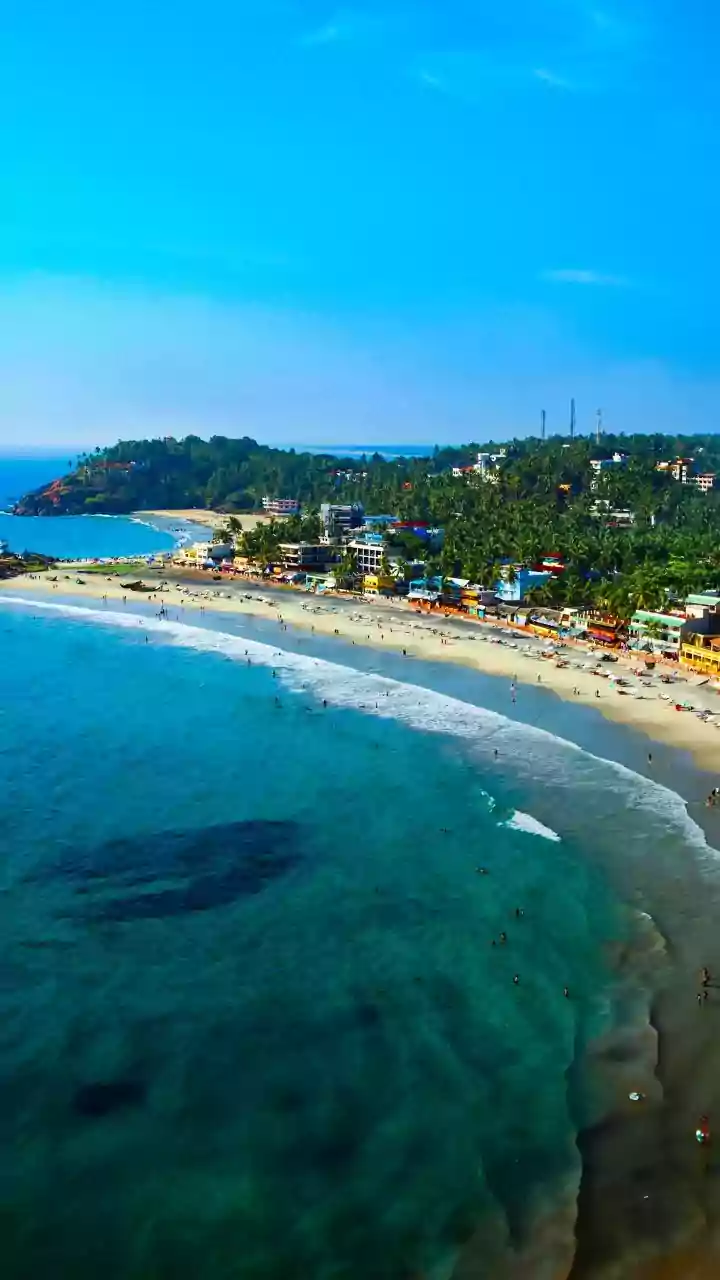
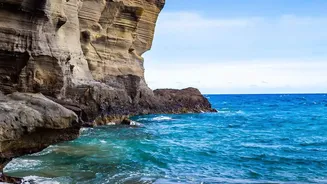
Varkala has long been cherished for its tranquil beaches and the ancient Janardanaswamy Temple, drawing pilgrims and soul-searchers alike. But a new kind of visitor has arrived: the digital nomad. Armed with laptops and a desire for work-life balance,
these remote workers are transforming the town's cliffside, once dotted only with guesthouses and Ayurvedic centres, into a buzzing hub for creative professionals. The town's laid-back atmosphere offers a welcome respite from the chaos of major cities, while a growing infrastructure of cafes and co-living spaces provides the necessary support for a productive workation.
The Rise of Cliffside Co-Living
The true game-changer in Varkala is the emergence of co-living spaces tailored for remote professionals. These aren't just rooms for rent; they are curated environments that foster connection and collaboration. Hostels and dedicated co-living brands offer packages that include not just accommodation but also access to shared workspaces with reliable Wi-Fi, power backup, and communal kitchens. This model addresses the key pain points of a nomadic life: isolation and unpredictable work conditions. By living and working alongside other writers, designers, developers, and artists, residents find a built-in community for brainstorming, skill-sharing, or simply sharing a sunset beer.
A Day in the Life of a Varkala Creator
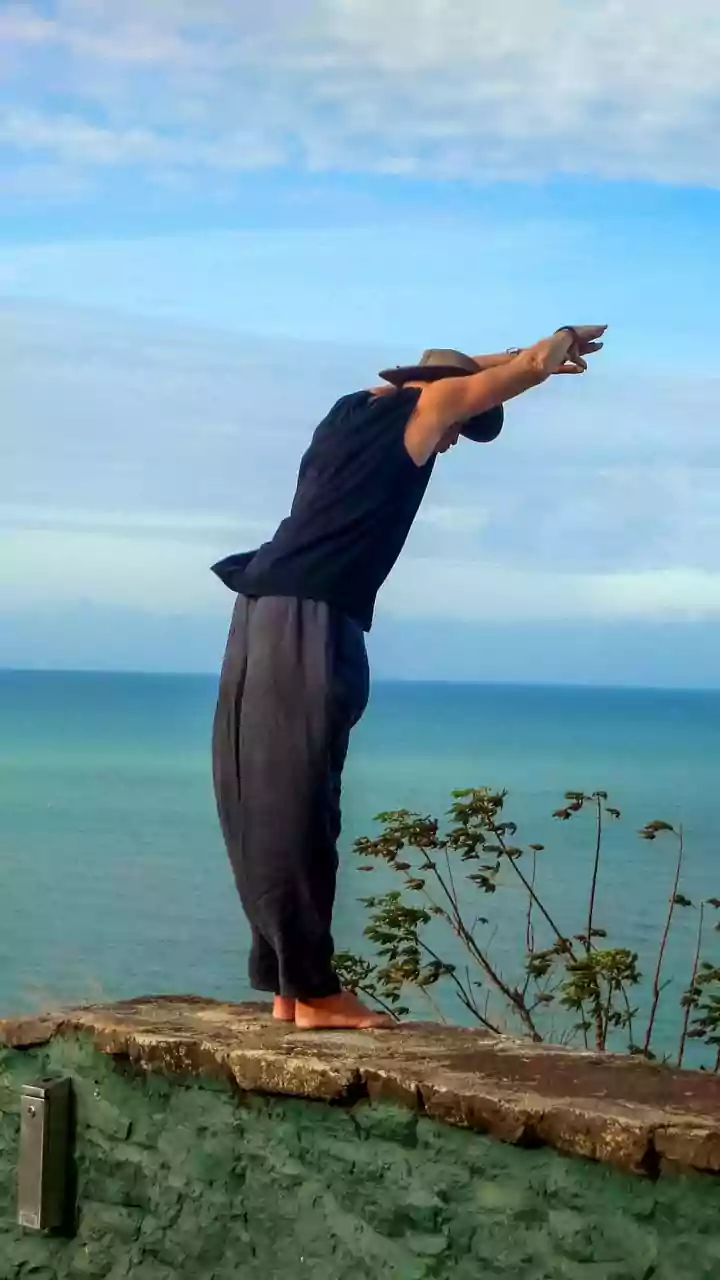
Imagine a day that starts not with a stressful commute, but with a yoga session overlooking the Arabian Sea. The morning is dedicated to deep work, fuelled by coffee from a local cafe with surprisingly robust internet. Lunch is a delicious and cheap Kerala meal for a couple of hundred rupees. The afternoon might involve a quick swim at Papanasam Beach to reset before the next work block. As evening approaches, the entire community gathers on the cliff to watch the spectacular sunset, a daily ritual that defines the Varkala experience. Evenings are for socialising at cliff-top restaurants or attending a skill-sharing workshop at a hostel. It’s a lifestyle designed around productivity and well-being in equal measure.
Making the Numbers Work on a Budget
The biggest draw for many is Varkala’s affordability. A comfortable but budget-conscious lifestyle is well within reach. A monthly budget can range from ₹30,000 to ₹60,000, depending on your choices. Long-stay private rooms in homestays or hostels can be found for ₹15,000-₹25,000 a month. Food costs can be kept low by eating at local eateries in Varkala town, just a short scooter ride from the more expensive cliff restaurants. While co-living spaces like Zostel offer dorm beds for as little as ₹500 a night, a private room provides more comfort for long-term stays. By planning ahead and living like a local, creators can make their savings last while enjoying a high quality of life.
The Reality Behind the Dream
While the lifestyle is idyllic, it's not without its challenges. The internet, while improving, can be inconsistent, with average speeds around 10-11 Mbps. Power outages can happen, making properties with good backup essential for uninterrupted work. The town is also quieter and less developed than larger nomad hubs like Goa, which can be a pro for some and a con for others. The key is to manage expectations. Varkala's appeal isn't in world-class infrastructure but in its unique blend of stunning natural beauty, spiritual calm, and a budding creative energy. It's a place for those who value sunsets over startup mixers and community over hyper-connectivity.