






Fortify Your Foundation: Floors and Walls
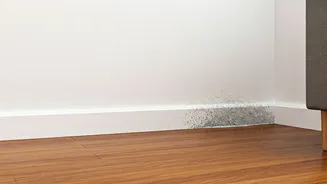
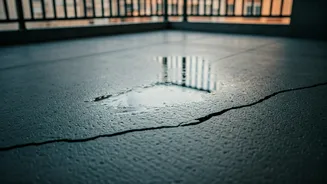
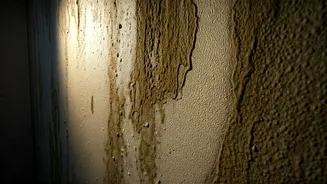
The first line of defence against monsoon damage is your balcony’s structure. Persistent dampness can cause paint to peel, encourage mould growth, and even lead to structural issues. Start by inspecting your floor and walls for any visible cracks. Even
small fissures can allow water to seep in, causing significant damage over time. Use a high-quality waterproof sealant or polyurethane caulk to fill these gaps thoroughly. For a more robust solution, consider applying a waterproofing coating to the floor and exterior walls. Options like cementitious coatings or liquid membranes create a seamless, durable barrier against moisture. These are best applied before the monsoon season begins to ensure they cure properly and provide maximum protection.
Choose Weather-Wise Furniture
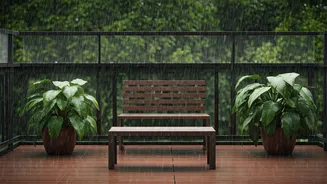
Not all outdoor furniture is created equal, especially in a rainy climate. Materials like untreated wood and natural wicker can absorb moisture, leading to rot, mould, and a shortened lifespan. Instead, opt for furniture made from materials that can withstand the elements. Powder-coated aluminum is an excellent choice as it is lightweight and naturally rust-proof. Teak is a durable wood that contains natural oils, making it highly resistant to water. Another great option is synthetic resin wicker, which mimics the look of natural wicker but is made from weather-resistant plastic fibres. If your furniture has cushions, ensure they are made from quick-dry or waterproof fabrics and store them indoors during heavy downpours to prevent mildew.
Shield Your Metalwork from Rust
Metal railings, grills, and decorative pieces are highly susceptible to rusting in the humid monsoon air. Rust not only looks unsightly but can also compromise the structural integrity of your railings. Before the rains arrive, inspect all metal surfaces for any signs of chipping paint or early rust spots. Clean the surfaces thoroughly with a mild detergent and water. For existing rust, gently scrub it off with a soft wire brush before it worsens. Apply a coat of rust-inhibiting metal primer followed by good-quality exterior metal paint. This creates a protective barrier that seals the metal from moisture and oxygen, the two key ingredients for rust. For long-term protection, consider options like powder coating or galvanisation, which offer a more durable finish.
Protect Your Potted Plants
While the monsoon is a boon for greenery, balcony plants need special care to prevent problems like waterlogging and root rot. The most crucial step is to ensure your pots have adequate drainage holes. Elevating pots on stands or bricks can also help excess water drain away freely. It's also wise to adjust your watering schedule; check the soil's moisture before adding more water, as the rain might be sufficient. High humidity can encourage fungal growth, so ensure there is good air circulation between your plants. Consider choosing plants that thrive in humid, rainy conditions. Species like hibiscus, marigold, snake plant, and periwinkle are well-suited for the Indian monsoon and will add a vibrant touch to your balcony.
Ensure Clear and Effective Drainage
One of the most overlooked aspects of balcony care is the drainage system. A clogged drain can cause water to pool on your balcony, creating a perfect environment for mosquito breeding and leading to water seeping into your home. Before and during the monsoon, make it a habit to regularly check and clear your balcony’s drainage outlets of leaves, dirt, and other debris. Ensuring the balcony floor has a slight slope towards the drain is also vital for preventing water stagnation. If you have a covered balcony, consider installing waterproof blinds made of PVC or bamboo to shield the area from slanting rain, keeping the space dry and more usable.