

Winter transforms familiar landscapes into something new and magical. When temperatures plummet, these ten lakes around the world freeze into spectacular natural works of art, offering some of the most striking snowy scenes imaginable.
Lake Baikal, Russia: The Pearl of Siberia
As the world's oldest
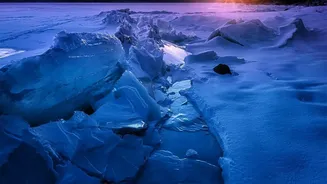
and deepest lake, Lake Baikal holds about 20% of the planet's unfrozen fresh water. In winter, it becomes a spectacle of clarity and colour. The ice grows up to two metres thick, strong enough to support vehicles, and is so transparent you can see up to 40 metres below the surface. Its most famous feature is the turquoise ice hummocks—shards of brilliant blue and green ice that form when the frozen surface cracks and refreezes, creating a landscape that looks like it's studded with giant gemstones.
Abraham Lake, Canada: A Methane Marvel
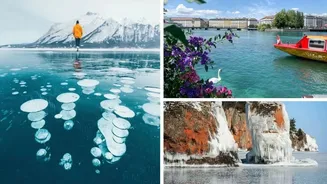
While many lakes freeze, Abraham Lake in Alberta offers a truly unique phenomenon: stacks of frozen bubbles trapped beneath its surface. These 'ice bubbles' are actually methane gas released by decomposing plants on the lakebed. As the gas rises, it gets caught in descending layers of ice, creating a visual effect that looks like a suspended stairway of white orbs. Strong winds in the valley frequently sweep the ice clear of snow, making it a world-renowned destination for photographers seeking this otherworldly sight.
Jökulsárlón, Iceland: Where Icebergs Meet the Sea
Jökulsárlón is not a typical lake but a glacial lagoon at the edge of the Vatnajökull glacier. Here, massive icebergs calve from the glacier and float slowly towards the ocean. In winter, the scene is a dramatic mix of white and blue ice against grey water and snow-covered landscapes. Many of these icebergs wash ashore on the adjacent black sand beach, known as Diamond Beach, where they glitter like jewels against the dark volcanic sand, creating a sharp and unforgettable contrast.
Lake Superior, USA/Canada: The Majestic Ice Caves
Along the Apostle Islands National Lakeshore in Wisconsin, the power of Lake Superior carves out sandstone sea caves during the summer. In the winter, under very specific and rare conditions, these caves transform into ethereal ice palaces. Water seeping through the rock and waves splashing against the cliffs freeze into massive curtains, columns, and delicate icicles. Accessing the caves requires a hike across the frozen lake, an event so rare that it has only been possible on 2% of days since the year 2000.
Lake Louise, Canada: A Fairytale Ice Rink
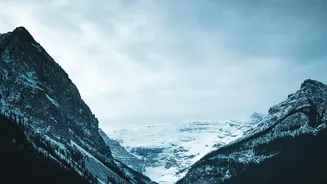
Nestled in Banff National Park, Lake Louise is famous for its stunning turquoise water, but its winter persona is just as enchanting. Surrounded by the snow-dusted Victoria Glacier and Rocky Mountains, the lake freezes solid and becomes one of the world's most scenic natural ice-skating rinks. Each winter, an intricate ice castle is carved on the lake, adding to the magical atmosphere. Visitors can skate, play hockey, or simply walk across the frozen surface, fully immersed in a quintessential Canadian winter wonderland.
Lake Bled, Slovenia: An Island in the Ice
Lake Bled looks like a scene from a storybook in any season, but winter adds a layer of quiet magic. With its iconic island church and a medieval castle perched on a cliff above, the landscape is incredibly picturesque when blanketed in snow. While the lake rarely freezes completely solid enough for skating due to thermal springs, its snow-lined shores and the traditional 'pletna' boats create a peaceful, frosty panorama. The 6km walk around the lake is a popular winter activity, offering serene views at every turn.
Lake Akan, Japan: Home of the Frost Flowers
On the northern island of Hokkaido, Lake Akan is the setting for a delicate and fleeting natural event. When conditions are perfect—temperatures below -15°C, no wind, and a snow-free ice surface—beautiful ice crystals known as 'frost flowers' bloom on the lake. These intricate formations are created from water vapour crystallising on the frozen surface, growing into shapes that resemble petals or feathers. They are extremely fragile and often disappear as soon as the sun rises or a breeze picks up, making them a miraculous sight.
St. Moritz Lake, Switzerland: Polo on a Frozen Playground
High in the Swiss Alps, St. Moritz transforms its namesake lake into a glamorous winter sports arena. Each January, the frozen lake hosts the Snow Polo World Cup, a high-goal tournament that has been a tradition since 1985. The sight of horses thundering across a field of snow against a backdrop of alpine peaks is both thrilling and surreal. Beyond polo, the lake becomes a hub of activity, where the blend of high-society glamour and rugged natural beauty defines the unique culture of St. Moritz in winter.
Lake Michigan, USA: Urban Ice Formations
As one of the five Great Lakes of North America, Lake Michigan's vastness creates dramatic winter scenes along its shoreline, especially near cities like Chicago. The water freezes into massive, otherworldly ice shelves and formations. In some conditions, waves interacting with the ice can create 'ice volcanoes', conical mounds that erupt with water spray. The sheer scale of the ice, piled up against the urban skyline, offers a powerful reminder of nature's force.
Lake Plansee, Austria: An Alpine Jewel
Located in the Tyrolean Alps, Lake Plansee is the second largest lake in Tyrol and is known for its exceptional water quality. In winter, this fjord-like lake, surrounded by snow-covered mountains, becomes a quiet haven. While it's a popular spot for summer activities, its winter landscape offers serene beauty, with reflections of the frosty peaks on any unfrozen parts of the water. It's a prime destination for winter hiking and photography, embodying the peaceful, crisp atmosphere of the Austrian Alps.