








The New Reality: Why Caution is Key
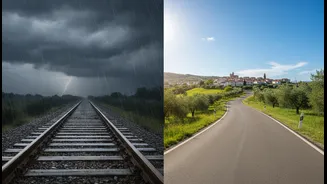
The 2026 monsoon season has been particularly active, with the India Meteorological Department (IMD) issuing a series of red and orange alerts across the country. States like Maharashtra, Himachal Pradesh, Kerala, and Karnataka have seen extremely heavy
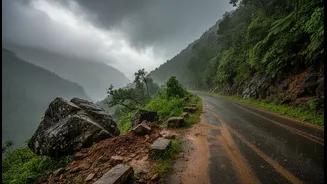
rainfall, leading to significant disruptions. In Maharashtra, popular hill stations in the Western Ghats, including Lonavala and Matheran, have been put on red alert due to landslide threats. Major transport routes like the Mumbai-Pune Expressway and highways in the ghats have faced closures due to landslides and waterlogging. Similarly, heavy rains in Himachal Pradesh have caused flash floods and blocked roads in districts like Shimla, Kangra, and Kullu, making travel hazardous. These incidents are not isolated; they represent a pattern of intensified weather that requires travellers to be more vigilant than ever.
Your Pre-Trip Destination Check
Before you even pack your bags, the first step is a thorough check of your chosen destination. Start with the IMD website for district-wise weather warnings. Pay close attention to colour-coded alerts: a 'Red Alert' signifies a need to take action and potentially cancel plans, while an 'Orange Alert' means be prepared for severe weather. Local authorities in affected regions are also issuing specific advisories. For instance, access to waterfalls and trekking trails in places like Coorg, Chikkamagaluru, and near Pune has been restricted for safety. The Thane district administration has banned entry to all tourist spots, including forts and waterfalls. Always check official social media handles of the district police and forest departments, as they provide real-time updates on road closures and restricted zones. If you’re heading to the hills, verify that trekking routes are officially open, as many are closed to prevent accidents.
Mapping a Safer Route
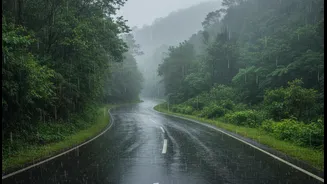
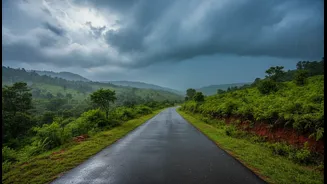
Your route is as important as your destination. Heavy rains have made many roads, especially in ghat sections, extremely dangerous. Landslides have been reported on the Mumbai-Goa Highway, Mumbai-Nashik Highway, and the Gangotri Highway in Uttarakhand. Authorities have been forced to close entire stretches like the Tamhini Ghat near Pune. When planning your drive, use navigation apps with live traffic updates to spot diversions and blockages. However, don't rely on them blindly; they might suggest unexplored rural roads that are mucky and unsafe for passage during heavy rain. Stick to national highways and major roads where possible. Crucially, avoid driving at night. Poor visibility in fog and heavy rain, combined with the risk of unseen potholes or fallen trees, makes night travel exceptionally risky. Plan your journey to reach your destination well before sunset.
The Essential Vehicle and Gear Checklist
A well-prepared vehicle is your first line of defence. Before starting your trip, ensure your car's brakes, tyres, and windscreen wipers are in perfect condition. Worn-out wipers can be a major hazard in a downpour, and good tyre tread is essential for grip on slippery roads. Keep your headlights on low beam for visibility, even during the day. Your travel kit should also be monsoon-ready. Pack a powerful, fully-charged power bank, as power cuts are common. Keep a first-aid kit, essential medicines, drinking water, and some snacks. Waterproof bags are a must for protecting your electronic devices and important documents. And it might sound simple, but the right footwear with a strong grip can prevent nasty falls on wet, slippery surfaces.
On-the-Road Smart Sense
Once you are on your way, stay alert. Never drive through heavily waterlogged streets; the water can hide deep potholes or open drains and stall your vehicle. If you're in the hills, be extremely cautious about where you stop. Avoid parking your car or taking breaks near steep slopes or rocky edges, as these are vulnerable to landslides. If visibility drops drastically during a heavy spell, the safest thing to do is pull over to a safe spot away from traffic and wait for the rain to subside. Always follow instructions from traffic police and respect warning signs posted by local authorities. Finally, keep emergency helpline numbers (like 112 for national emergency and 1070/1077 for state disaster management) saved in your phone.