



The Making of a Prodigy
Born in 2011 in Samastipur, Bihar, Vaibhav Sooryavanshi's journey is one of immense dedication. His father, Sanjiv, a former aspiring cricketer himself, nurtured his son's talent from the age of four. The family's commitment was extraordinary, involving
regular 100km trips for specialised coaching in Patna. This relentless effort paid off when Sooryavanshi made his Ranji Trophy debut for Bihar against Mumbai in January 2024. At just 12 years and 284 days old, he became the fourth-youngest first-class cricketer in Indian history, immediately drawing comparisons to legends who also started young. His name was etched into the record books before he was even a teenager, setting the stage for a career followed with intense scrutiny and hope.
An Unorthodox, Aggressive Technique
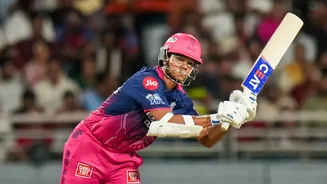
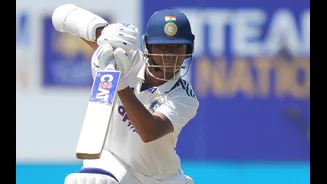
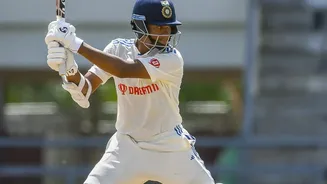
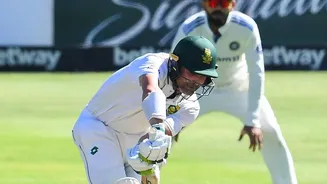
Sooryavanshi is a left-handed batter whose style is anything but conventional. He has been noted for his aggressive, power-hitting approach, often looking to dominate bowlers. Coaches and analysts point to his unique mechanics, including an open stance, a high backlift reminiscent of Brian Lara (whom he cites as an inspiration), and phenomenal hand-eye coordination. This allows him to generate immense power, particularly with his signature pull and hook shots. His technique is built for the modern, fast-paced game, which he proved by becoming the youngest centurion in IPL history during a breakout season with Rajasthan Royals. However, this aggression and unorthodox grip can also present challenges, particularly against high-quality pace bowling directed away from his body.
The Double-Edged Sword of T20 Success
Sooryavanshi’s success in T20 formats, including a sensational IPL run and a T20I debut for India at 15, has been spectacular. He plays without fear, a quality highlighted by his coaches, who note he focuses on the ball, not the bowler's reputation. This mindset is perfect for the short format, where quick scoring is paramount. However, the very skills that make him a T20 dynamo could be hurdles in Test cricket. The longest format demands a different kind of resilience, a robust defensive technique, and the patience to leave balls outside the off-stump for hours. While his coach believes he can adapt, pointing to Virender Sehwag as an example of a player who succeeded with an aggressive style, the transition is a significant challenge for any player groomed in the T20 era.
Lessons from Prodigies Past
Indian cricket has a rich history of teenage prodigies. The benchmark, of course, is Sachin Tendulkar, who made his Test debut at 16 and built a legendary career on a foundation of flawless technique and supreme mental strength. But for every Tendulkar, there are cautionary tales. The pressure of expectation, the physical toll, and the mental grind of international cricket can be overwhelming. Players who achieve fame at a young age face immense scrutiny and the challenge of constantly evolving their game as opponents identify weaknesses. Success for Sooryavanshi will depend not just on his talent, but on his ability to manage these external pressures and maintain a relentless desire for improvement, much like the legends before him.
The Verdict: A Test of Patience
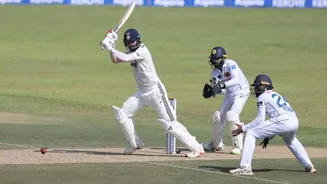
So, can Vaibhav Sooryavanshi succeed in Test cricket? The raw talent is undeniable. His power, confidence, and proven ability to score big are rare gifts. Yet, Test cricket is the ultimate examination of a batter's craft and character. It exposes technical flaws and mental frailties that shorter formats can mask. For Sooryavanshi, the path to a successful Test career will involve tempering his natural aggression with strategic patience. He will need to develop a more robust defence and the shot selection to navigate tricky periods against the world's best bowlers. His first-class record so far is modest, with a high score of 93, indicating that the transition to the red-ball game is still a work in progress. He has the potential to be a generational player in all formats, but his success in the white flannels will be a marathon, not a sprint.