






The Invisible Threat in City Air
We all see the haze blanketing our metro cities, but the most dangerous threat is invisible. This threat comes in the form of micro-particulates, specifically something called PM2.5. These are incredibly tiny particles, less than 2.5 micrometres in diameter—about
30 times smaller than a single human hair. They come from vehicle exhaust, industrial emissions, construction dust, and burning waste. Because they are so small and light, they hang in the air for long periods and can be inhaled deep into our bodies. While we've known for years that this is bad for our lungs and hearts, a growing body of evidence shows these particles are also launching a silent assault on our brains.
A Direct Pathway to the Brain
How can something you breathe in affect your brain? Researchers have identified two primary and alarming pathways. Firstly, these tiny particles are small enough to pass from the lungs into the bloodstream. Once in circulation, they can travel throughout the body and cross the blood-brain barrier—a protective membrane meant to keep harmful substances out. A second, even more direct route is through the olfactory nerve in our nose. Particles can travel from the nasal passage straight into the brain, completely bypassing the blood-brain barrier. This gives pollutants a direct entry point to the central command centre of your body.
Triggering Inflammation in the Brain
Once these foreign particles are in the brain, the body's immune system treats them as invaders. This triggers a defensive response called neuroinflammation. Think of it as a state of constant, low-grade irritation within the brain tissue. Specialised immune cells in the brain, called microglia, become activated. While this is a normal protective function, chronic exposure to pollution means this inflammatory state never truly turns off. This persistent inflammation is at the heart of how pollution affects our mental state. It's not a one-time infection the body clears; it's a sustained siege that wears down the brain's resources and alters its delicate chemical balance.
The Link to Fatigue and Brain Fog
This state of neuroinflammation disrupts the brain's normal functioning in several ways that directly contribute to feeling tired and unfocused. The inflammatory process consumes significant cellular energy, effectively draining the brain's battery. Furthermore, inflammation can interfere with neurotransmitters—the chemical messengers responsible for mood, concentration, and alertness. It disrupts the efficient communication between neurons, leading to that familiar feeling of 'brain fog', where thinking feels slow and difficult. Studies have shown that even short-term exposure to particulate matter can impact a person's ability to concentrate and avoid distractions. Over time, this chronic mental fatigue can degrade daily performance and overall quality of life.
What You Can Do About It
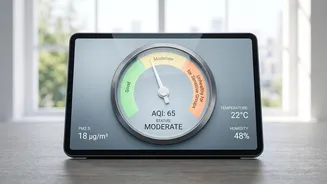
While we cannot single-handedly change the city's air quality, we can take steps to reduce our personal exposure. Pay attention to daily Air Quality Index (AQI) reports and consider limiting strenuous outdoor activity on days with particularly high pollution. Wearing a well-fitted N95 or similar high-filtration mask when outdoors on polluted days can significantly reduce the number of particles you inhale. At home or in the office, using a high-efficiency particulate air (HEPA) filter can help create a clean air sanctuary, especially in the rooms where you spend the most time, like the bedroom. These measures can help lower your daily exposure load and give your body and brain a chance to recover.