







The New Green Feed
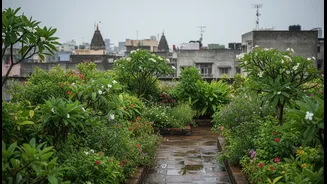
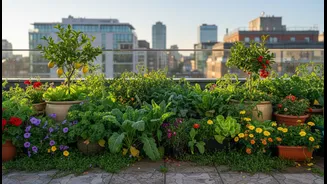
The most visible sign of the terrace garden trend is its takeover of our digital lives. Platforms like Instagram and Pinterest are blooming with hashtags like #terracegarden and #urbangardening, showcasing verdant rooftop escapes in bustling cities like Mumbai,
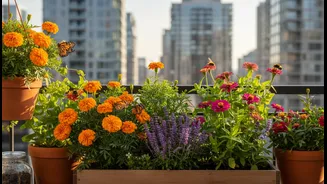
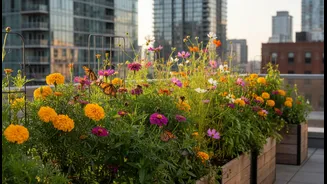
Delhi, and Bengaluru. This isn't just about pretty pictures; it's a visual dialogue. A new leaf on a money plant, the first tiny tomato, or a balcony full of marigolds becomes content to be shared, liked, and commented on. Content creators focusing on home gardening are gaining massive followings, offering tips on everything from composting to pest control. This online buzz creates a powerful cycle: people see beautiful green spaces online, get inspired to create their own, and then share their journey, encouraging others to join in. It has transformed a solitary hobby into a shared, digital-first experience.
More Than Just Decor
While the aesthetic appeal is undeniable, the roots of this trend run much deeper. For many urban dwellers, a terrace garden is a direct response to the stresses of city life. In concrete jungles with shrinking public green spaces, a personal garden offers a much-needed patch of nature. Scientific studies have shown that gardening is a form of 'green therapy', proven to reduce stress, lower anxiety, and improve overall mood. The simple, mindful acts of watering, pruning, and observing plant growth can be meditative, providing a welcome distraction from a fast-paced, screen-dominated world. The pandemic, in particular, encouraged many to see their homes as sanctuaries, sparking a desire to cultivate joy and life within their own walls and on their own rooftops.
The Urban Jungle Starter Pack
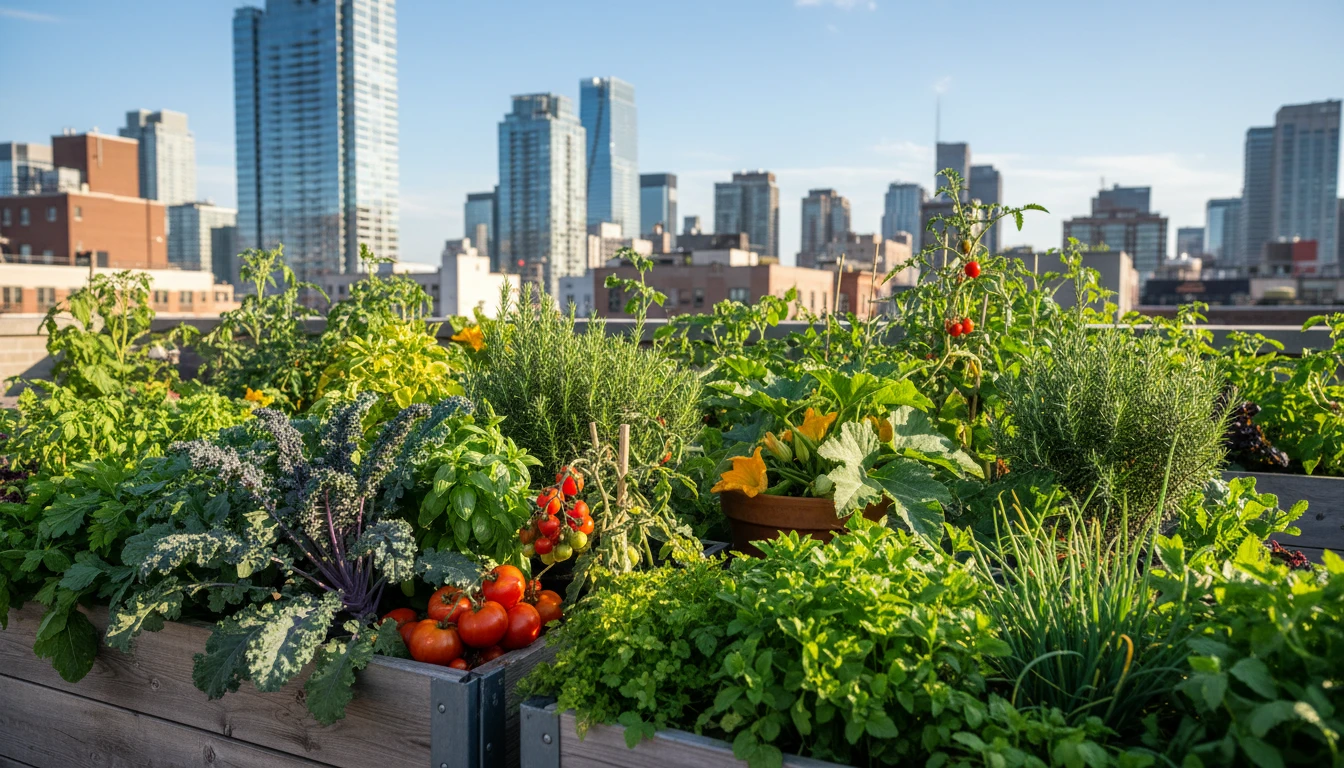
Joining the terrace plant group chat is easier than you might think. You don’t need a huge space or a 'green thumb' to begin. The key is to start small and choose hardy plants that are forgiving to beginners. For Indian climates, there is a wide variety of plants that thrive on sunny balconies and terraces. Start with easy-to-grow essentials like Tulsi (Holy Basil), Aloe Vera, Marigold, and Money Plant. If you have a spot with at least 4-6 hours of sun, you can even try your hand at growing your own food, like tomatoes, chillies, spinach, and mint. Instead of heavy pots, consider using lightweight grow bags and a potting mix made of coco peat and compost to avoid putting too much weight on your terrace. The initial setup can be done on a budget, and the rewards are well worth the effort.
Finding Your Plant Parent Community
True to the headline, the best part of this trend is the community around it. The 'group chat' is both digital and real. Online forums and dedicated Facebook groups for Indian gardeners are bustling with activity, where novices can ask questions and experts can share knowledge. Need to know why your hibiscus leaves are yellowing or how to deal with mealybugs? A quick post will likely yield dozens of helpful, experience-led answers. Beyond the internet, local nurseries and gardening workshops are becoming community hubs. This collective spirit makes gardening less intimidating. It’s a space where you can celebrate the victory of a new bloom and get advice when a plant is struggling. This sense of shared passion and mutual support is what truly sustains the movement, turning individual plant parents into a thriving, connected ecosystem.