





The Classics That Define Celebration
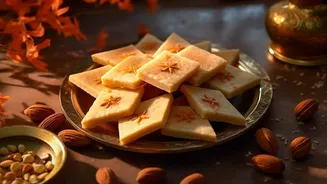
For centuries, Diwali has been synonymous with a vibrant platter of traditional sweets, each telling a story of region and ritual. Classics like Besan Ladoos, rich nutty orbs of roasted gram flour, and Kaju Katli, a luxurious cashew fudge often adorned
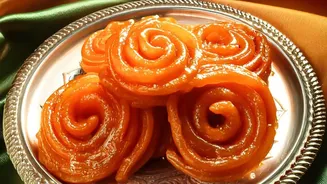
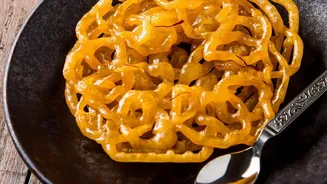
with silver leaf, are non-negotiable for many families. From the syrupy indulgence of Gulab Jamun, deep-fried milk solids soaked in fragrant syrup, to the crispy, coiled sweetness of Jalebi, these treats are central to the act of 'badhaai' (wishes) and sharing. Regional specialities such as flaky Gujiya pastries from the North, Maharashtrian Anarsa, and Bengal's delicate Sandesh showcase the incredible diversity of Indian confectionery. These sweets, perfected over generations in temple and family kitchens, are more than just dessert; they are edible symbols of goodwill and abundance exchanged with loved ones.
A Appetite for Change
In recent years, the classic Diwali sweet spread has been getting a makeover. This change is driven by several factors, chief among them a growing health consciousness. Many now seek out treats with less refined sugar and ghee, leading to a rise in sweets made with natural sweeteners like jaggery and dates, or whole grains like millets and oats. The result is healthier, 'guilt-free' options like multigrain ladoos and baked-not-fried gujiyas. Globalisation has also played a huge role. As palates become more adventurous, there's a growing curiosity for new textures and flavours, inspired by Western desserts and international trends seen on social media. The once-predictable mithai box is now an exciting landscape of innovation.
The Rise of the Fusion Mithai
The most exciting part of this evolution is the birth of 'fusion mithai'. This trend balances the comfort of the familiar with the thrill of the new. Think of a Motichoor Ladoo, but its crumbly texture is layered into a creamy cheesecake. Or consider the soft, milky sweetness of Gulab Jamun nestled inside a rich cheesecake cup. Pastry chefs and home bakers are infusing Western dessert techniques with Indian flavours, creating marvels like Rasmalai Tres Leches cake, Tiramisu Sandesh, and Thandai-spiced mousse. Chocolate has become a popular addition, with everything from barfis to kaju katlis getting a dark chocolate coating. These creations are visually stunning, offering new formats and textures that are perfect for modern celebrations and social media sharing.
Home Bakers and a Digital Halwai
This sweet revolution is not just happening in large commercial kitchens. A significant force behind this trend is the rise of home bakers and boutique sweet makers. Fuelled by passion and promoted through social media platforms like Instagram, these entrepreneurs are finding an eager market for their unique and customised creations. The pandemic further accelerated this trend, as consumers sought treats from trusted, hygienic home kitchens. Online platforms and food delivery apps have made it easier than ever to discover and order these modern mithais, effectively creating a digital marketplace that rivals the traditional neighbourhood halwai. Influencers and food bloggers also play a key role, setting trends and introducing audiences to novel dessert ideas that blend tradition with a contemporary edge.