


A Forest Floor Comes Alive
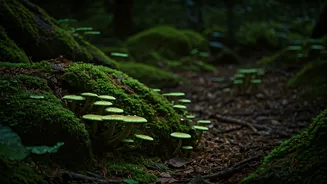
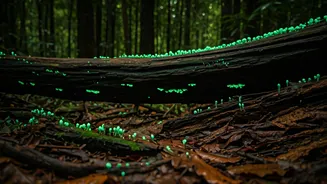
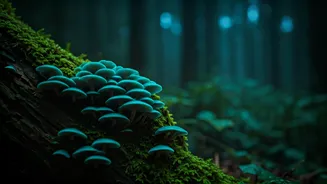
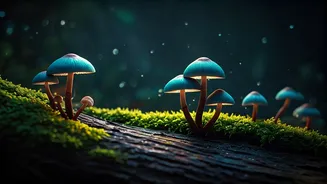
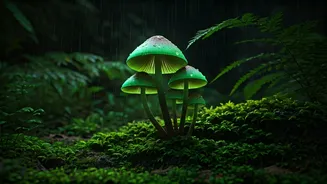
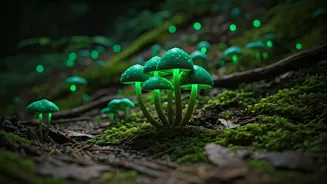
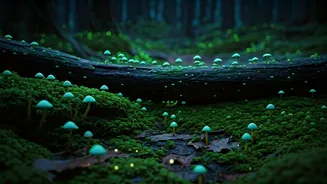
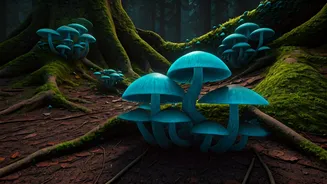
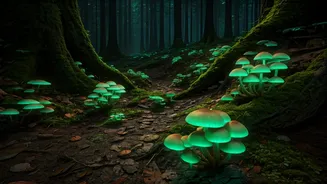
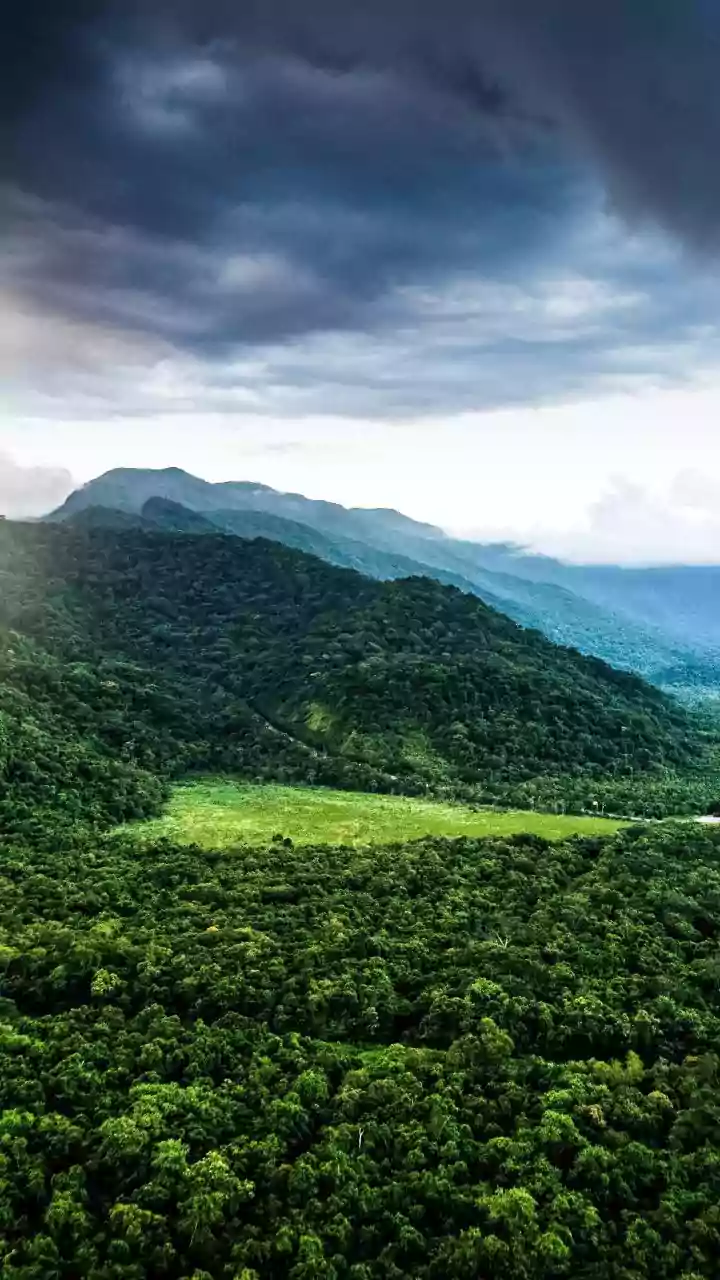
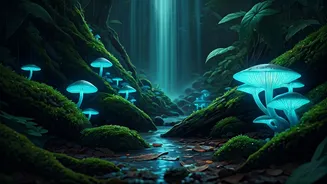
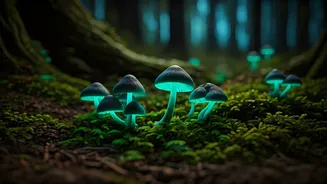
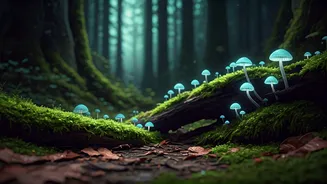
As the monsoon rains drench the Western Ghats, something extraordinary happens under the cover of darkness. In select pockets of dense forest, the ground, decaying logs, and twigs begin to emit a soft, greenish-blue luminescence. This otherworldly glow
comes from tiny, moisture-loving fungi, creating a spectacle that feels straight out of a fairy tale. For trekkers and nature lovers, these late-night walks offer a chance to witness a phenomenon that transforms a familiar landscape into an alien world. The silence of the night, punctuated by the chirping of crickets and the croaking of frogs, is made magical by a carpet of natural light.
The Science of Nature's Lanterns
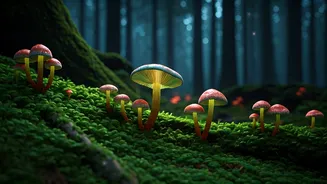
This ethereal light is a biological process known as bioluminescence, the same phenomenon that makes fireflies glow. The mushrooms responsible, primarily from the *Mycena* genus, produce this light through a chemical reaction. An enzyme called luciferase acts on a pigment called luciferin, releasing energy in the form of cool light. Scientists are still debating the exact purpose of this glow. Some theories suggest it helps attract insects that can spread the mushroom's spores, while others propose it may act as a warning to deter nocturnal animals from eating them. Whatever the reason, the effect is a silent, breathtaking light show powered entirely by nature.
Where to Witness the Magic
This phenomenon is most prominent in the forests of the Western Ghats, particularly during the peak monsoon months from June to October. One of the most famous locations is the Mhadei Wildlife Sanctuary in Goa, where the damp forest floor becomes a canvas for these glowing fungi. Another key destination is the Bhimashankar Wildlife Sanctuary in Maharashtra, near Pune. Here, guided night trails often lead visitors to patches of forest where the bioluminescent display is particularly strong. Smaller pockets of this activity have also been reported in the forests of the Anamalai Tiger Reserve in Tamil Nadu and in parts of Karnataka. The key ingredients are always the same: heavy rainfall, decaying organic matter, and deep darkness.
Planning Your Glowing Expedition
To see the glowing mushrooms, timing and preparation are everything. The best time to go is during a dark, moonless night in the middle of the monsoon season, as the ambient light from the moon can easily wash out the delicate glow. It is highly recommended to go with a local guide or as part of an organized trek. They know the precise locations where the fungi grow and can navigate the tricky forest trails safely at night. Wear waterproof clothing and sturdy, non-slip footwear suitable for wet and muddy conditions. While you'll need a torch for walking, use it sparingly. To best appreciate the glow, allow your eyes at least 10-15 minutes to adjust to the complete darkness. Some guides recommend using a red filter on your torch, as red light is less disruptive to your night vision.
More Than Just Mushrooms
A night walk in a bio-reserve is an immersive sensory experience that goes beyond the visual spectacle of the mushrooms. It’s a chance to engage with the forest in a completely different way. The air is cool and thick with the smell of wet earth. The soundtrack is a symphony of nocturnal creatures—insects, frogs, and occasionally, the distant call of an owl. You are stepping into an ecosystem that truly comes alive after sundown. The glowing mushrooms are the star attraction, but the entire experience is a powerful reminder of the hidden wonders and delicate cycles of the natural world, operating on a schedule entirely separate from our own.