



The Millet Renaissance in Indian Kitchens
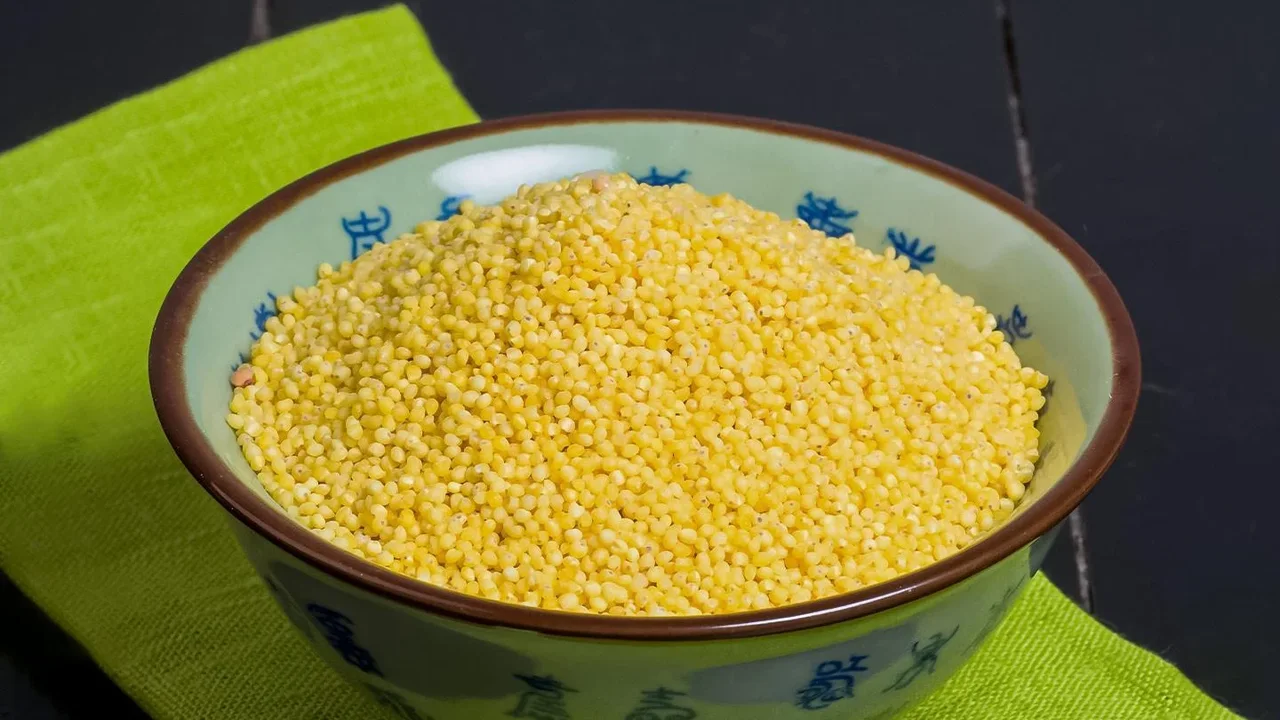
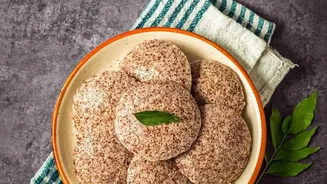
Millets are making a major comeback, and for good reason. These small but mighty grains, once a staple of Indian diets, are being celebrated again for their impressive nutritional profile. Packed with dietary fiber, protein, and essential minerals like
magnesium and iron, millets are a fantastic addition to a healthy lifestyle. Their high fiber content aids digestion and promotes a feeling of fullness, which can help manage weight. Furthermore, many millets have a low glycemic index, making them a suitable choice for those looking to maintain stable blood sugar levels. As more people seek alternatives to refined wheat flour, local millets offer a naturally gluten-free option that connects us back to our culinary roots.
Choosing Your Millet Flour
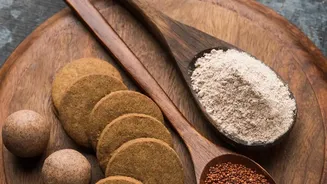
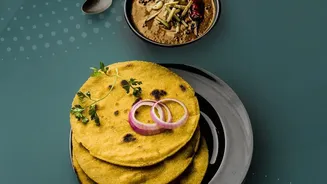
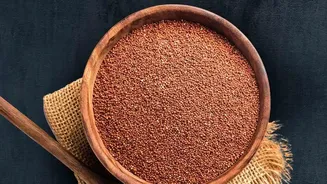
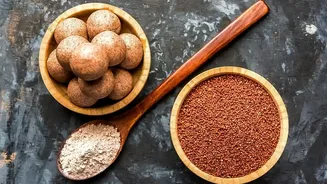
Stepping into the world of millet baking begins with choosing the right flour. Indian markets offer a wonderful variety, each with a unique character. Some popular choices include: Jowar (Sorghum) flour, which is light with a mild, slightly sweet taste, making it a great starting point for beginners. Bajra (Pearl Millet) flour has a richer, earthy flavour and is known for its warming properties, making it a winter favourite. Ragi (Finger Millet) flour is a nutritional powerhouse, famously high in calcium, with a distinct nutty taste and a deep brown colour. For your first few loaves, it's wise to start with a blend. Combining millet flour with another gluten-free flour or even a small amount of whole wheat flour (if gluten is not a concern) can yield a softer, more familiar texture as you get used to its properties.
Mastering the Gluten-Free Dough
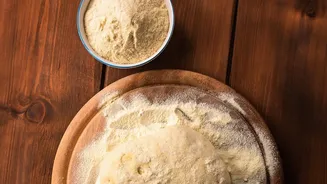
The biggest challenge when baking with 100% millet flour is the absence of gluten, the protein that gives wheat bread its classic stretchy and airy structure. Without gluten, millet doughs are more like a thick batter or a sticky ball than a traditional elastic dough. To overcome this, binders are essential. Psyllium husk (isabgol) is a popular and effective choice; when mixed with water, it forms a gel that mimics gluten's binding properties, providing structure and moisture to the loaf. Ground flaxseed mixed with water (a 'flax egg') can also be used. Remember that millet flours are thirsty and absorb a lot of liquid, so your dough will need to be wetter than you might expect. Don't be afraid of a sticky texture – this is key to a moist, not crumbly, finished bread.
Tips for a Perfect Millet Loaf
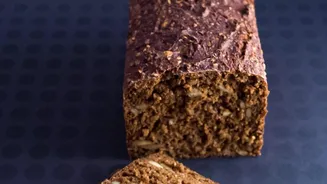
Baking with millets is a rewarding craft that improves with practice. Keep these tips in mind for better results. First, accurate measurement is crucial. Use a kitchen scale if possible. When starting out, don't substitute more than 25-30% of the total flour in a conventional recipe with millet flour. Second, hydration is key. Always let your batter or dough rest for about 10-15 minutes before baking. This allows the flour and psyllium husk to fully absorb the water, which improves the final texture. Third, manage your expectations for the rise. A pure millet loaf will be denser and will not rise as dramatically as a wheat loaf. Finally, allow the bread to cool completely on a wire rack before slicing. Slicing into a warm gluten-free loaf can result in a gummy texture, so patience is essential for the perfect slice.